


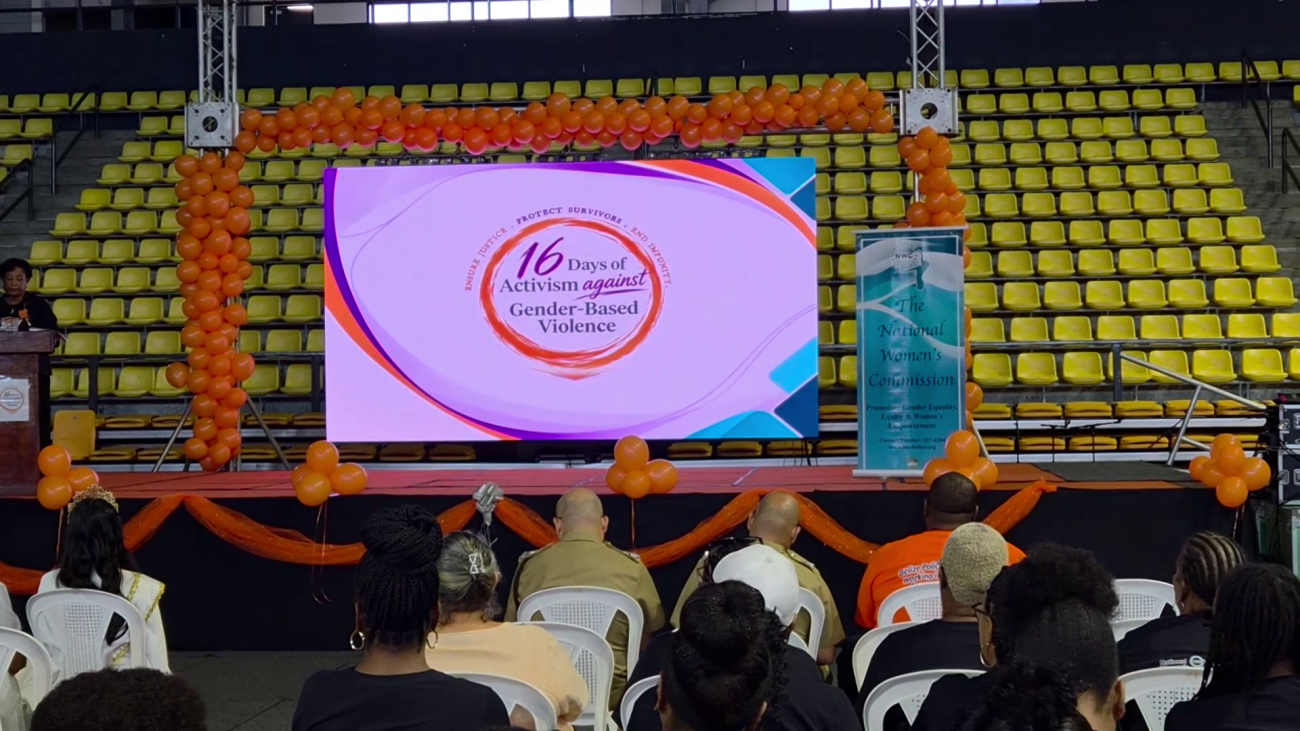
16 Days of Activism Begins With a Challenge: Stop Asking Why Survivors Stay
Behind closed doors, many women and girls in Belize are living with violence and wondering whether anyone will help. Today marks the start of the 16 Days of Activism Against Gender-Based Violence, a campaign that puts the focus on survivors and the support they need. This year it also draws attention to sexual harassment at work, and the new law, the Anti-Sexual Harassment Act 2024, that says employers have a part to play in stopping it. Luis Mattu reports.
 Luis Mattu, Reporting
For someone experiencing gender-based violence, deciding to seek help can be one of the most difficult decisions they face.
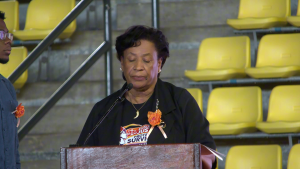
Margaret Nicholas
Margaret Nicholas, Former Director, Belize Family Court
“She may fear for her safety and that of her children. She depend financially on the perpetrator. She may have nowhere else to live, and she may fear embarrassment, rejection, or blame by her own family or community.”
Former Director of the Belize Family Court Margaret Nicholas says the focus should not be on questioning why survivors stay.
 Margaret Nicholas
“So rather than asking why, perhaps we should be asking what protections and service have we made available to help her become safe? Protection must therefore extend beyond the courtroom.”
One area where institutions are expected to provide stronger protection is sexual harassment. The Anti-Sexual Harassment Act 2024 recognizes sexual harassment as a form of discrimination and places responsibility on employers and those in charge of institutions to take steps to prevent it.

Jared Coleman
Jared Coleman, Programme Officer, National Women’s Commission
“This is not simply about having a policy for the sake of having one. It is now about creating environments where people feel safe, where complaints are taken seriously, and where individuals know that there are procedures in place to protect them.”
Programme Officer for the National Women’s Commission Jared Coleman says it will work with workplaces, schools and other institutions to establish written policies and ensure they are understood and put into practice.
 Jared Coleman
“In simple terms, having a policy is no longer something that would be nice to have. It is now a legal requirement.”
Law enforcement also has a role in ensuring survivors can access support and justice. Commissioner of Police Dr. Richard Rosado says addressing gender-based violence requires cooperation between the police and other stakeholders.
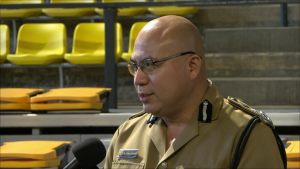
Richard Rosado
Dr. Richard Rosado, Commissioner of Police
“My message to survivors and victims is that the police department, our stakeholders, are here to provide them the necessary support that they need and to provide them and guide them through the necessary process in order for them to receive the justice that they deserve.”
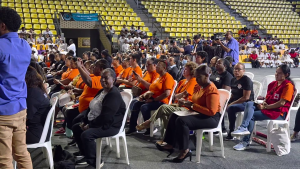
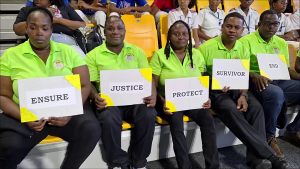
As the 16 Days of Activism gets underway, the message is that survivors need more than encouragement to speak out. They need protection, access to support and institutions that respond when they seek help. Luis Mattu for News Five.
Attention readers: This online newscast is a direct transcript of our evening television broadcast. When speakers use Kriol, we have carefully rendered their words using a standard spelling system.
Watch the full newscast here: