


UNICEF Supports Climate Study on Belizean Children
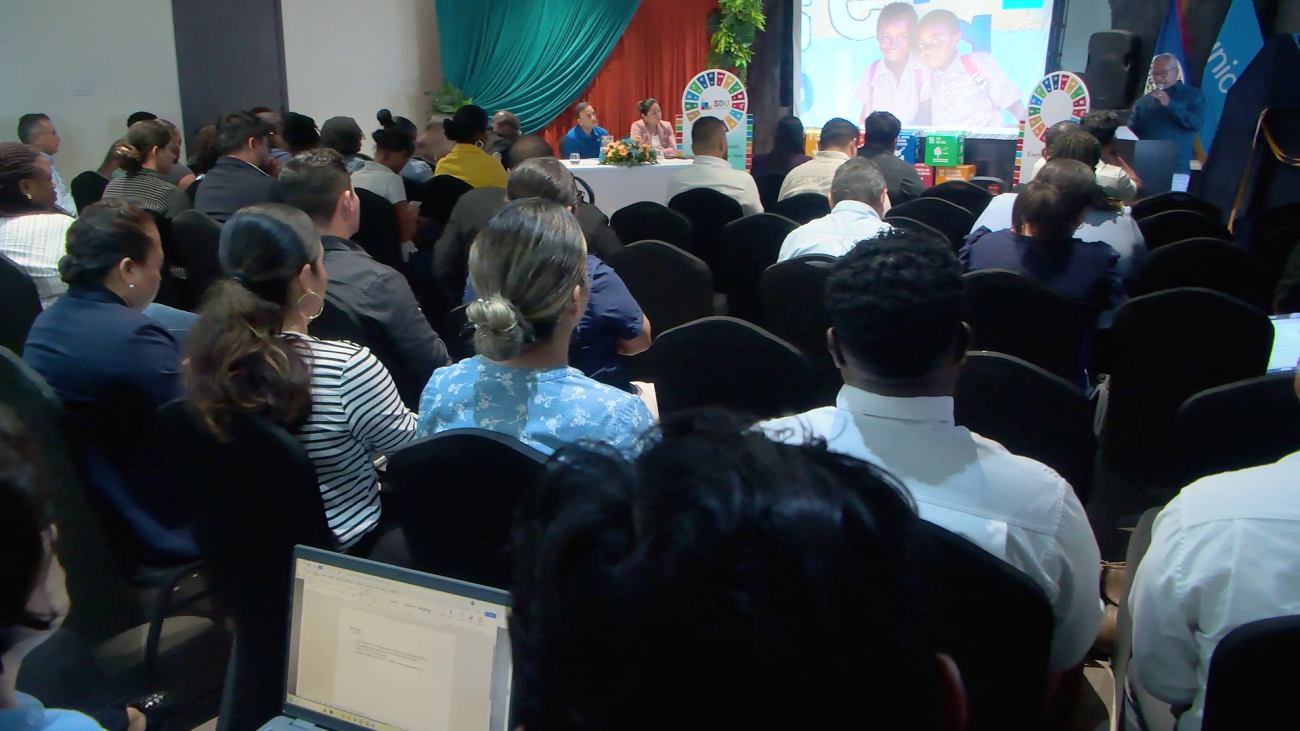
Climate change is not just an environmental issue. For Belize’s children, it can mean flooded classrooms, hotter school days and communities struggling through longer droughts. Now, with support from UNICEF, Belize is taking a closer look at how climate change affects its youngest and most vulnerable citizens. The goal is to make sure future climate policies do more than protect the environment, they must also protect the children most at risk. Shane Williams reports.
 Shane Williams, Reporting
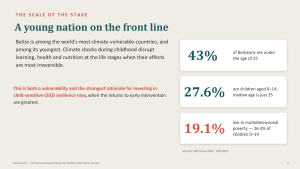
In May, we saw schools across the country coming up with creative ways to “Beat the Heat” as soaring temperatures created significant challenges for students inside the classrooms. Now Belize is putting children at the center of its climate response. Through a partnership between the Sustainable Development Unit and UNICEF, the country is developing a Climate Landscape Analysis to examine how climate change affects children, persons with disabilities, pregnant and lactating women and Indigenous communities, with the goal of shaping policies that respond to their specific needs.
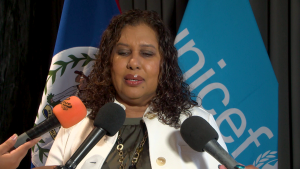
Elizabeth Emmanuel
Elizabeth Emmanuel, Project Consultant, CLAC
“You find that children in communities that may are vulnerable or the poorest communities will have greater impact. So the idea is to kind of work out where do children – where are children impacted most and why. And therefore, it allows for national policies, and not just climate policies but poverty, policies relating to poverty or social protection, for example, focusing on these groups and trying to understand what their vulnerabilities are and ensuring that in developmental spaces, those groups are addressed first.”
UNICEF says understanding those experiences requires listening directly to the children living them.
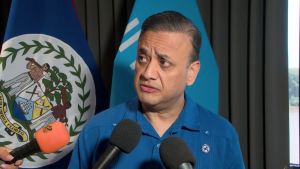
Sajid Ali
Sajid Ali, UNICEF Representative in Belize
“You actually need to speak to young people and to children. Even school-going children can give you much more information about what are their challenges with climate and how they’re facing it. It’s very real now. It’s in the face of everyone. Not only in Belize, all over the world you can see the effects. So I think children, when you talk to children, whether it’s the heating of schools and how they are in their schools or when there are hurricanes, floods and droughts, how it disrupts their life. So it’s very important to hear from them directly too.”
Minister of Climate Change Orlando Habet says the research highlights impacts that often go unnoticed when policies are being developed.
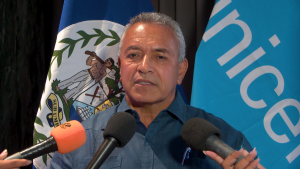
Orlando Habet
Orlando Habet, Minister of Climate Change
“It’s addressing how people live in their communities, how children are affected. Children especially, which are the focus of this project. Many times we don’t see how it affects them directly. But the flooding, the climate, many of our – most of our schools, probably looking at it from our standpoint now, because the intensity of the heat and everything else possibly affects them more than when we went to school. In the rural communities, it is maybe even worse because children might even have to get to school walking through mud, to get to school and they get all sweaty, wet. And so it is really affecting them.”
The government also expects the study to strengthen Belize’s case for international climate financing to implement child-focused adaptation measures. UNICEF Representative Sajid Ali says Belize is already demonstrating a strong commitment to preparing for the future.
Sajid Ali
“If you go through it, you’ll see that it’s not only highlighting issues, but it has very clear key recommendations in there. And Belize is a bit, I would say, ahead of other countries because a lot of the policies relating to climate are quite new and I think the appetite of the government and also of the communities and people to deal with the issues or to mitigate them or to be prepared for it is much higher than most countries.”
The Climate Landscape Analysis is expected to provide a roadmap for making climate action more inclusive by ensuring that children and other vulnerable groups are no longer an afterthought, but a priority in Belize’s response to a changing climate. Shane Williams for News Five.
Attention readers: This online newscast is a direct transcript of our evening television broadcast. When speakers use Kriol, we have carefully rendered their words using a standard spelling system.
Watch the full newscast here: