


Belize’s Historic Coin Change Begins September Eighteenth
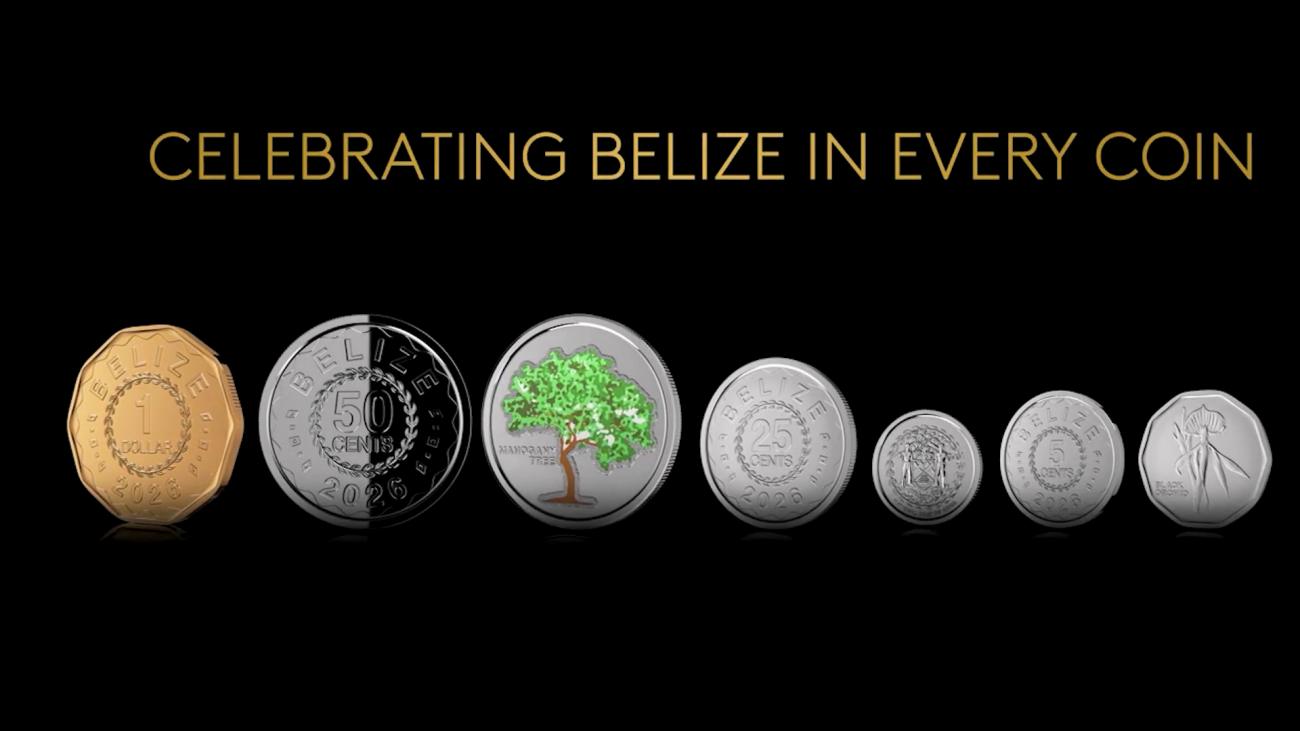
For generations, Belizeans have carried coins bearing the image of Queen Elizabeth the Second. Starting tomorrow, that familiar sight begins to change. The Central Bank of Belize is rolling out a new series of national coins that replaces the colonial-era portrait with images reflecting Belize’s own identity. From the country’s culture and heritage to its natural beauty, the National Symbols Coin Series puts Belize at the center of its currency. News Five’s Paul Lopez examines the new designs and what Belizeans can expect when the coins begin circulating.
 Paul Lopez, Reporting
For generations, Belizeans have used coins bearing the image of Queen Elizabeth the Second. They have passed through countless hands, wallets, cash registers, and piggy banks. Belize’s currency is about to take on a distinctly national identity. Beginning September eighteenth, the Central Bank’s new National Symbols Coin Series will enter circulation, marking a historic change to the coins Belizeans use every day.
Emmanuel Pech
Emmanuel Pech, Assistant Manager, Office of Strategy Management
“The Central Bank of Belize was established in 1982 and this is the first new set of coin series that is being introduced since the bank’s establishment in 1982. And it is being introduced under the theme is “Belize in Every Coin”. And what this means is that once it enters into circulation tomorrow, people once they start transacting with these coins, they will literally have a piece of Belize, a piece of our history and heritage in every coin they use.”
 The new series celebrates our natural heritage and national identity and comes just one year after the launch of the National Heroes banknotes. Every purchase will now carry a piece of Belize. The new coins feature national symbols, turning everyday transactions into reminders of the country’s heritage, culture and natural treasures.
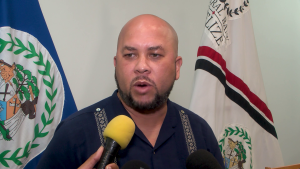
Delroy Rhaburn
Delroy Rhaburn, Assistant Manager, Currency Management
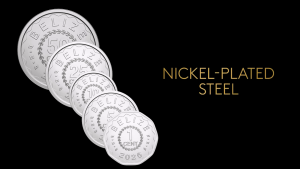
“So with this new series we are using metals that are now more widely used in coin production. Most countries in the region use these region use these metals now. We have the nickel plated steel, the bronze plated steel, it is durable as the oil coin but the metals are much more affordable. We wanted something that would have complemented the notes we put out last year, something that would be more Belizean. So we decided to go with the National symbols and that is one of the reason that we chose the theme, “Belize in Every Coin”, because these are the national symbols of Belize and you now see them in every denomination.”
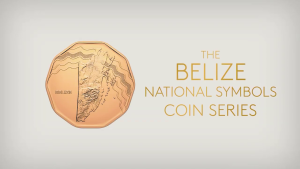 From the map of Belize and the national coat of arms to the mahogany tree, toucan, tapir and black orchid, each new coin puts a national symbol into the hands of Belizeans. But as the new series rolls out, what becomes of the coins people already use every day?
 Delroy Rhaburn
“We do get that question sometimes because I think when people see us doing changes like this, they feel like the old money will go away. That is not the case. The old money is still legal tender. You don’t see them as often as you use to. But if you have them you can still spend them. You don’t need to turn them in.”
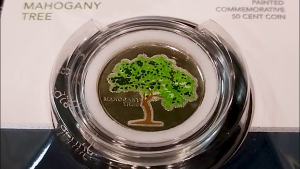 The release is also expected to spark interest among collectors. To commemorate the launch, the Central Bank is issuing a limited-edition painted fifty-cent collector’s coin featuring the mahogany tree. Unlike the coins entering circulation, this special edition is designed solely for collectors and cannot be used for everyday purchases.
Delroy Rhaburn
“These are a limited mintage. They were limited to a hundred thousand pieces. They are only available through the Central Bank of Belize. So, for anybody interested in getting one of those coins, you can get them through the Central Bank.”
They will be available for purchase individually or as part of a complete collector’s set beginning September eighteenth. The new National Symbols Coin Series will begin entering circulation through commercial banks, credit unions, and businesses across Belize. Reporting for News Five, I’m Paul Lopez.
Attention readers: This online newscast is a direct transcript of our evening television broadcast. When speakers use Kriol, we have carefully rendered their words using a standard spelling system.
Watch the full newscast here: