


Garifuna Recognition Has Yet to Deliver Real Results
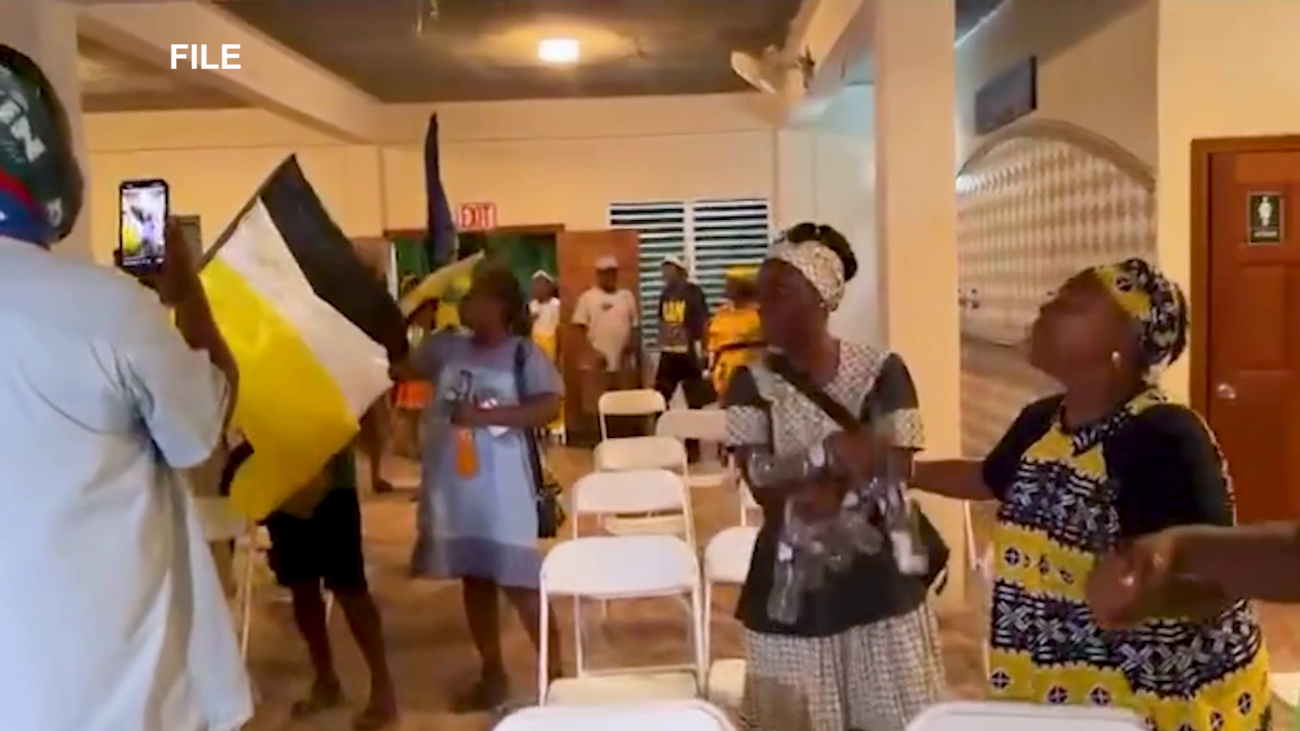
Garifuna culture is proudly displayed in Belize’s music, food, dance and national celebrations, but community advocates say that recognition has not translated into meaningful progress. Recent comments by Prime Minister John Briceño about the size of Belize’s Garifuna population have drawn criticism and reopened a much larger conversation about the community’s future. Advocates say longstanding concerns over ancestral lands, economic opportunities and cultural preservation remain unresolved. So, beyond celebrating Garifuna heritage, what is being done to protect the people and communities keeping that heritage alive? News Five’s Britney Gordon examines the challenges and the ongoing efforts to safeguard a community central to Belize’s cultural identity.
 Britney Gordon, Reporting
The Garifuna community may represent roughly four percent of Belize’s population, but its cultural influence reaches far beyond the numbers. From music and dance to language and tradition, Garinagu have helped shape Belize’s national identity. Yet National Garifuna Council President Alex Nolberto says the community must still fight to protect its rights and secure its future.
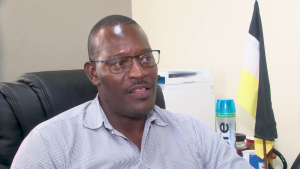
Alex Nolberto
Alex Nolberto, President, National Garifuna Council
“Look at the value that the Garifuna or Garinagu bring to Belize, and these can be itemized, and it’s gonna take a couple pages. Now, you look at what has been lost from the same Garinagu. We look at the language, we look at the dance, we look at Garifuna dual, um, our way of life, which is the same thing that we cherish that bring economic value to Belize and bring prominence to Belize. We have to protect those things.”
Prime Minister John Briceño’s estimate of Belize’s Garifuna population during a casual conversation with soca artist Machel Montano has opened a wider conversation about how the community is recognized, respected and supported.
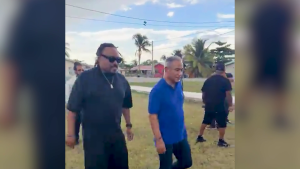
Prime Minister John Briceño
Prime Minister John Briceño
“You know what’s admirable about the Garifuna people. There are only about three or four thousand of them but they’re fighting hard to keep that culture.”
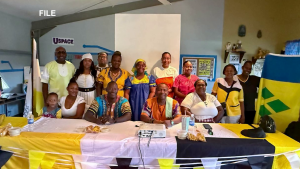 While the Prime Minister has since apologized for the error, Nolberto says there are more pressing matters that must be addressed.
Alex Nolberto
“ We look forward to meeting with the PM. I wanna clarify that he has reached out to me. He has apologized for the error in statistics. He acknowledges that it is an error, and he has also set a meeting to meet with the National Garifuna Council to discuss these ma- these areas that are critical to our existence.”
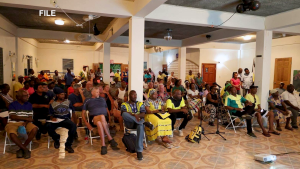 While celebrations and recognition of Garifuna culture help shine a spotlight on the community’s contributions, there is a growing call for greater attention to deeper issues such as protecting ancestral lands, investing in young people and preserving the Garifuna language. As much as dance and national celebrations are important symbols of Garifuna identity, Nolberto says they represent only part of a broader effort to safeguard the community’s heritage and future.
Alex Nolberto
“These are the soft aspects of our existence. What we now need to be able to migrate and have these, these very difficult conversations, surrounding things like our memorandum of understanding, which is still in the pipeline, that will cement our place in our legislation, that would legally recognize us as indigenous people, and that will bring the resources that we so need to develop our people.”
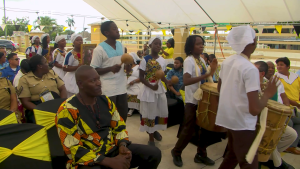 While deeper support is still needed, Nolberto says tourism and cultural recognition remain powerful tools for advancing the Garifuna community’s broader goals.
Alex Nolberto
”We have to start with what works. We are renowned for our music and dance. We have prominent artists. We are global as a people. So we will work with that aspect of the culture to move the other areas that we think have been neglected, the areas that we think are critical. So we promote and we appreciate the recognition for our artistry and, and so we continue to work on those things that will get our foot in the door to have these serious conversations.”
Nolberto further adds that unity among Belize’s indigenous groups is key to strengthening their voice, pointing to the revitalized Belize National Indigenous Council as a platform for addressing shared challenges and advancing issues such as land rights and recognition. Britney Gordon for News Five.
Attention readers: This online newscast is a direct transcript of our evening television broadcast. When speakers use Kriol, we have carefully rendered their words using a standard spelling system.
Watch the full newscast here: