


Wholesalers Challenge BMDC’s Grip on Imported Vegetables
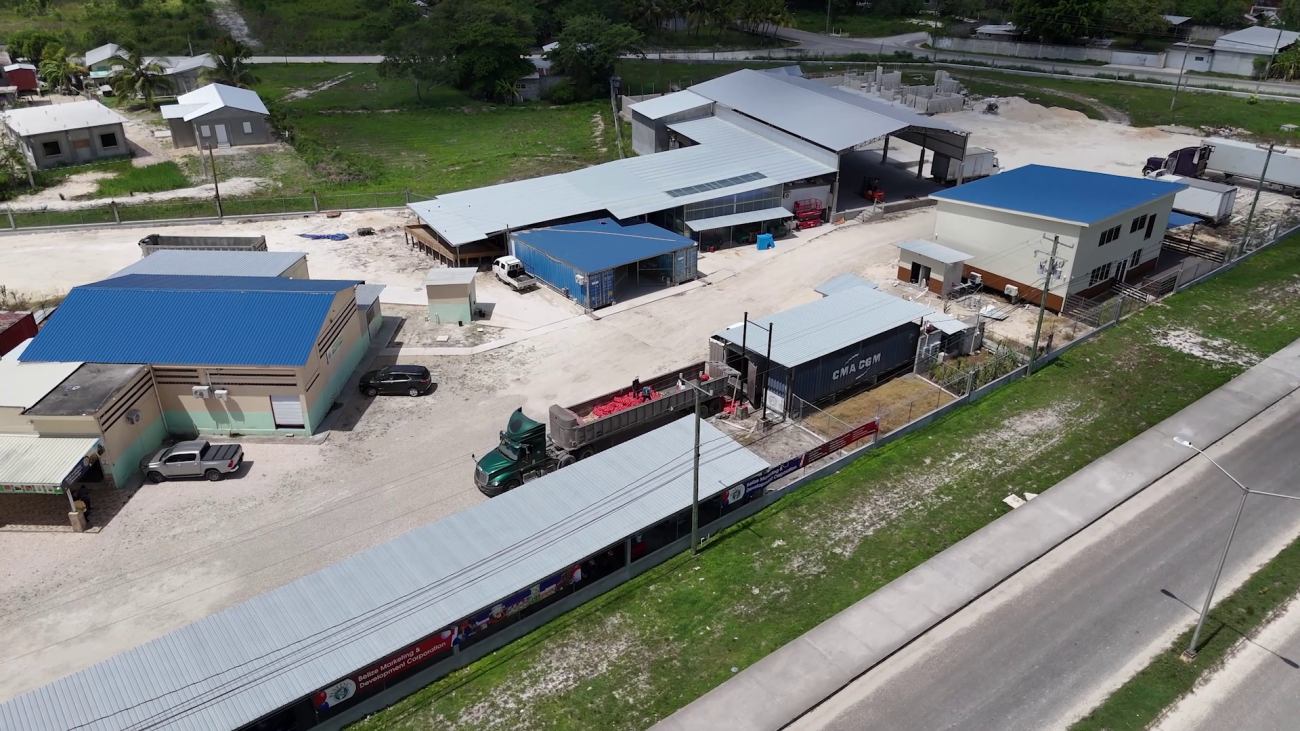
Belizeans are paying more for fresh vegetables, but are they also paying the price for a lack of competition? Wholesalers and market vendors accuse the Belize Marketing and Development Corporation of controlling the supply of key imports, leaving retailers with little choice and consumers with higher bills. Tonight, News Five takes you inside BMDC’s Orange Walk facility to see how the system works and why critics are calling it a monopoly.
 Paul Lopez, Reporting
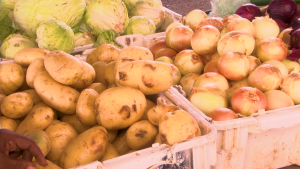
We’ve heard the frustration from vendors at the Michael Finnegan Market. They say fresh produce is costing too much, while the quality simply isn’t matching the price.
Voice of: Market Vendor #1
Voice of: Market Vendor #1, Michael Finnegan Market (File: Sept 14th, 2026)
“And deh yah duty looking, stinking potato weh marketing board the sell wih. Unu need to deal with them and denya cow price.”
Paul Lopez
Paul Lopez, Reporting
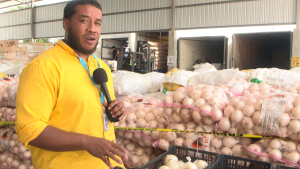
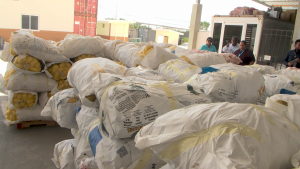
“Currently we are getting a firsthand look at the Belize Marketing and Development Corporation’s importation process here at uts facility here in Orange Walk Town. Every product here was imported today, form the onions, the white onions, the broccoli, the potato, the carrots, the cauliflower and celery. Over here you have three trucks that are importers as well as some domestic wholesalers that will taje these products into the market.”
Paul Lopez
“What are you guys buying today?”
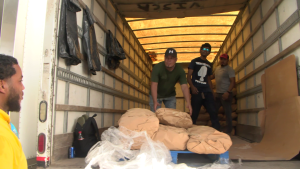
Cayo Wholesaler
Cayo Wholesaler
“Everything boss, broccoli, cauliflower, lettuce, celery, potatoes.”
Paul Lopez
“How you guys like the quality?”
Cayo Wholesaler
“Can’t complain, some lettuce come good, some come bad.”
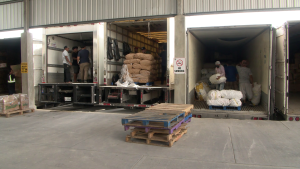 These workers are loading a fresh shipment of imported produce for delivery to western Belize. The quality appears to be up to standard today, but not everyone is satisfied. Cayo wholesaler Lester Lemus says the real issue is price, a concern he shares with vendors who say the high cost eventually lands on consumers.

Lester Lemus
Lester Lemus, Wholesaler
“We are talking about more than a dollar and twenty cents per pound of potato. To put it into context you can go across Chetumal for one sack of potato and you will get it almost ninety dollars cheaper.”
Paul Lopez
“Yet you still keep coming back.”
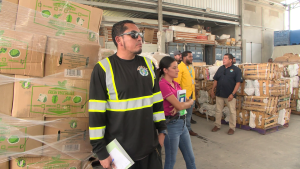 Lester Lemus
“Well, this is the only place we can buy. We don’t get license for anything. This is the only importer and if we want to sell we have to buy from them. As a business man I am not affected, but as a Belizean it should concern us, monopolies are not good in anyway.”
Across municipal markets, vendors share one major complaint: BMDC-controlled imports are costing too much. But, wholesalers, and by extension, retailers have no choice but to source these products, formally, through BMDC.

Valentin Carillo
Valentin Carillo, Administrator, BMDC
“Well competition is good, we always welcome competition. In fact, we can say we are competing with the informal market. What we call contraband, so we need to make sure our prices are not so, because we open the window for more contraband, so I see it as competition.”
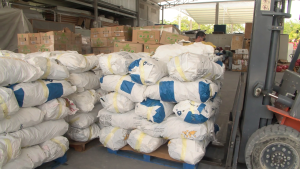 Valentin Carillo says BMDC has no problem with competition. However, he points out that the Ministry of Agriculture, not BMDC, decides which wholesalers can secure permits to import certain products. Senior Project Officer Sergio Tillett says that it’s not about establishing a monopoly, but rather quality control.

Sergio Tillett
Sergio Tillett, Senior Project Officer, BMDC
“If you leave it to ten different importers, how can the control what comes into the country, how can they guarantee, especially when there is what we call a transition period when local production come into play, they tell BMDC no more permits and it stops right here. If you have ten importers how else to stop what else they bring into the country to try protecting our local producers.”
 BMDC says fluctuating exchange rates and rising prices across the northern border are driving up its costs. Carillo says the least it can do is lower its profit margins on each product to ease the cost burden for retailers.
Lester Lemus
“We that have the connection with the market, we are the one under pressure about the process and the think is that we brought complaints and solutions to the ministry. We understand what is going on we know exactly what is going on, and we find it disappointing that they keep covering up to keep the operation going.”
BMDC insists its operations are transparent and says the profits it earns are necessary to keep the corporation financially self-sufficient. Reporting for News Five, I am Paul Lopez.
Attention readers: This online newscast is a direct transcript of our evening television broadcast. When speakers use Kriol, we have carefully rendered their words using a standard spelling system.
Watch the full newscast here: