


Guatemalan President Arévalo Denies Belize Airspace Incursion
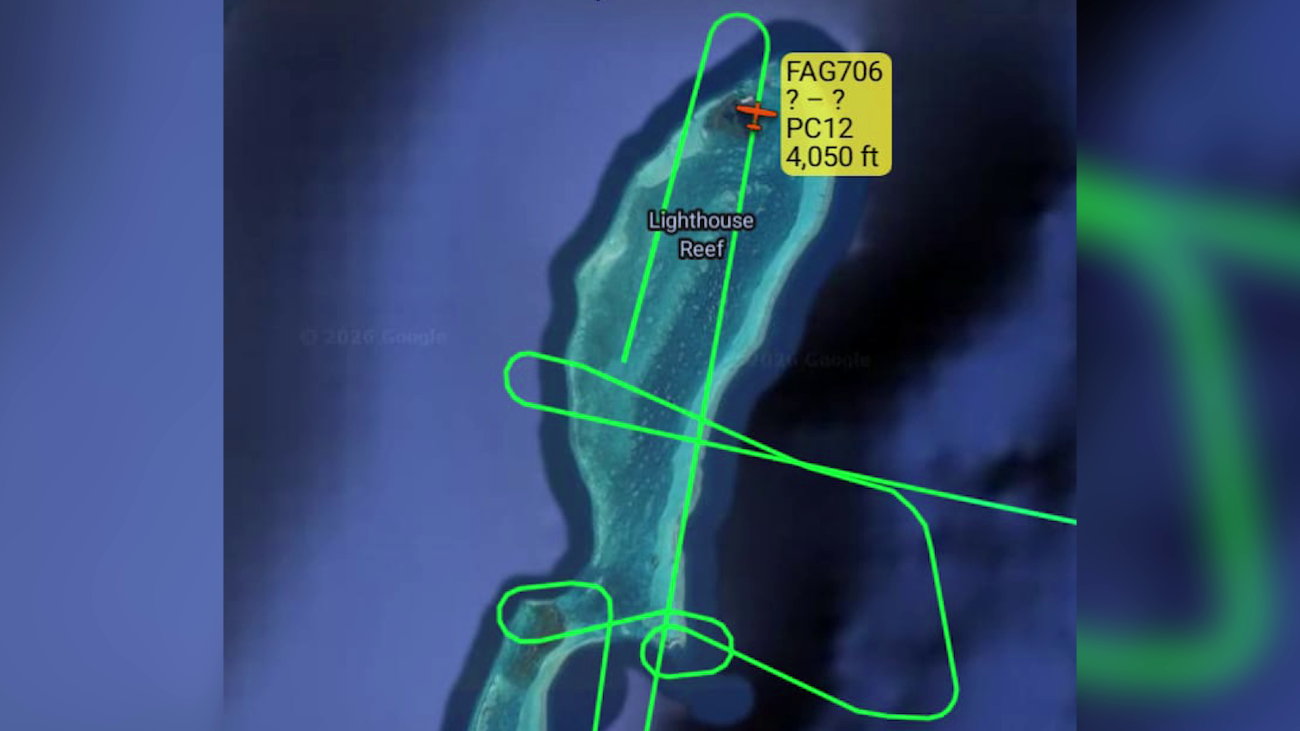
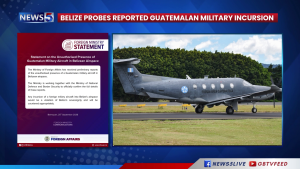
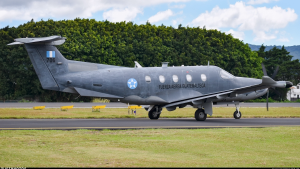
Did a Guatemalan military aircraft enter Belizean airspace, or does the tracking evidence tell the wrong story? Guatemalan President Bernardo Arévalo has now broken his silence, flatly denying Belize’s allegation and challenging the information used to track the flight. Guatemala has also offered the aircraft’s flight records to the Organization of American States for inspection as it seeks to prove that no aerial incursion took place. News Five’s Shane Williams breaks down Guatemala’s defense.
Shane Williams Reporting…
Guatemala is not on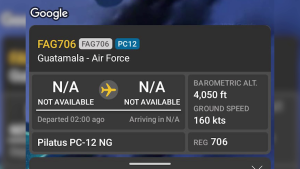 ly denying that its military aircraft entered Belizean airspace. President Bernardo Arévalo is questioning the evidence, inviting the OAS to examine the flight records and pushing back against Belize’s version of events. Arévalo makes an unequivocal denial. Guatemala is not disputing where the aircraft went or arguing that it briefly crossed into Belize. Its position is much simpler; the flight did not happen.
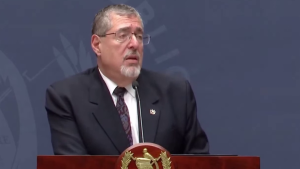
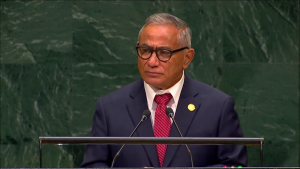
Bernardo Arevalo
Bernardo Arevalo, President of Guatemala
“There has been no flight like the one being reported.”
The Ministry of National Defense and Border Security, however, has said its analysis showed a Guatemalan military aircraft traveling into Belizean airspace. Arévalo then turns to the source of the initial tracking information, dismissing Jonathan Tasker as a teenager using an app.
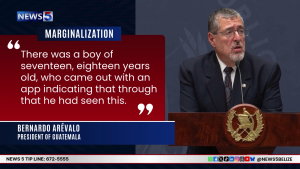 Bernardo Arevalo
“Afterwards we saw that there was a boy of seventeen, eighteen years old, who came out with an app indicating that through that he had seen this.”
 That characterization is significant because rather than engaging only with the flight data itself, which Belizean officials have corroborated, Guatemala is also challenging the credibility of the person and the tools used to obtain it. And Guatemala is not simply asking Belize to take its word for it. Arévalo says Guatemala has made the aircraft available to the OAS so its records can be examined.
Bernardo Arevalo
“We, in any case, have made available to the Organization of American States the plane that has been identified as the one that supposedly would have carried out, would have been involved in that event, so that they can come and review its records, because those records that get logged are what show what route was taken, etcetera.”
While that is a powerful television moment, Prime Minister Briceno is convinced the Guatemalans are posturing.
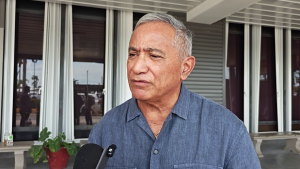
Prime Minister John Briceño
Prime Minister John Briceño
“It doesn’t matter what they say because I think the entire world knows that it happened. And of course probably they are trying to save face. I don’t know what they are trying to do. The point is that it happened. They should have never been here on our airspace.”
 And Arévalo even uses the Organization of American States as a crutch, challenging Belize’s decision to raise the matter at the United Nations General Assembly.
Bernardo Arevalo
“We are very calm because fortunately we have a permanent international monitoring mechanism. In fact, the Organization of American States has an office in the adjacency zone between Guatemala and Belize, whose function is precisely to facilitate, contact between the two countries and above all to observe the situations that arise in this adjacency zone.”
 For many Belizeans, the OAS may have a formal role in the Belize-Guatemala process, but years of protest notes have produced little change. That is why some believe the General Assembly was the right place to call out Guatemala’s behavior, regardless of whether the public criticism caused embarrassment.
Prime Minister John Briceño
“They took off their transponders. Obviously they knew that they were in the wrong and were trying to hide it.”
Shane Williams for News Five.
Attention readers: This online newscast is a direct transcript of our evening television broadcast. When speakers use Kriol, we have carefully rendered their words using a standard spelling system.
Watch the full newscast here: