


Can Belize Fight Cybercrime Without Silencing Critics?
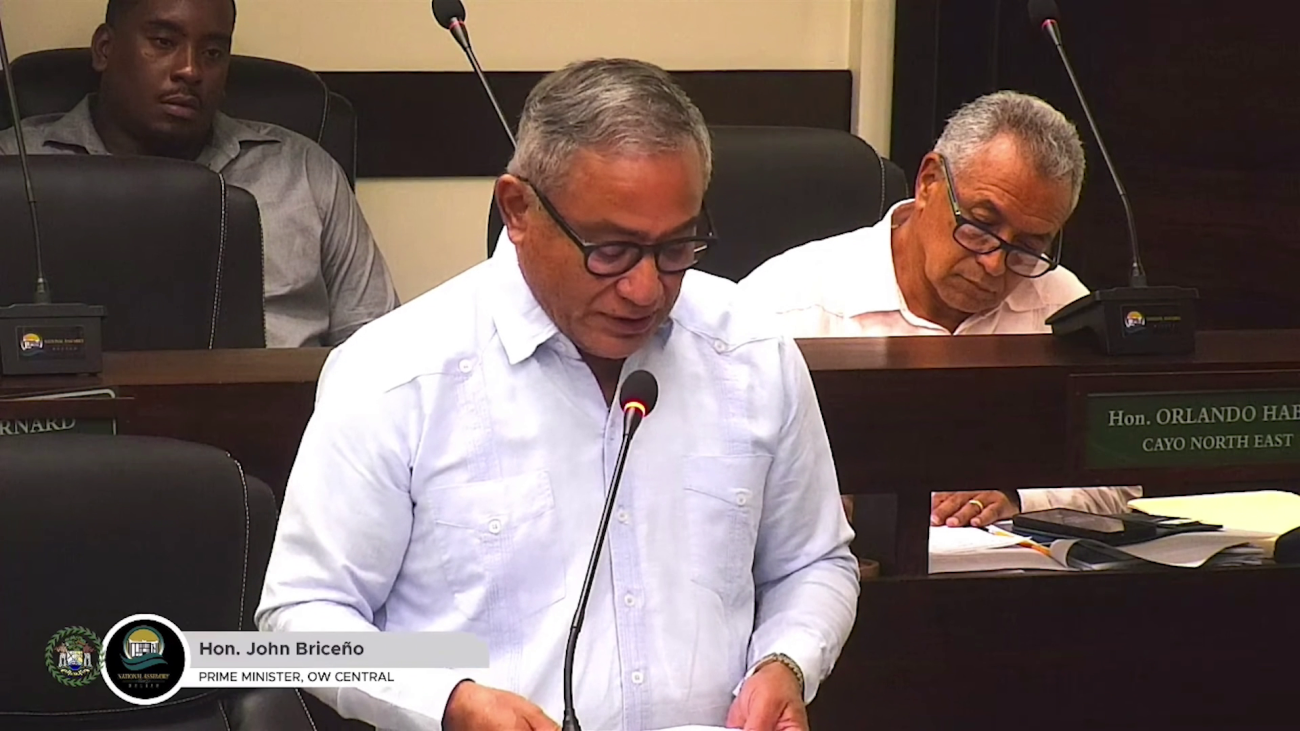
From alleged credit card scams in the BPO sector to complaints involving Nichole McDonald and Alberto August, recent cases have exposed just how complex cybercrime has become in Belize. As more business, communication and financial activity move online, the government says the law must keep pace. Prime Minister John Briceño today introduced amendments aimed at clearly defining cyber offences, strengthening oversight of prosecutions and protecting the constitutional right to free expression. The bill would also clarify when Belizean courts have authority to hear cybercrime cases. Here is the Prime Minister explaining how the proposed changes seek to fight online crime without criminalizing lawful speech.
Prime Minister John Briceño
“Subsection four currently make sit an offense to disseminate false information, statements or images by means of a computer system with the intent to harm another person’s reputation or to expose that person to public ridicule, contempt, hatred or embarrassment. As digital communication continues to evolve, concerns have emerged regarding the breadth of the existing provision and its potential application to a wide range of online expressions, including political commentary, satire, parody, journalism and criticism of public officials. The review reveals concerns that the existing provisions are framed in terms that are broader than is necessary to address serious cyber enabled harm. As such we need to amend section fifteen-four of the act so that it addresses clearly defined and serious forms of technological facilitated abuse while avoiding unnecessary interference with constitutionally protected expressions. This bill Madam Speaker addresses this. It seeks to confine criminal liability to conduct involving fabricated, altered or impersonated digital content that is falsely presented as authentic and did do determination for specific serious harmful purposes. This protection is intended to ensure that democratic debate, investigative journalism, political criticism, and other forms of public discourse are not criminalized merely because they are offensive, embarrassing or critical of public figures.”
The bill requires written approval from the Director of Public Prosecutions before anyone can be prosecuted under the Act.
Attention readers: This online newscast is a direct transcript of our evening television broadcast. When speakers use Kriol, we have carefully rendered their words using a standard spelling system.
Watch the full newscast here: