


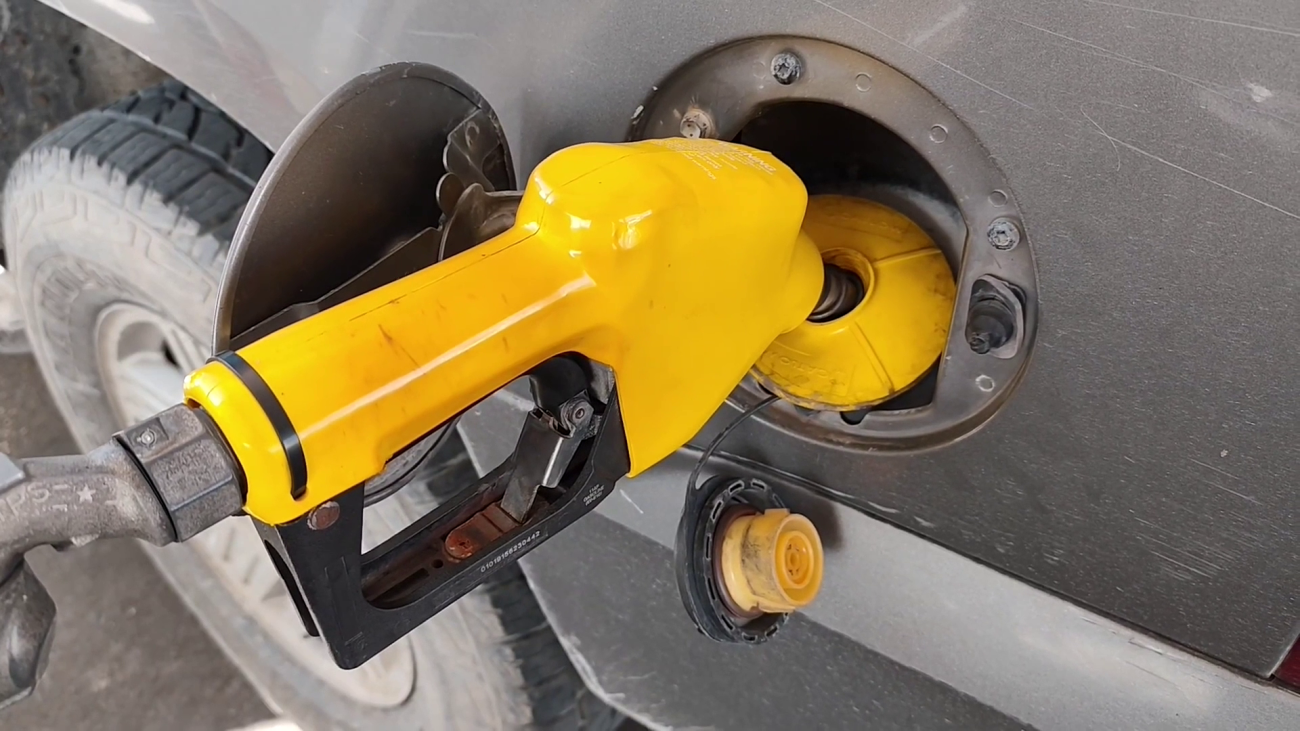
Fourteen-Dollar Fuel Hits Belizean Drivers and Businesses
Regular gasoline has crossed the fourteen-dollar mark for the first time, putting even more pressure on Belizean motorists already struggling with the rising cost of living. Friday’s fuel increase pushed both regular and premium gasoline above fourteen dollars a gallon, forcing drivers to spend more each time they pull up to the pump. But the impact will not stop there. Businesses are also absorbing higher transportation costs, raising fresh concerns that consumers could soon pay more for goods and services. News Five’s Britney Gordon examines how this historic increase is affecting motorists and the wider economy.
 Britney Gordon, Reporting
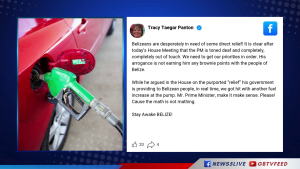
With motorists searching for relief, Opposition Leader Tracy Taeger-Panton is calling on the government to ease the burden. But the Briceño administration has previously argued that reducing one fuel tax would still leave a hole in public revenue. Earlier this year, Prime Minister John Briceño explained the government’s position after the Belize Chamber of Commerce and Industry called for greater transparency in the way fuel prices are determined.
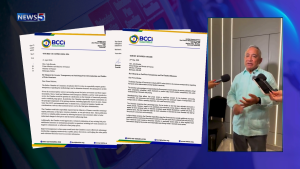 Prime Minister John Briceño (File: June 3rd, 2026)
“If you collect a hundred dollars in taxes and you have environmental tax, you have GST and the excise and import tax, it’s still a hundred dollars. It doesn’t matter where you take it from. You could take it from environmental tax or the import tax or the excise tax. It’s still removing monies from the whole amount that you’re doing, and that’s what we’re doing.”
The fuel crisis is not unique to Belize, but neighboring Guatemala has chosen a different response. Its government moved to temporarily suspend certain taxes on gasoline and diesel, while lawmakers approved emergency legislation aimed at stabilizing prices and providing immediate relief to consumers.
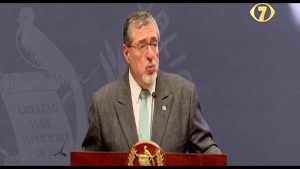
Bernardo Arévalo
Bernardo Arévalo, President of Guatemala
“That is a situation that affects us all and has an impact on the economy. No, no, we have no reason to continue in this framework. As soon as Decree 21-26 is sent from the Congress of the Republic, it can be signed into law to put this legislation into effect, ensuring that Guatemalans and their families immediately begin paying a stable maximum price.”
The measures are expected to suspend fuel-related taxes through the holiday season. Guatemalan authorities have also been instructed to monitor service stations to ensure that businesses pass the savings directly to consumers. Here in Belize, motorists say even temporary relief could make a meaningful difference.

Belmopan Resident
Belmopan Resident
“Yeah, less tax is always good. I’m sure the government must be able to do something.”
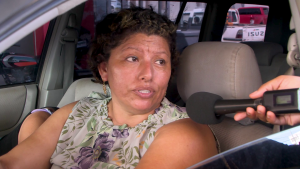
Belize City Resident One
Belize City Resident One
“That would be awesome. It would help right now, especially with businesses because of the economy right now. I see it because I am in sales. Everything is slow. So that would be an awesome help. Like how they do it in other places for example like at least for Christmas or until Christmas That would be a big help. Definitely.”

Belize City Resident Two
Belize City Resident Two
“I do personally believe that it would benefit a lot of people. It will benefit a lot, especially the low-income families who rely on transportation like this to get from here to home. It would really relieve a lot of stress. For business owners, I do believe it also would improve them because it would take off that financial burden for a certain period of time for them to recollect that loss that they made in that certain period of time.”
Bus operators recently secured a fuel subsidy from the government following negotiations over rising operating expenses. The average private motorist, however, continues to absorb the full increase. And with gasoline now above fourteen dollars, drivers say they must carefully plan every trip and cut out unnecessary travel.
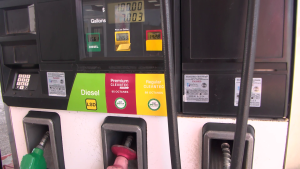 Belmopan Resident
“You can’t run to the shop for every bag of flour you need. You have to really plan and, you know, go out. We do have to make some adjustments.”
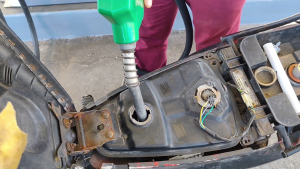 Belize City Resident One
“I had to. Like if you used to go to the shop and you forget something, you go back again. So you have to try and make a list. You don’t go to the shop one or two times a day because now you have to watch your gas. Because when the gas gone up. You just have to watch how you use your vehicle now. It’s not like first, oh, let’s go to the park. To do just random lee stuff you have to have a schedule now.”
For people who depend on their vehicles to earn an income, the financial pressure goes much further. One tourism worker says fuel is swallowing an increasing share of the money the business brings in, forcing major changes at work and at home.
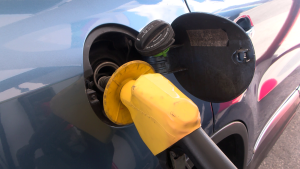 Belize City Resident Two
“I have to change many things. Like, for example, my habits on how I go out, how I move about. Now I have to worry about, oh, if I need to go out. It’s too much to think now because with the way how the prices are moving, it’s getting worse. Like, for example, I deal with tourism and it’s very hard for me to get the profit I need from tourism to go back because the majority of my profit goes directly to this right here, fuel. Between all the vehicles and all the stuff that we have, it’s outrageous. I had to cut back on a lot of my lifestyle. So I stopped going out at night. I stopped eating everywhere out. It’s been rough. And I know if I can’t make it out here, imagine the others out there who are making less than me and who have to go on minimum wage.”
For now, there is no indication that broad relief for private motorists is on the way. But some drivers are proposing a temporary program similar to the General Sales Tax-free weekends, with fuel prices reduced during high-spending periods such as Christmas and Easter. Until the government decides whether it can afford to reduce the cost at the pump, motorists say they have little choice but to make fewer trips, tighten their budgets and watch more of their earnings disappear into their fuel tanks. Britney Gordon for News Five.
Attention readers: This online newscast is a direct transcript of our evening television broadcast. When speakers use Kriol, we have carefully rendered their words using a standard spelling system.
Watch the full newscast here: