


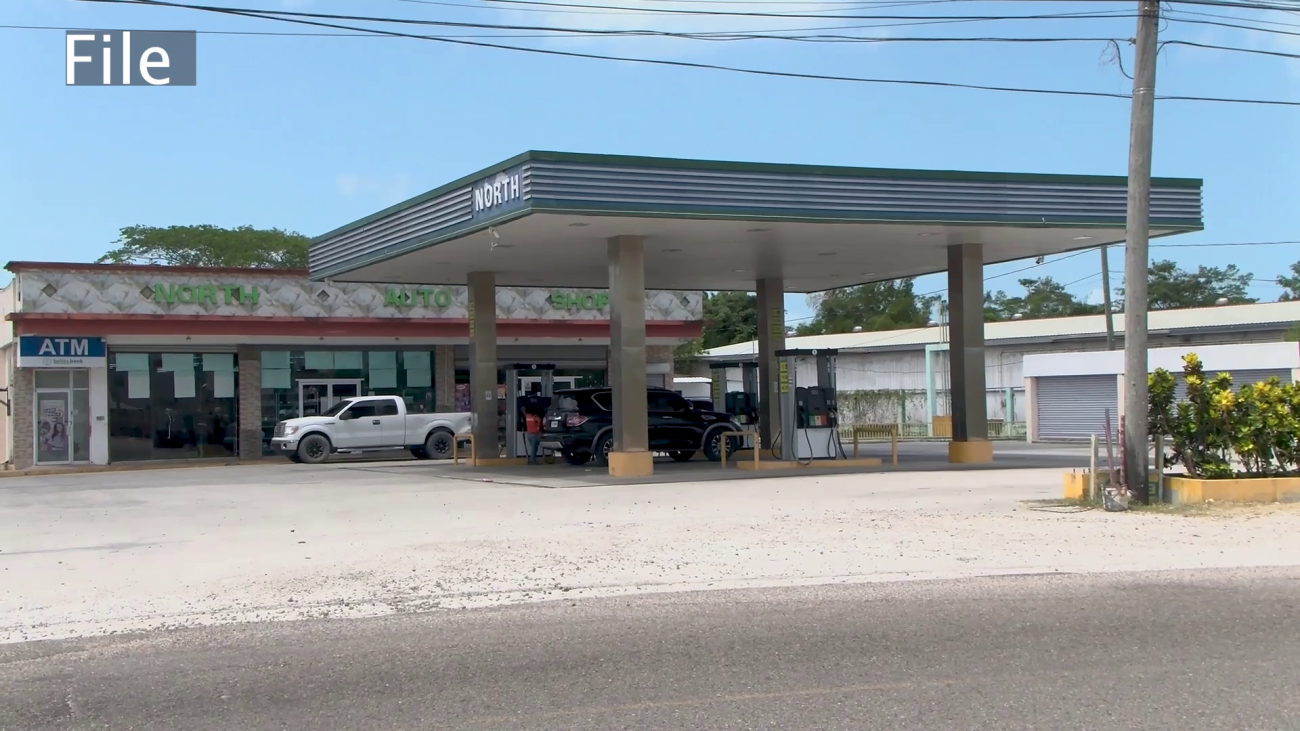
Can Briceño Administration Do More to Cut Fuel Costs?
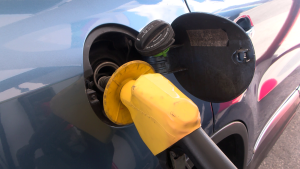
With fuel prices climbing and Belizean drivers feeling the squeeze, the pressure is mounting on the government to provide more relief. Prime Minister John Briceño says the conflict between Iran and the United States is driving up global oil prices, leaving small economies like Belize especially vulnerable. The government has already reduced fuel taxes, while Guatemala has gone further with temporary tax exemptions and price caps through December. So, with no clear end to the volatility, what more can the Briceño administration do to ease the pain at the pump?
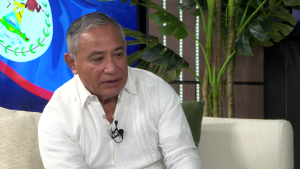
Prime Minister John Briceño
Prime Minister John Briceño
“The price of diesel continues to go up worldwide and the problem there is simply because of this war in Iran with the United States. It was the United States and Israel, now it’s only the United States and Iran and they’re at a stalemate and nobody wants to step back. But while that is happening, the rest of the world is punishing and small, open economies like Belize are the ones that continue to pay even the biggest price. And so, what we have been doing, the only thing we can do is cut down the taxes, we’re cutting down the taxes right now. On diesel, I think it’s below two dollars. And I know some people will say, “Oh, that’s not a lot.” But if we cut [down] on these taxes then we’ll have to cut [down on] the social services that we give. There has to be a balance. We can’t spend what we don’t have.”
 Isani Cayetano
“When you look at what’s happening across the border in Guatemala, President Arevalo has found a way to, in a sense, temporarily alleviate their gas pain. Now that’s a much bigger country, more populous than small Belize. But isn’t there any way… perhaps you’ve explored this or perhaps it’s food for thought, if that were the case, that we can look at something similar, in terms of easing the burden by following suit…”
Prime Minister John Briceño
“This is where, sometimes, you know, we always think that the grass is greener on the other side. With President Arevalo, I’m glad that he did something, but we’ve been doing this from the start. We’ve been reducing the taxes, reducing the taxes, but remember, the fuel taxes bring over two hundred million dollars, that’s more than ten percent of the budget. And so, if we were to get rid of that, where would we fill the gaps?”
For now, the Prime Minister says cheaper fuel would come at a cost elsewhere, and government must decide how much revenue it can afford to surrender.
Attention readers: This online newscast is a direct transcript of our evening television broadcast. When speakers use Kriol, we have carefully rendered their words using a standard spelling system.
Watch the full newscast here: