


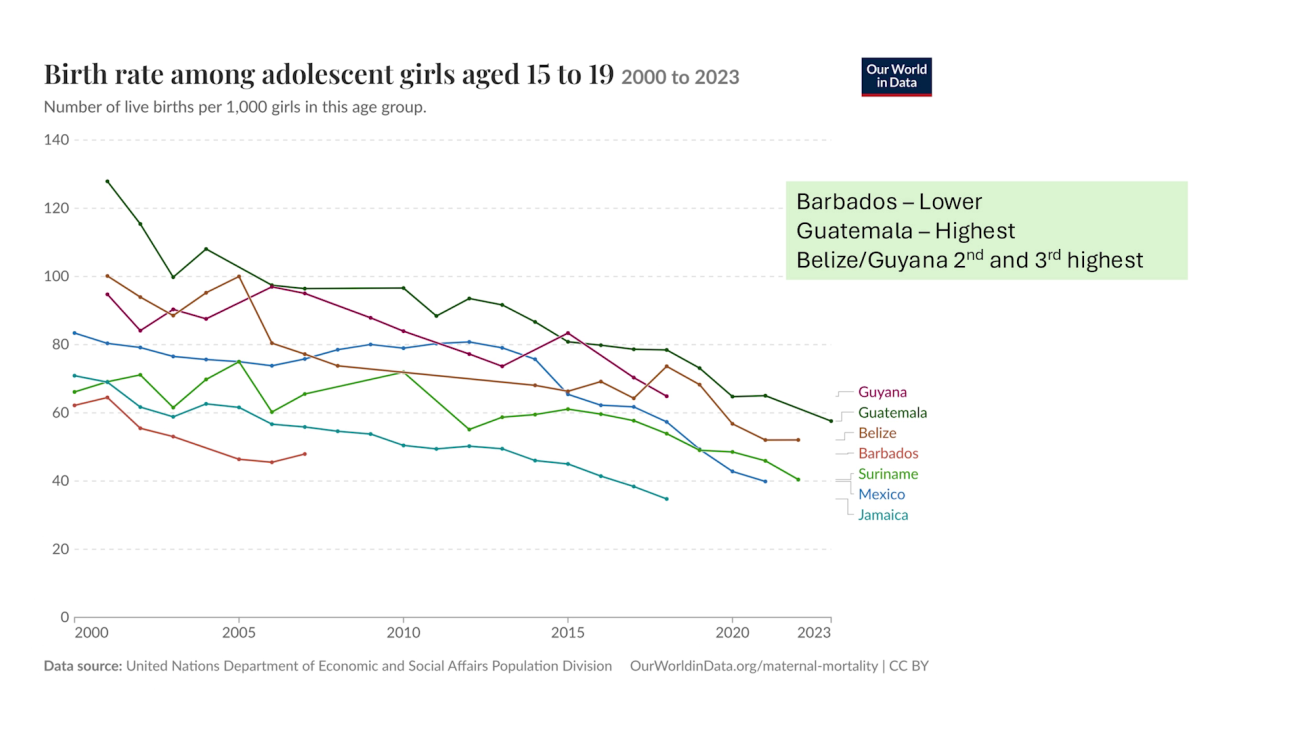
Belize Joins Regional Fight Against Teen Pregnancy
One choice can change a life. That’s the focus of Adolescent Pregnancy Prevention Week, as Belize joins regional efforts to help young people overcome challenges and build brighter futures. Beyond the personal impact, health officials say adolescent pregnancy affects educational achievement, employment opportunities and even national development. Through awareness campaigns and expanded access to information, health services and support systems, Belize is also contributing to a broader global effort to improve health outcomes and create greater opportunities for young people by 2030. According to Dr. Natalia Beer, Maternal and Child Health Technical Advisor at the Ministry of Health and Wellness, preventing adolescent pregnancy is not only about protecting individual futures, but also about strengthening the country’s social and economic well-being.
Natalia Beer
Dr. Natalia Beer, Technical Advisor, Ministry of Health & Wellness
“Adolescence should finish at twenty-five years, not at nineteen, for many biological reasons. Studies that have been done on the brain demonstrating that by twenty you are still not able to make the best decisions for our lives. So definitely consequences are multidimensional. You lose educational years. There are health consequences, economic consequences that effect even the country and one thing we barely speak about is violence. Girls engaging in formal relationship early because they are children still yet, by definition. They are exposed to all forms of violence. The main intervention is providing them with information and services. And its not to reinvent the wheel, creating new groups, whatever exists in the community, they should be providing services to adolescents, especially information. And for those who for whatever reasons are already engaging in sexual activities, the family and the community needs to help them in having access to contraceptives to prevent that unwanted and unplanned pregnancies. Adolescents need to focus on themselves, reach their educational goals, enjoy their lives before assuming an adult responsibilities. Even sexual intercourse is an adult responsibility, much more having a child. No child should be having a child.”
Dr. Natalia Beer recommends women to wait until the age of thirty to have their first child.
Attention readers: This online newscast is a direct transcript of our evening television broadcast. When speakers use Kriol, we have carefully rendered their words using a standard spelling system.
Watch the full newscast here: