


Will Ministers Put Their Money Where Their Mouth Is?
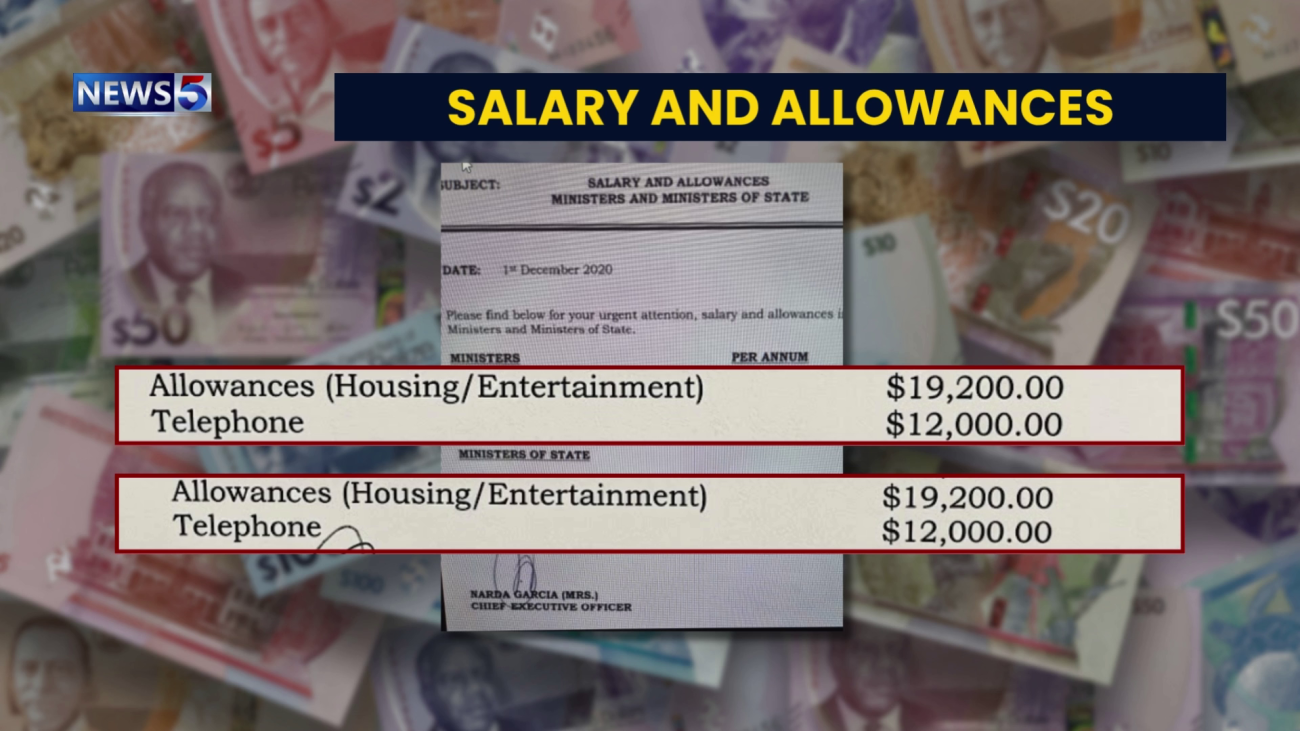
Belizeans are cutting expenses, stretching salaries and making hard choices just to keep up with the cost of living. Now, Deputy Prime Minister Cordel Hyde says government ministers must show they are willing to sacrifice too. He wants the government to reconsider ministerial allowances, which include more than thirty-one thousand dollars a year for housing, entertainment and telephone expenses. That amount alone is nearly twice the average annual income reported for an employed Belizean in the figures cited in this story. Prime Minister John Briceño says he is open to the discussion, but will that openness lead to an actual cut? Paul Lopez reports.
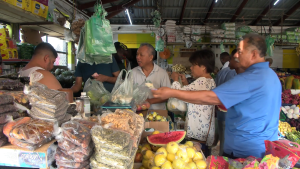 Paul Lopez, Reporting
When the cost of living rises, Belizeans hear the familiar advice: spend less, tighten your belt and make sacrifices. But Deputy Prime Minister Cordel Hyde says those sacrifices cannot stop with ordinary citizens. Ministers, he argues, must also take a hard look at what they receive.
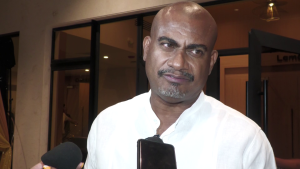
Cordel Hyde
Cordel Hyde, Deputy Prime Minister
“I think we as a government have to tighten our own belts, have to make some sacrifices and look at our own allowances too, because we can’t be living one way and have the people living another way.”
 Hyde’s comments have opened a wider debate about whether the benefits ministers receive reflect the financial reality facing the average Belizean. He says government cannot ask the public to endure economic pressure while its own leaders appear insulated from it. Prime Minister John Briceño says Hyde’s argument is fair, but ministers often spend their own money helping hundreds of constituents each month.
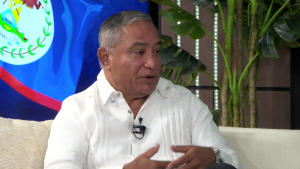
Prime Minister John Briceño
Prime Minister John Briceño
“That is a fair comment, but at the same time, to be fair, hundreds of people come to us every month asking for assistance and in many instances, we have to dig from our own pockets. I am one of the fortunate ones that I don’t depend on my salary, so I can afford to do more. Some of our ministers, that is all they have, and people come knocking at their doors every day for assistance.”
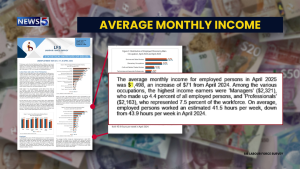
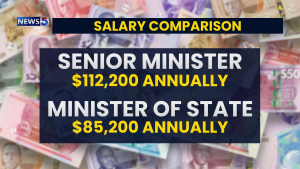
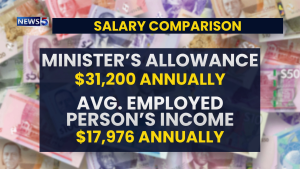 But what do those allowances actually add up to? According to a government memo dated December first, 2020, senior and junior ministers receive nineteen thousand, two hundred dollars annually for housing and entertainment. They also receive twelve thousand dollars a year in telephone allowances. Combined, that works out to thirty-one thousand, two hundred dollars annually in allowances alone. Ministerial allowances alone nearly double the average Belizean worker’s seventeen thousand, nine hundred and seventy-six dollars annual income. Add salaries, and senior ministers receive one hundred and twelve thousand, two hundred dollars a year and junior ministers eighty-five thousand, two hundred. Briceño says he would not oppose a cut that delivers real savings.
 Prime Minister, John Briceño
“If we believe that will make some kind of dent or some kind of help, fine. Personally, I don’t have an issue.”
But willingness is not the same as action, and no decision has been announced to reduce the allowances. For Hyde, however, the issue is about more than the money government could save. It is also about public trust. He warns that if ministers refuse to make sacrifices while families struggle, the administration risks reinforcing the view that its leaders are disconnected from everyday life.
 Cordel Hyde, Deputy Prime Minister
“If we don’t do anything, then it will only allow people to continue to say that we are disconnected and out of touch, and we don’t want that to happen. We don’t want that stain to be on us. I think we have to really put some dent in our allowances to show people that we are living in the same space and we understand what is happening out here.”
For now, cutting ministerial allowances remains an idea, not a government decision. The bigger question is whether ministers will turn talk of shared sacrifice into action, or continue receiving benefits that exceed what many Belizeans earn from a full year of work. Paul Lopez for News Five.
Attention readers: This online newscast is a direct transcript of our evening television broadcast. When speakers use Kriol, we have carefully rendered their words using a standard spelling system.
Watch the full newscast here: