


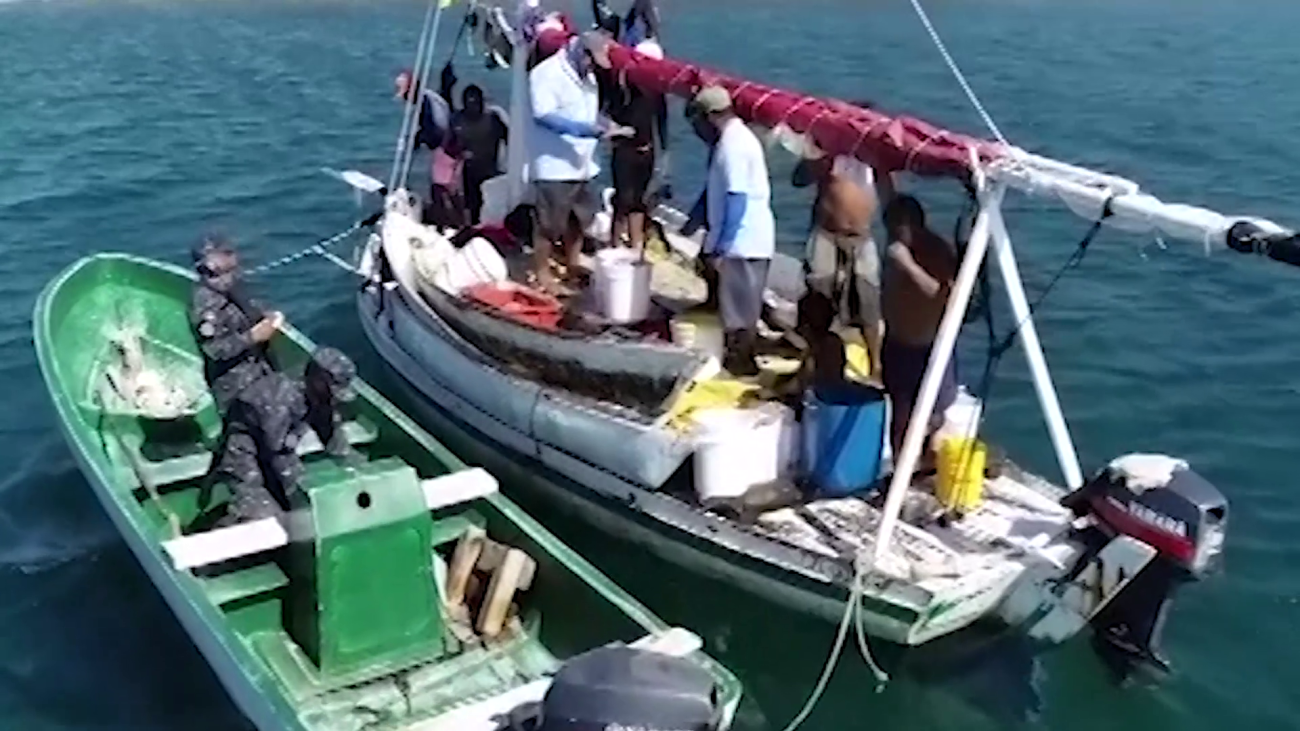
Belizean Fishers Challenge Government’s Tracking Ultimatum
A device meant to improve safety and curb illegal fishing is instead stirring concerns about consultation, privacy and trust. Special-licensed stone crab and shark fishers have until October twenty-second to install and activate Vessel Monitoring Systems or risk losing their licenses. The Fisheries Department says the pilot project will protect fishers and strengthen enforcement, but industry representatives argue that government moved ahead without giving them a meaningful voice. Shane Williams reports.
 Shane Williams, Reporting
For fishers, the sea is more than a workplace. It is where they earn a living, feed their families and, in many cases, operate far from immediate help. Now, the government wants to track their vessels, a move it says will make the industry safer, but one that some fishers fear could come at the cost of their privacy and trust. By October twenty-second, special-licensed stone crab and shark fishers must have Vessel Monitoring Systems installed and operational aboard their boats. The Fisheries Department is introducing the technology through a pilot project aimed at tracking vessel movement, improving enforcement and tackling illegal fishing.
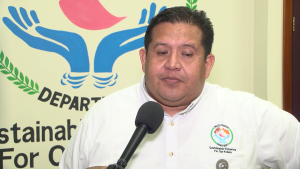
Adriel Castanedas
Adriel Castanedas, Acting Fisheries Administrator, Fisheries Department
“This is going to be implemented in two important fisheries that we have, which are highly regulated and what we call special license fisheries. And so the VMS are part of a condition of license that we add to the license itself. But essentially, it’s a pilot. It’s a continuation of a pilot that we’ve been trying for several years now, trying to seek for a suitable device that is convenient both to the fishers and to us to be able to monitor movement, but also to try to address issues with illegal fishing, enforcement concerns.”
 But while the department focuses on what the technology can do, some fishers are questioning how the policy reached this point. With the deadline fast approaching, President of the San Pedro Fisherfolk Association Jorge Aldana says those affected were not given enough opportunity to shape a requirement that could determine whether they keep their licenses.

Jorge Aldana
Jorge Aldana, President, San Pedro Fisherfolk Association
“You are going to put a deadline to us. By the 23rd of October, you must have certain tracking device if you are fishing for stone crab or for shark fishers. This is wrong. You must pass, put the brakes and come and consult with us.”
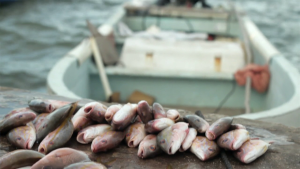 The pilot may affect only a relatively small group for now, but Aldana says that does not make their concerns any less important. He estimates that Belize has between fifty and sixty shark-fishing licenses, while roughly fifteen stone crab fishers operate from San Pedro and Caye Caulker, with others working farther south.
Jorge Aldana
“There are about 50, I think almost about 60 shark fishing licenses in our country. In San Pedro and Caye Caulker combined, there are about 15 stone crab fishers. But there are more in down south. And so not because it’s not a big population of fishers that are impacted, you must not come and consult with us.”
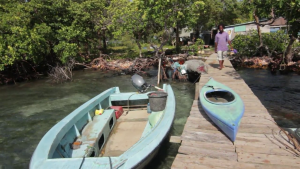 The Fisheries Department acknowledges that it did not hold broad, industry-wide consultations before launching the pilot. Castanedas maintains, however, that officials engaged representatives of the specific fisheries involved. He says some fishers raised legitimate concerns but ultimately agreed to participate while both sides test the technology.
Adriel Castanedas
“They were consulted. We have the Stone Crab Fisher Association in Caye Caulker, and we have a couple fishers in San Pedro and it’s through them that we made that contact. We discussed with them, and they discussed with their members. And essentially, while they had some concerns, I must be honest that they had some legitimate concerns, they are in agreement to install it because it’s a pilot. We’re testing it, and we’re learning, both the fishers and us. In the case of the South, the shark fishers, we are organizing a session with them, hopefully tomorrow, to explain some of those concerns that they have and try to see that they understand better.”
 For Aldana, however, the bigger concern is not simply who must install the devices today. It is who could be required to carry them tomorrow. He says future phases could extend monitoring to deep-sea fishers using electric reels and, eventually, recreational fishing operators and tour guides.
Jorge Aldana
“What he refused to say, what the people at fisheries refused to say, that phase two is going to include zone nine. Zone nine is all those who do deep sea fishing with electric rods. I just learned about that today in my conversation with the fishing administrator. And then from there it is eventually going to the next phase, would be dealing with those who utilize our natural resources for recreational fishing. That includes tour operators.”
 Castanedas confirms that the department’s long-term goal is to expand vessel monitoring across the fishing industry. But he rejects the argument that the government wants to spy on fishers. He says the devices could help authorities track vessels, respond to emergencies and reach fishers quickly if they encounter piracy or distress at sea.
Adriel Castanedas
“It brings also an SOS feature. If you recall during those periods with piracy happening in certain areas, this system becomes very helpful. In the case that they encounter a problem, they could always trigger that and both Coast Guard and us will be getting that signal to respond.”
Forty-five fishers will receive free monitoring devices through a Taiwan-funded SICA program. But the real challenge is not tracking boats. It is convincing fishers that the technology will protect, not threaten, their livelihoods. Shane Williams for News Five.
Attention readers: This online newscast is a direct transcript of our evening television broadcast. When speakers use Kriol, we have carefully rendered their words using a standard spelling system.
Watch the full newscast here: