


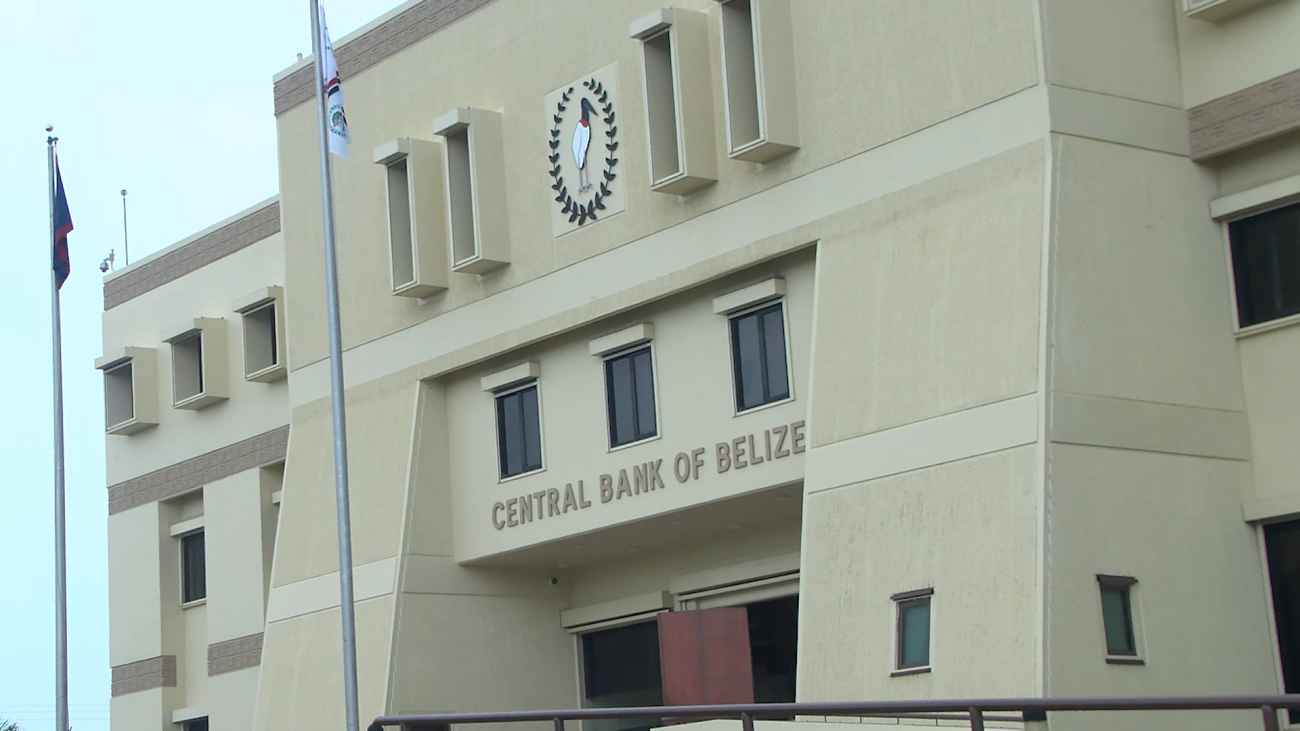
Online Scammers Hijack Central Bank’s Trusted Name
A routine Google Meet call could be the opening move in a banking scam. Fraudsters are displaying the Central Bank of Belize’s name to gain trust and steal sensitive financial information. The bank says it has received multiple reports and warns that it will never call requesting passwords, PINs or banking credentials. News Five’s Paul Lopez spoke with one man who answered a suspicious call bearing the Central Bank’s name. Here is his report.

Paul Lopez
Paul Lopez, Reporting
“If someone calls claiming to be from the Central Bank and asks for your personal information, hang up. The Central Bank says scammers are impersonating their representatives, and those calls cannot be trusted.”
The name on the screen may look legitimate, but the person behind the call could be trying to empty your account. The Central Bank says fraudsters are making calls through Google Meet and using the institution’s name to lower people’s guard.
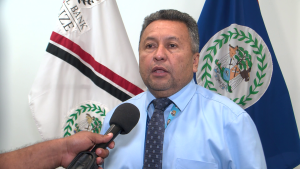
Marcos Marin
Marcos Marin, Manager, IT Department, Central Bank
“We got multiple reports that members of the public have been receiving calls via Google Meet using the Central Bank of Belize’s name to gain their trust and we want to make very important from the Central Bank of Belize, that these are fraudsters trying to deceive and gain information.”
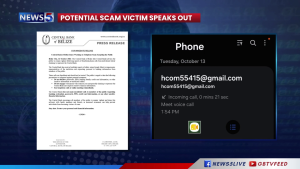 The calls are fake. The Central Bank says it will never contact members of the public to request private banking information. But when one potential victim saw the bank’s name appear on his phone, curiosity led him to answer.
 On the Phone: Potential Scam Victim
“That happened in the afternoon after one, like maybe one thirty. My phone rang and when I looked it marked on the screen Central Bank of Belize and I was wondering if I should answer it or not. I was like, why would Central Bank call me. I am not a big business person that deal with a lot of money, so why would they call me for anything. But I still answer the call and said hello about three times and nobody answer. You just hear noise in the background. So I just left the call on and in the background you could hear people the talk creole just like how I the talk right now.”
The call lasted only twenty-one seconds. No one spoke directly to him, but he heard people talking in the background before the caller disconnected. Other recipients have reported hearing foreign accents on similar calls. So why are scammers turning to Google Meet? The Central Bank believes the platform helps them hide their identity and cover their tracks.
 Marcos Marin
“Well first of all you can’t trace it and I think the fraudsters also want to disguise or cover their tracks. Normally the way they operate is try to gain your trust hence the reason why they use the Central Bank of Belize. Once they are able to gain your trust they develop and get that personal information. What we want to make also clear is to stop immediately, end the call, never give out any personal information and immediately report it to their financial institution.”
 The scam relies on psychological manipulation. By using the name of Belize’s financial regulator, fraudsters hope victims will trust the caller before questioning the request. Once that trust is established, the scammers can press for passwords, PINs, account details or other information that could give them access to the victim’s money. He recognized the warning signs and followed one simple rule: never give banking details to an unexpected caller.
On the Phone: Potential Scam Victim
“That is one thing I already get from my banker is to never give away any kind of personal information. Not even if somebody call me from, I deal with Belize Bank in PG, only they are here. They even tell me, even if someone calls me from Belize Bank and wants to know my personal information, never do that. Go to the bank and see someone.”
 But if you have already shared sensitive information, every minute matters. The Central Bank advises potential victims to change their passwords or PINs immediately, alert their financial institution and closely monitor their accounts for unauthorized transactions.
Marcos Marin
“I think we can provide some guidance here. One is to immediately try to change your password or pin, if you have the ability. Two, contact your financial institution immediately for them to act and definitely the third one is to monitor your transactions to see if any fraudulent transaction shows up. Monitoring is very key going forward, once you have divulged any information.”
The Central Bank’s message is simple: it does not make unsolicited calls requesting usernames, passwords, PINs, credit card numbers or other sensitive financial information. If its name appears on an unexpected call, do not trust the display. End the call, protect your information and contact your bank directly. Paul Lopez for News Five.
Attention readers: This online newscast is a direct transcript of our evening television broadcast. When speakers use Kriol, we have carefully rendered their words using a standard spelling system.
Watch the full newscast here: