


Connectivity Versus Conservation at Sapodilla Cayes
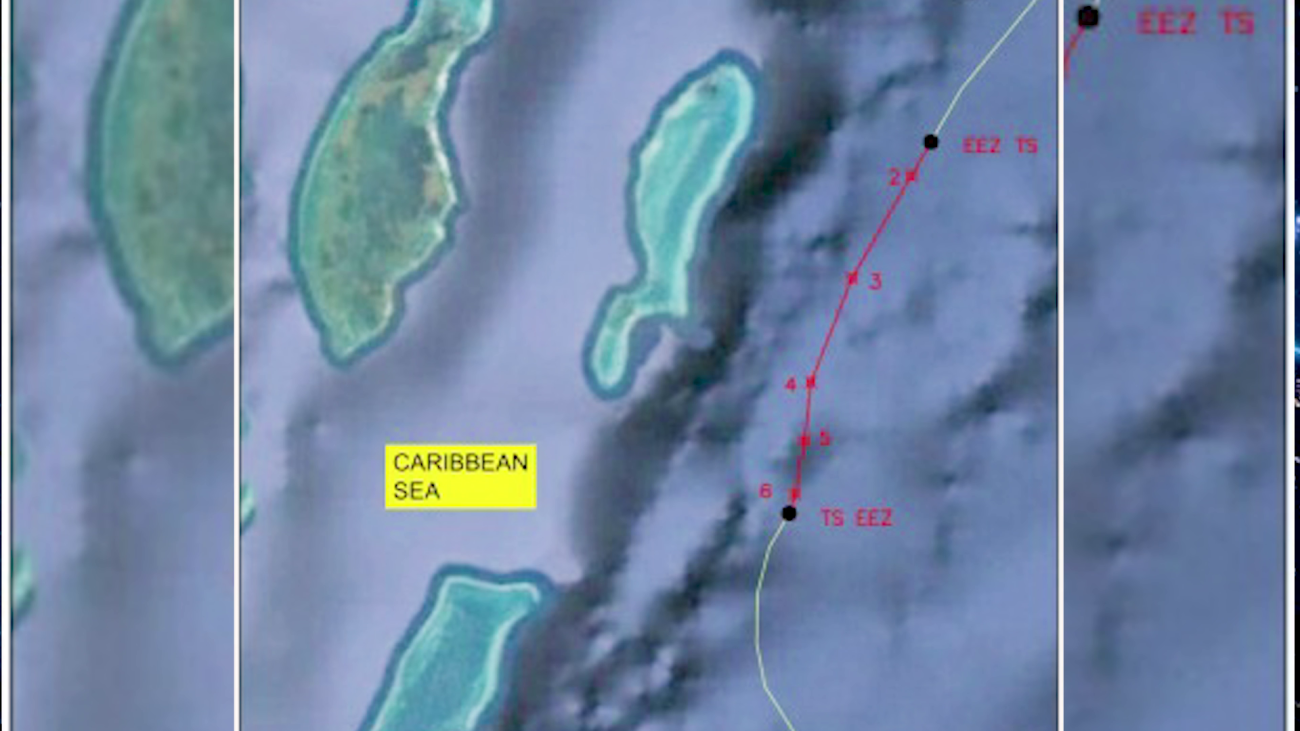
A major regional telecommunications project could soon run through one of Belize’s most protected marine areas. The proposed undersea cable would link Mexico, Guatemala and Honduras, but its route crosses part of the Sapodilla Cayes Marine Reserve. While the environmental study predicts minimal impact, it also identifies possible risks to coral, seagrass and the seabed, along with potential fuel spills. This morning, News Five asked TIDE Executive Director Leonardo Chavarria whether the proposed safeguards go far enough.
Leonard Chavarria
Leonard Chavarria, Executive Director, TIDE
“We have heard about it. It started about eight to six months ago. We were informed about it by the consultants that were actually tasked with laying down the cable. It is a Trans Americas Fiber System, TAM-1 Cable and in terms of our concerns about the laying of this cable through the Sapodilla Cayes Marine Reserve, it has not been too alarming and the reason being is that the cable’s intended location is in Conservation Area Zone 4, which is the biggest conservation area in the Sapodilla Caye Marine Reserve. But the specific area where the cable is going to be placed is not ecologically sensitive, it is not close to any coral reef areas, or fish spawning aggregations sites, it is mostly in what we call the deep sea fish zone. The majority of our concerns have been addressed and it seems to have minimal, almost to no impact, on for example, the marine ecosystems in Conservation Area Zone 4, with minor disruptions to the seabed where the cable is going to be laid.”
The project will commence after the EIA process is completed.
Attention readers: This online newscast is a direct transcript of our evening television broadcast. When speakers use Kriol, we have carefully rendered their words using a standard spelling system.
Watch the full newscast here: