


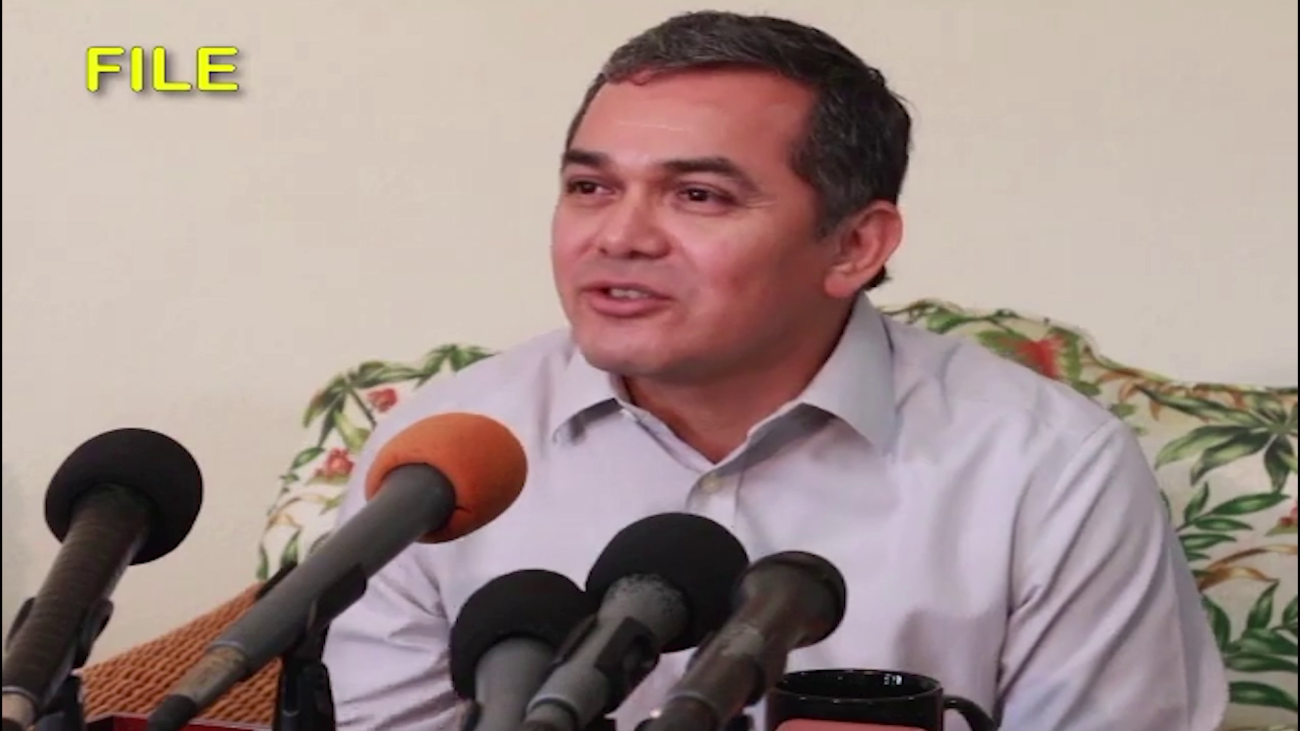
After Rosado’s Resignation, Attention Turns to Those Left Unheard
The resignation of Alexis Rosado may have closed one chapter of a public controversy, but it has opened another conversation that reaches far beyond Belize’s ICJ team. While Rosado continues to maintain his innocence and the matter remains before the courts, advocates say the debate has highlighted a difficult reality for people who come forward with serious allegations. They argue that public attention often focuses on the achievements, reputation and career of the accused, while the experiences of those making allegations receive far less consideration. Eleanor Murillo says that when public support focuses on high-profile accused individuals, it can discourage others from coming forward and leave complainants feeling unheard. We spoke with the National Women’s Commission executive director about how these public debates can affect those who choose to speak out.
Eleanor Murillo
Eleanor Murillo, Executive Director, Women’s Commission
“That is what we have been seeing. You know, our hearts are always with the survivors and your families. You know, and we want them to not give up, but let the system work for you. And we are seeing that. Where cases, in those cases, where children, even if they’re adults, no, they were children when they were sexually abused. And to say, you know, all the good things about this perpetrator, the alleged perpetrator, but never mentioning that we stand in solidarity with the survivor. It’s embedded in our culture. Men have always run things. And so, you know, when we look at the cabinet, who are in there? When we look at, you know, all the systems in place, who are at the highest level, who are making decisions? And so, maybe they cannot see it from the lens of the survivor and their families. They’re seen about this power and control, which is gender-based violence is all about power and control. And so, we support our people because, you know, so it’s very difficult. And what we need more voices to stand in solidarity with survivors. We have a case that we have followed up that the survivor, when she is so powerful with our support, she said she would not give up and we encourage her not to give up on her case. Each time I feel that you make three steps forward and bam, like you said, the perpetrator is a good person and a nice guy and a family man. So that takes back that person right back again into some type of depression. I am here doing the right thing in life, working whatever and there he is, they are bigging him up. When he beat me or he raped me or whatever it is, so it does set them back sometimes.”
Murillo says that dynamic can discourage reporting, deepen emotional trauma, and reinforce a culture where survivors feel they are fighting to be heard.
Attention readers: This online newscast is a direct transcript of our evening television broadcast. When speakers use Kriol, we have carefully rendered their words using a standard spelling system.
Watch the full newscast here: