



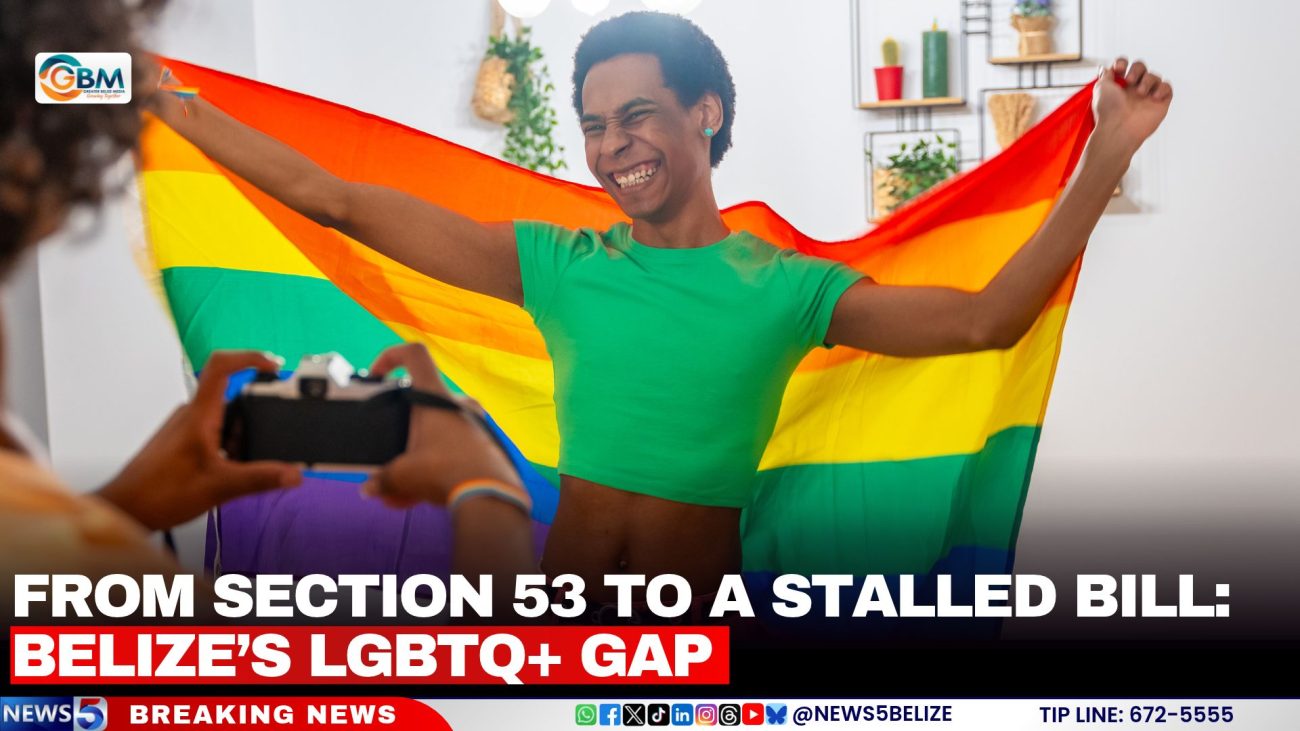
From Section 53 to a Stalled Bill: Belize’s LGBTQ+ Gap
Belize has removed criminal penalties for consensual same-sex relations, but broader legal protections against discrimination remain unfinished. A new ruling by the Privy Council in Trinidad and Tobago has brought that gap back into focus, which has prompted renewed questions about the pace of LGBTQ+ rights across the Caribbean.
The November 10 judgment allowed an appeal by LGBTQ+ rights activist Jason Jones. It found that provisions of Trinidad and Tobago’s Sexual Offences Act could not be applied to criminalise private, consensual sexual relations between adults of the same sex. Jones says the decision carries significance beyond his own country, with implications for people in other jurisdictions that retain the Privy Council as their final court of appeal.
In Belize, United Belize Advocacy Movement Executive Director Caleb Orozco says the ruling exposes the contradiction of Caribbean nations maintaining laws rooted in colonial rule while claiming to uphold independence and fundamental rights.
“How can you claim that you cherish your independence and you’re keeping these old norms to not only undermine your fundamental, the fundamental rights of your citizen,” Orozco said.
Belize decriminalised consensual same-sex intimacy in 2016, when the Supreme Court read down Section 53 of the Criminal Code. The Court of Appeal upheld that decision in 2019.
But decriminalisation did not settle the wider question of equal treatment. The proposed Equal Opportunities Bill, which would establish protections against discrimination in areas including employment, education and access to services, has yet to advance through the legislative process. It remains under development following calls for further consultation.
Attorney Amanda Clift-Matthews described the Privy Council judgment as “precedent-setting”, saying, “It’s very important, and I think what we will see now is probably a trend towards abolition of these type offenses, either through parliament who decides to take the lead and just get rid of them, or through challenges through the courts. But it will probably happen at a local level because you’ve now got the ruling from the highest jurisdiction.”
She added, “But the ruling does not automatically bind every Caribbean country. Trinidad and Tobago still uses the Privy Council as its final court of appeal, while Belize falls under the Caribbean Court of Justice.”
For Belize, Orozco says the next challenge is securing broader protection against discrimination. The proposed Equal Opportunities Bill, which has not advanced through the legislative process, remains under development.
He argues that without political leadership, citizens will continue to rely on the courts to demand equal treatment.