


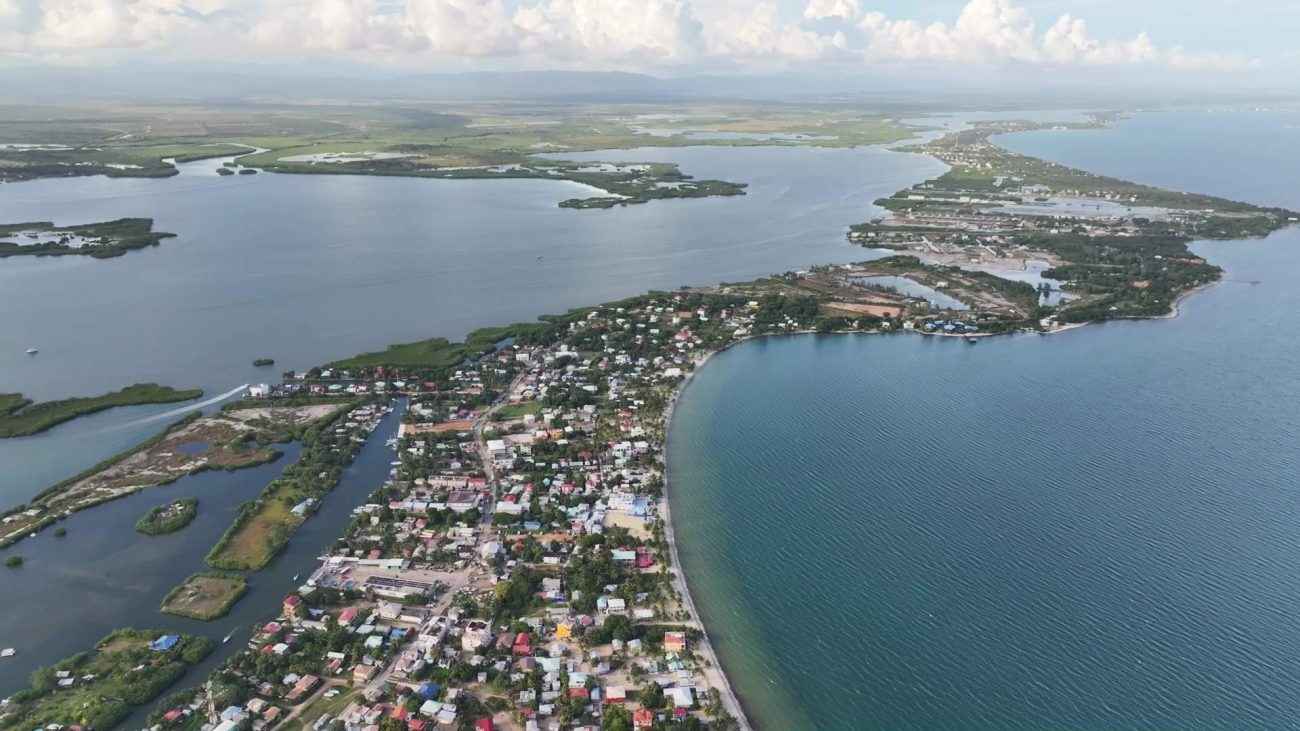
Erosion Threatens Homes and Livelihoods in Placencia
Imagine waking up to find the beach outside your home shrinking day by day. That’s the reality in Placencia, where the coastline is disappearing faster than anyone expected. Shops and homes are inching closer to the water, and every high tide feels like a warning. So, what’s causing this erosion, and what can Belize do to protect a community built on sand? Tonight, we take a look at the urgent fight to keep Placencia’s shore, and its future, intact. Here’s News Five’s Isani Cayetano with the following story.
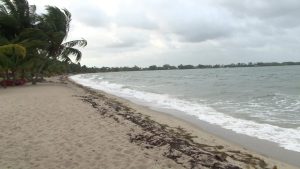 Isani Cayetano, Reporting
The Placencia coastline is eroding, and fast. Homes and shops are edging toward the water, and with each high tide the pressure builds, how do we protect a community built on the beach? We’re asking what action Belize needs now to keep Placencia’s shore, and its future, intact.
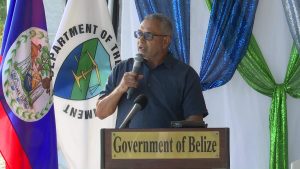
Orlando Habet
Orlando Habet, Minister of Sustainable Development
“Over the years, as residents, you have all witnessed firsthand the loss of beaches, the collapsing shoreline, saltwater intrusion and the threats to homes, tourism facilities and livelihoods. The current reality affecting the peninsula is serious and requires collective action. It requires an all hands on deck approach. We all have to do our part to play in correcting this issue. This erosion is not only reshaping the coastline, it is affecting the social wellbeing, economic stability and community safety. It is causing a level of economic uncertainty along the peninsula that has never been experienced before.”
 The Department of the Environment has just endorsed a comprehensive scientific study to uncover the causes of this erosion and chart a path toward recovery. Beyond the technical specifics lies a broader dialogue about climate resilience, development priorities, and whether Belize can strike a balance between economic progress and environmental preservation.
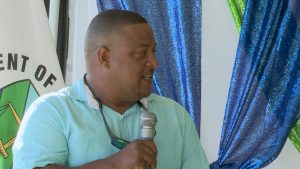
Warren Garbutt
Warren Garbutt, Chairman, Placencia Village Council
“Coastal erosion threatens our homes, our livelihoods, and the natural beauty that makes Placencia Peninsula a special place for residents and visitors alike. Recognizing the importance of protecting our coastline, this initiative brings hope for sustainable and effective solutions aimed at addressing our erosion problem. Together, we can preserve the integrity of our beaches, we can safeguard our environment, and we can ensure that the future generations can continue to enjoy the stunning landscape that defines the Placencia Peninsula.”
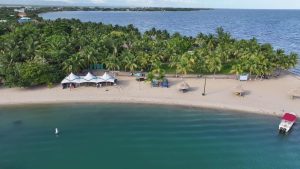 For years, the Strong Coasts team has conducted field research here; water-quality assessments, mangrove monitoring, and marine biodiversity surveys. Dr. Maya Trotz, a professor at the University of South Florida has been leading that charge.
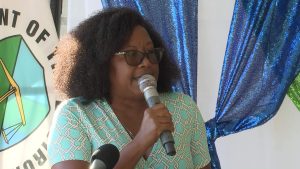
Dr. Maya Trotz
Dr. Maya Trotz, Professor, University of South Florida
“March 10th, 2025, I was here in Placencia and I witnessed a group of Placencia residents moving rocks at a business and it struck me, we were in year three of a five-year project funded by the U.S. National Science Foundation, looking at nature-based solutions for people and nature, in particular, coral reefs and mangroves. And many on my team would tell me that the peninsula didn’t really represent the type of coastal environment we were proposed to study. We were looking at more a Caye Caulker that was close to the reef, dealing with erosion problems that were dealing with storm surges coming in and not other things that may have been contributing to erosion.”
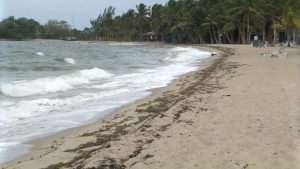 To bridge the gap, the DOE is partnering with Community and Practice and the University of South Florida on a study of the Placencia Peninsula’s coastal dynamics, erosion drivers and severity, restoration sand sources, and science-based engineering measures to protect infrastructure.
Orlando Habet
“This initiative will not just generate another report, it is the foundation for real, long-term solutions. Over the next few months, the consultants will gain a comprehensive understanding of how the coastal system functions, diagnose the causes, intensity and magnitude of the erosion process, conduct topographic, hydrographic and bathygraphic surveys from Riversdale to Placencia and analyze sediments from beaches, from rivers and offshore areas.”
Isani Cayetano for News Five.