


GOB Pushes to Renew Sugar Industry Tax Breaks Amid Opposition Criticism
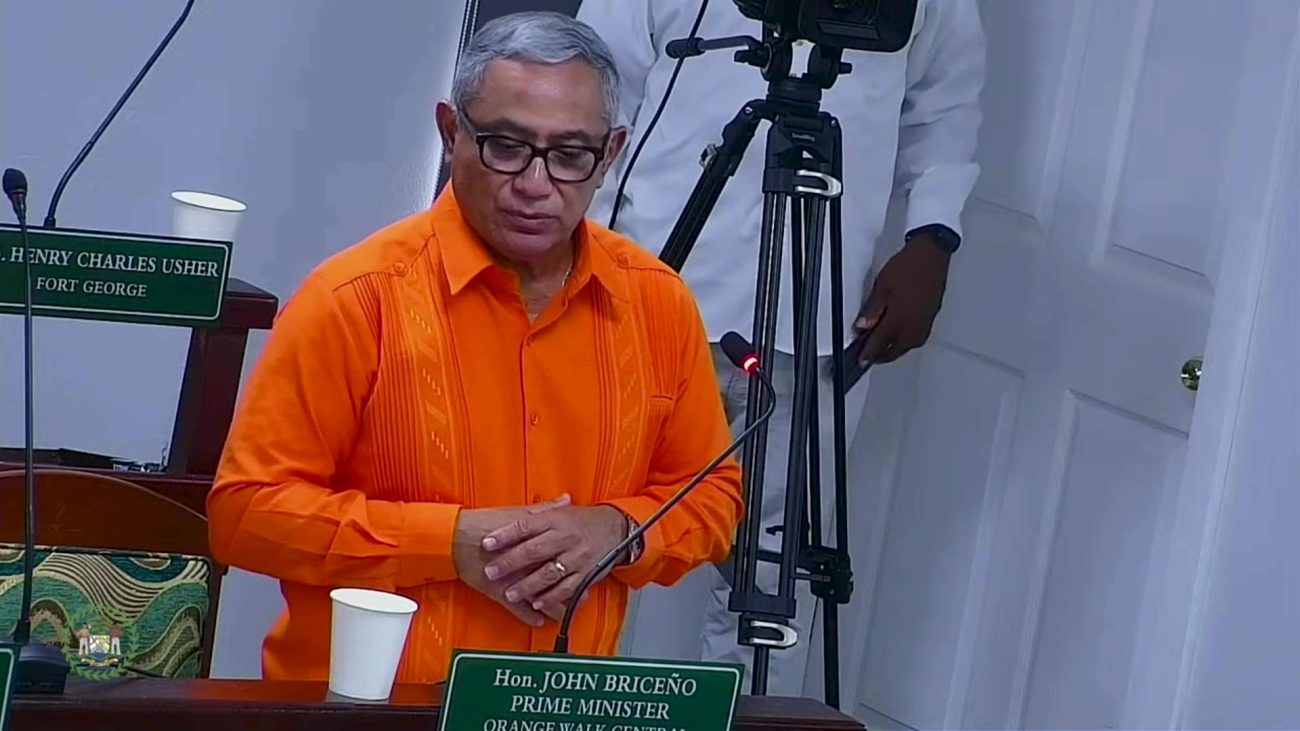
The Briceño administration is moving to keep a major tax break alive for ASR/BSI and its BELCOGEN energy plant. That tax holiday, first introduced back in 2012 under the previous administration, gives the company exemptions on business taxes and duties. Prime Minister John Briceño says the sugar industry is facing serious challenges and met with Cabinet to make the case for renewing those incentives. Critics aren’t exactly lining up in support; Opposition Leader Tracy Panton is questioning whether this decision reflects sound fiscal management and balanced policy.
Prime Minister John Briceño
“I really hope we don’t make this political. The very same act the previous administration past, the owners of BSI met with us, even addressed Cabinet, to express the deep challenges we are meeting as an industry with both the cane farmers and BSI. In this instance, they have been making substantial investments in their factory, but they have been having so many challenges, such as not getting the right amount of cane needed and the rising cost of operations and so forth and the continued need for more investments to modernize the sugar mill and cogeneration plant. I think they made a compelling argument that they needed the act before to be extended. And that is what we are doing.”

Tracy Panton
Tracy Panton, Leader of the Opposition
“I rise to contribute on the debate on the bill that seeks to extend sweeping tax holidays and exemptions to BSI and BELCOGEN for another two years. What is ironic is that even with these incentives and tax breaks there is a proposal before the PUC as we speak for an increase in energy cost to the consumer of almost fourteen percent. I want to be clear the sugar industry is vital to Belize. It is vital to Belize’s economy. It is vital to our farmers and families and to providing much needed jobs, particularly in the north. But let us examine what this bill represents. Does it represent a balanced policy, sound fiscal management and equitable treatment for all stakeholders, especially the cane farmers who remain the most vulnerable link in the chain.”