


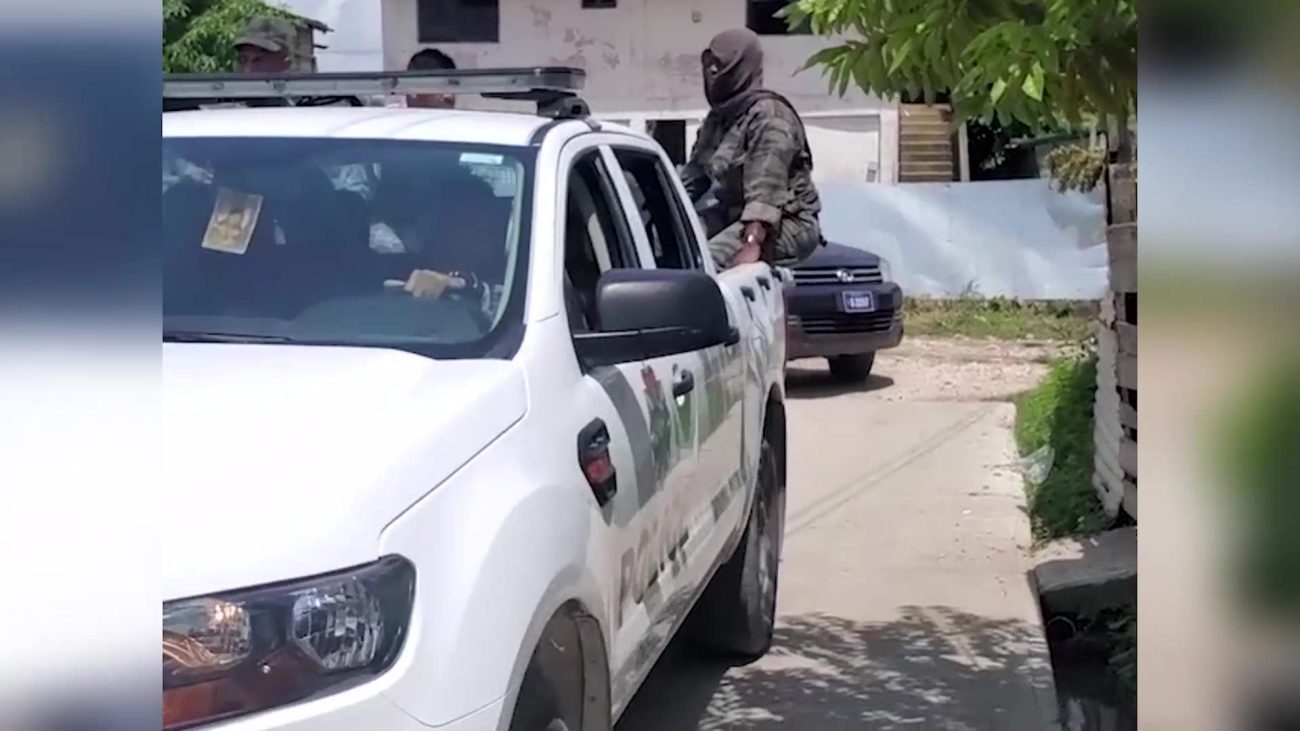
Young Belizeans Decry Gang Charge Tactics
Young people from some of Belize City’s most underserved neighborhoods say they’re being unfairly targeted under the country’s gang laws. They claim police are slapping them with repeated gang charges based simply on where they live or who they happen to be around, raising tough questions about profiling, due process, and how the legislation is actually being enforced on the streets. But former Minister of Police, Kareem Musa, is pushing back on those claims. He insists these detentions aren’t arbitrary, and that officers must rely on solid evidence and fresh investigations before anyone can be charged, or re‑charged, as a gang member.

Kareem Musa
Kareem Musa, Former Minister, Home Affairs
“I know that whenever individuals are detained, they go through a rigorous investigation process in determining whether they are members of gangs, whether it’s from photographs, from Facebook posts, from interrogating individuals in the community, getting evidence to leading to that. And so there may be instances where individuals are detained, but perhaps it’s because they are starting an investigative process. Because you can’t just charge without having the evidence to lead to that charge. So that’s something that eventually I would think that comes, noh, the charges.”
Reporter
“I know a lot were pleading guilty. They cannot be charged again for being a member of a gang.”
Kareem Musa
“Yes. So if you are convicted of being a gang member and after that conviction, you come out and you continue to operate as a gang member or leader, new evidence can be created against you from the date of your conviction, obviously, to the date of your next subsequent trial of being a gang member. And so it would have to be new evidence. It can’t be relying on old evidence that led to your conviction.”