

Mother Seeks Accountability After Infant Dies at KHMH
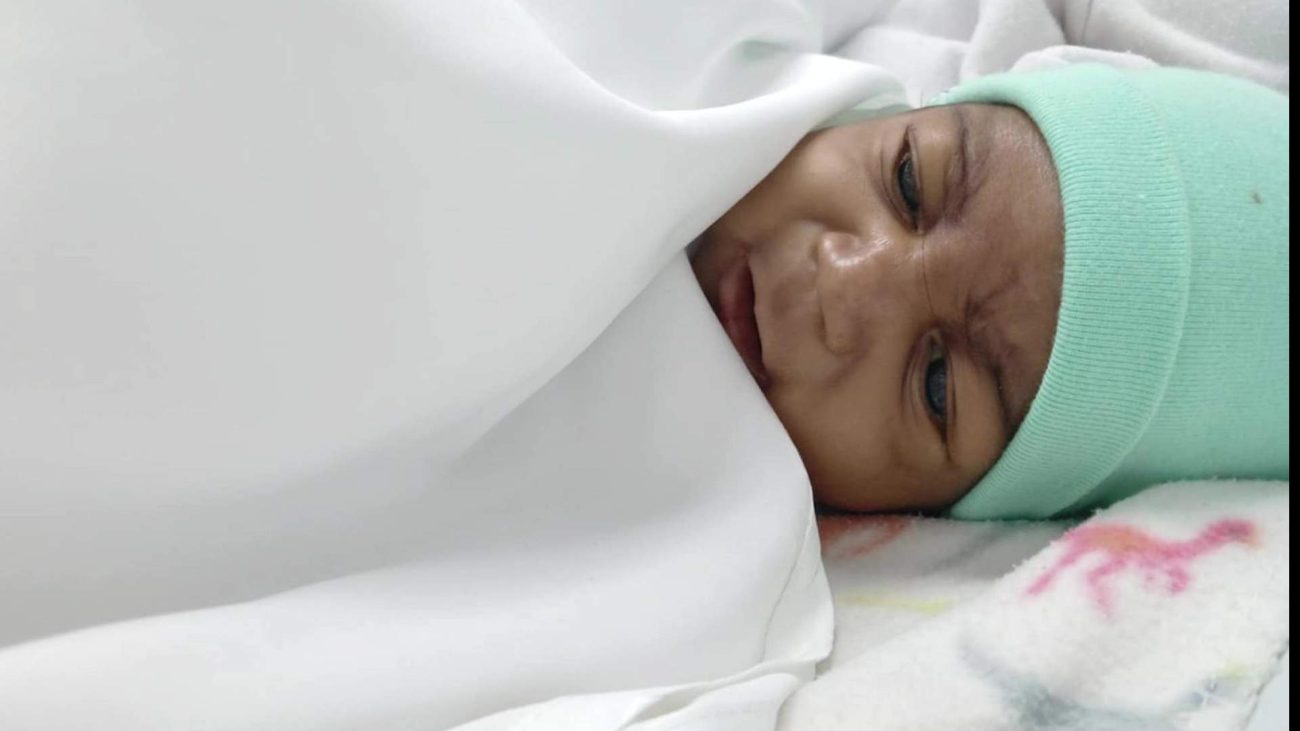
A heartbreaking loss at the Karl Heusner Memorial Hospital continues to raise tough questions tonight, after a two‑month‑old baby died while receiving care at the country’s main referral hospital. His mother is now demanding answers about what went wrong and whether more could have been done. Tonight, we look at Baby Damani’s short life, his sudden passing, and the call for accountability that’s following. News Five’s Paul Lopez reports.
Paul Lopez, Reporting
A Belize City mother is searching for answers tonight after the heartbreaking loss of her two‑month‑old baby boy inside the Karl Heusner Memorial Hospital. Alicia Kuylen says she rushed little Damani to the hospital after a clinic referral, she’d noticed he suddenly stopped feeding, and she knew something wasn’t right. Now, after his unexpected passing, she’s demanding to know what happened in those critical moments of his care.

Voice of: Alicia Kuylen
Voice of: Alicia Kuylen, Mother of Baby Damani
“They were trying to withdraw blood from him and they couldn’t get blood, so they could not get the blood. So, they pricked all over his body, his hands, foot, everywhere. The baby was just crying, laying there and I asked the lady if they could please give him something to drink because he did not want to take the bottle. She said, what are you giving the baby to drink, right now I will make a bottle because this baby does not look like you are taking good care of him.”
Kuylen isn’t new to motherhood, she has two other children. But baby Damani, born prematurely at just thirty‑six weeks, faced added health challenges from the very start.
 Voice of: Alicia Kuylen
“We came out the next day. I feel like baby belongs to stay in hospital for observation, because they know as medical professionals that a baby liver is not fully developed as yet. I am not a medical professional. Just like how unu look at the baby and say he is alright, that is the same thing I did. I looked at my baby and said he is alright until his eyes started getting yellow. So I feel like they failed me from birth because my baby was born premature.”
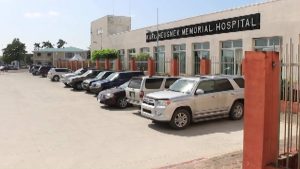
Damani passed away while receiving care at the KHMH, shortly after his mother became worried about changes in his feeding. He underwent a blood transfusion. Kuylen alleges that the hospital used blood that was twenty-nine-days-old because it matched his blood type and was readily available at the time.
 Voice of: Alicia Kuylen
“Then you see ih chest start move fast then I see my baby just stop move right then and there, then I get my phone because I don’t know what to do because the lady was in there and I saw her pressing her chest. But I done sih ih dead. I literally see my baby stop moving there and then the lady the press ih chest but I done sih ih dead. I literally see my baby stop breath deh. This happen five fifty-one a.m. This lady the press my baby chest. I get my phone and I the cry. I try call my sister but my sister never answer cause it is early. And I call my friend and I told him my baby just dead. He told me to keep the faith. I told him, how can I keep the faith if I done see he took his last breath.”
 It’s the raw, trembling voice of a mother mourning her baby, a pain still fresh, barely a few weeks old. But, when a hospital says it is “deeply empathetic,” what does that mean for grieving parents still searching for answers? The Karl Heusner Memorial Hospital Authority has issued a statement following growing public concern and News Five’s reports about the deaths of several infants under its care. In carefully chosen words, the hospital expressed condolences, emphasized compassion, and pointed to complex medical conditions, prematurity, congenital defects, malnutrition, as contributing factors in what it described as “high-risk” cases.
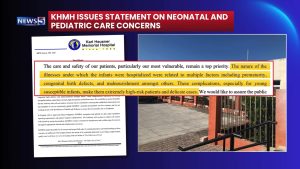 But for many families and members of the public, sympathy alone is not enough. How many infant deaths prompted this response? Over what period of time did they occur? Were there warning signs that systems were failing the hospital’s most vulnerable patients, and if so, were they acted upon? While KHMH insists that clinical protocols remain in place and that neonatal and pediatric services are continuing, the statement offers few concrete details about what went wrong, what is being reviewed, or what will change moving forward.
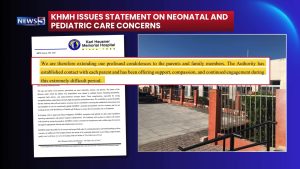 The hospital says it is working closely with the Ministry of Health and Wellness and is bound by confidentiality and mandatory reporting laws. Those obligations are real, but so, too, is the public’s demand for accountability when newborn lives are lost inside a national referral hospital. Transparency, KHMH says, is a priority. The question now is what transparency will look like in practice, and whether it will bring clarity, reform, or reassurance to a shaken nation. As parents mourn and trust in the health system wavers, the spotlight remains firmly on KHMH: Were these tragedies unavoidable medical realities, or do they point to deeper, systemic issues in neonatal and pediatric care that can no longer be ignored?
Voice of: Alicia Kuylen
“For them to say all these bad things about me. That make me feel bad. That makes me question myself I just want this all be over, like honestly.”
As investigations continue and families seek accountability, the nation watches closely for the transparency and reform that grieving parents say are long overdue. Reporting for News Five, I am Paul Lopez.