


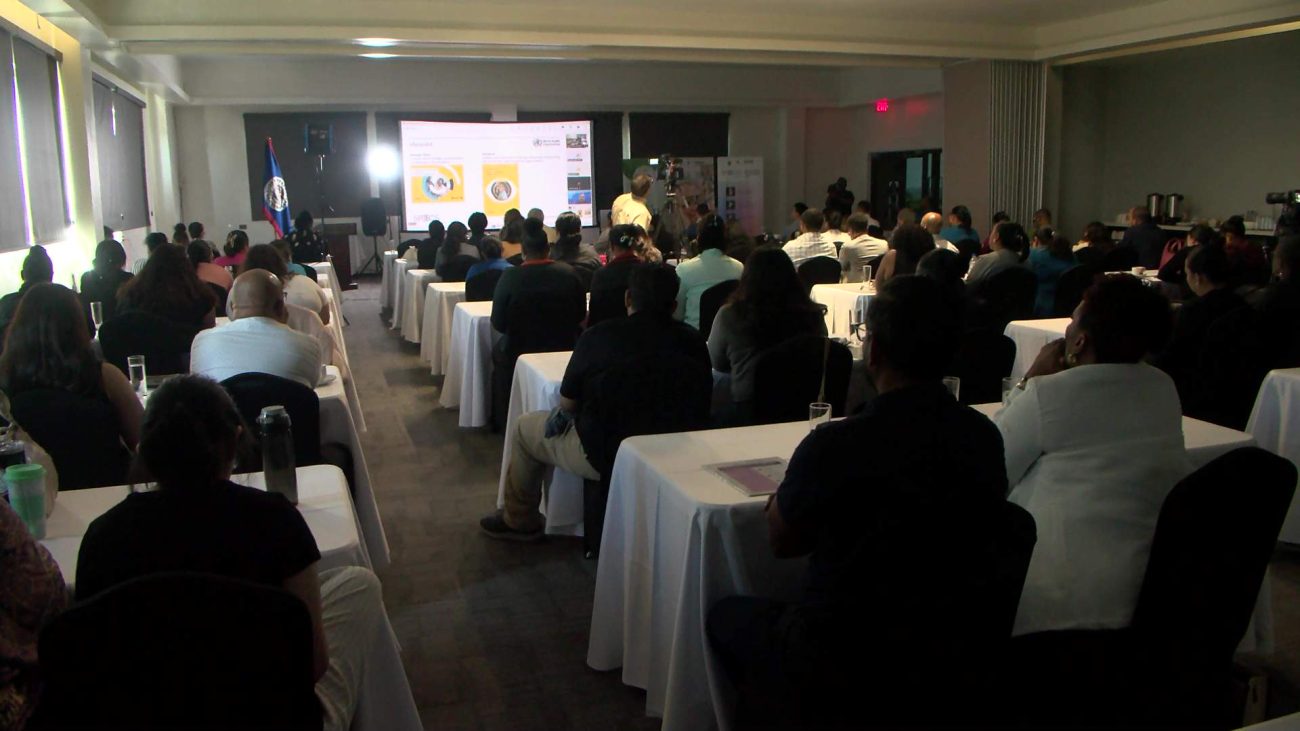
Belize Joins Challenge to Increase Glasses Coverage by Forty Percent
Belize has officially joined the global WHO SPECS 2030 initiative. The program, launched globally in 2024, targets uncorrected refractive errors which remains the leading cause of vision impairment worldwide, and aims to increase access to affordable glasses by forty percent. News Five’s Britney Gordon tells us why this matters.
 Britney Gordon, Reporting
For millions of children and adults, clear vision remains out of reach. Uncorrected refractive error is the world’s leading cause of vision impairment. According to the World Health Organization (WHO), two out of three people in low-income countries are unable to access the spectacles they need. Today, Belize took a major step to combat this issue by joining the WHO Specs initiative.
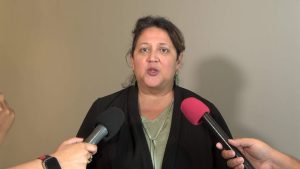
Melissa Diaz-Musa
Dr. Melissa Diaz-Musa, Director of Public Health and Wellness
“WHO Specs 2030 is a global initiative that that has been launched where they’re trying to ensure that persons who have a vision impairment or vision issues have readily accessible screening cost effective services in order for them to improve their site. As I had mentioned in the opening remarks, there are about two point two billion persons who suffer worldwide with visual issues and one billion of those persons have not had access to get testing and to get glasses to improve their vision.”
The initiative is built on five strategic pillars: Services, Personnel, Education, Cost, and Surveillance. Carla Ayres-Musa, Executive Director of the Belize Council for the Visually Impaired explained that it seeks to improve eye care delivery, train professionals, raise public awareness, lower costs, and strengthen research.
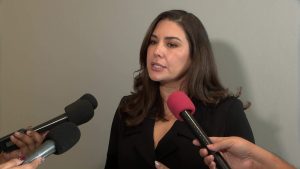
Carla Ayres Musa
Carla Ayres Musa, Executive Director, BCVI
“We’re looking at opportunities to be able to provide more services accessible, equitable, and affordable services for people throughout the country, regardless of cost or where they may live. It’s something that we do as an organization already, but what the WHO Specs 2030 Initiative does is open up doors to a more holistic approach, an all of society approach that brings the Ministry of Health and BCVI together with. One Sight, Essilor Luxoticca Foundation and the Pan-American Health Organization and World Health Organization to be able to look at the statistics of refractive error throughout the country.”
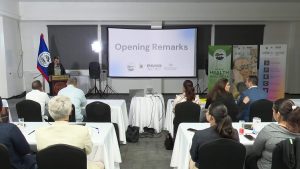 The initiative, according to Director of Public Health and Wellness, Dr. Melissa Diaz-Musas, aims at increasing glasses coverage by forty percent in the next four years.
Dr. Melissa Diaz-Musa
“This launch is just the beginning of the launch, we will be working closely with BCVI because BCVI has offices in all of our facilities and BCVI and the Ministry of Health and Wellness will work together to improve screening. So places that we would like to ensure that people are screened. Schools, for example. We do have many students who might not have been picked up or have never visited an ophthalmologist or optometrist to determine whether or not they do need glasses for reading or seeing the board.”
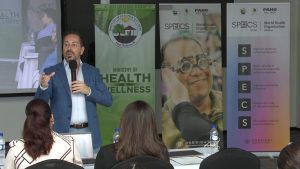 Ayres-Musa says that community outreach will play a crucial role in that everyone, even those reluctant to begin using glasses will take the steps needed to care for their eyes, especially as they age.
 Carla Ayres-Musa
“We’re looking at human resource development as a key component of specs focus, and as well as our focus. It’s something that if you look throughout the country and you think about like, well, where can I go see an eye doctor? I can’t see properly where, what are my options? At BCVI? We have five clinics throughout the country, and those are equipped for staff by an ophthalmic assistant and an optometrist. We want to be able to increase the reach that we have, so not just waiting for people to come to us. We want to be able to go out and do more.”
With the help of stakeholders across the health sector, Belize is on its way to ensuring that children, adults, and older populations alike receive the eye care they need. Britney Gordon for News Five.
Attention readers: This online newscast is a direct transcript of our evening television broadcast. When speakers use Kriol, we have carefully rendered their words using a standard spelling system.
Watch the full newscast here: