


Climate Financing to Strengthen Sugar Industry
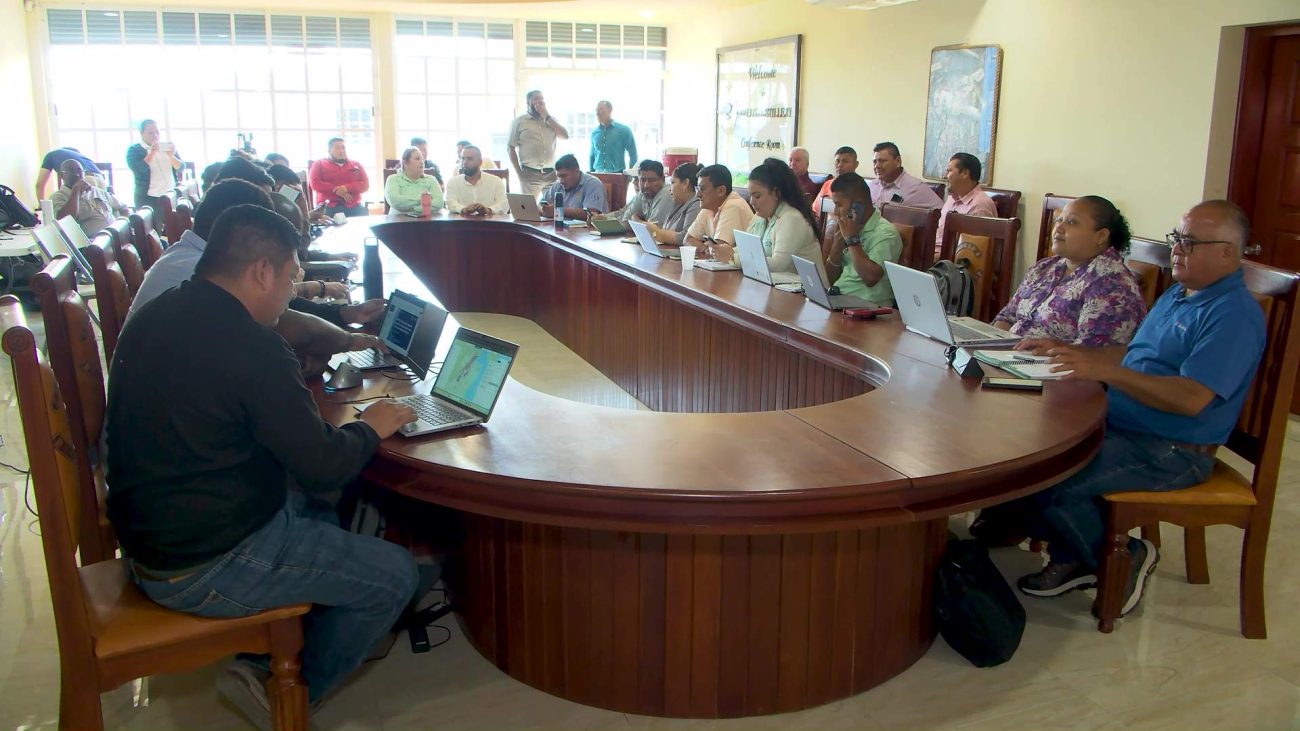
Sugar cane farmers in the north are getting a sweet boost in the form of a multi-million-dollar climate resilience package. In San Jose Palmar Village, Orange Walk District, local and regional stakeholders came together to kick off the BACSuF initiative, short for Building the Adaptive Capacity of Sugarcane Farmers in Northern Belize. News Five was there and Shane Williams reports.
 Shane Williams, Reporting
In the heart of cane country, industry leaders, government officials and international partners came together to discuss the future the industry. The BACSuF project is being implemented by the Caribbean Community Climate Change Centre (5Cs) with a twenty-five million U.S. dollar grant funding from the Green Climate Fund (GCF). It’s aim is to help farmers adapt to a changing climate.
Candace Leung Woo-Gabriel
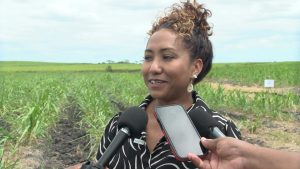
Candace Leung Woo-Gabriel, Portfolio Manager, Green Climate Fund
“This project is funded by the GCF with grant funding twenty-five million, thirteen million co-financing. It’s meant to focus on the farmers and making sure access to the farmers is met. So how the project was designed and structured, the GCF comes in and derisk the investment. So in the project we actual fund the mechanism to give the seeds to the farmers. So that risk is alleviated and they get the funding for the seeds to begin that process. And also the training is encompassed within that. And not only the seed provision and the training but to create that market mechanism and to make sure that the process is climate-smart so that there is continuity after the project which is about five years.”
 The GCF supports climate adaptation and mitigation projects across developing countries, and representatives say BACSuF underscores that mission by targeting one of Belize’s most climate vulnerable industries. Project Manager Darrel Audinette explained that the initiative rests on three main pillars.
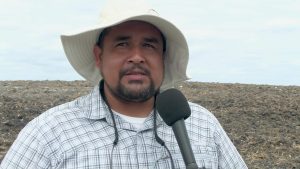
Darrel Audinette
Darrel Audinette, Project Manager, BACSuF
“Right now the industry is about seventy percent of one variety, so what that means is we are dependent on one variety being successful. That component of the project is the main one. What we are looking at from a menu of eleven varieties, we want to be able to replant ten thousand acres. That would allow us to have diversity within the industry. Diversity means that you have better sustainability within the industry. That’s one of the objectives. The second objective is introducing irrigation and soil management, very critical components to any industry. The sugarcane industry is a rain-fed industry. What that means is it is dependent on the rain. What we want to do is introduce new technology irrigation systems that would enable us to be more predictable in terms of the growth process. Soil health is another important element under that component and so we need to renovate, rejuvenate our soils because generation upon generation of cane farmers have been planting on the same soils. And so the idea of this component is to add biologicals, rejuvenate the soils. And then the last component of it is a major component is looking at the transformation of the industry from both a technological standpoint but in terms of practice, agronomic practice”
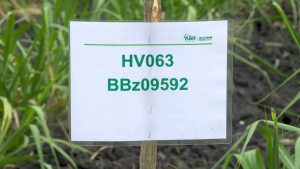 Ryan Zuniga, Senior Project Coordinator at 5Cs, spearheaded the proposal. He says success will be measured not only by acreage replanted, but by improved yields, stronger farmer incomes and long-term resilience against droughts and floods.

Ryan Zuniga
Ryan Zuniga, Lead Senior Project Development Specialist, CCCCC
“As the executing entity, the Five Cs ensure that all the deliverables and output of the project are realized. So the project has several investment activities and so the Five Cs work with other partners to ensure that it comes to fruition on the ground.”
Shane Williams
“How will you all ensure that the farmers on the ground, the most vulnerable, are the ones who benefit?”
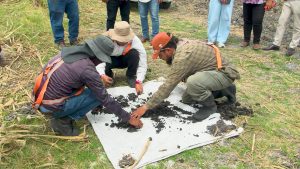 Ryan Zuniga
“That’s a very good question, So this project was designed by the farmers for the farmers. So the entire design of the project took into consideration how we can ensure that the farmers benefit fully from the investment. So for example what we saw today was the varieties. These varieties were developed so the farmers can have seed, actually free of charge. So these seeds are going to be paid for by the project and use as a method to subsidize the replanting cost of the farmers.”
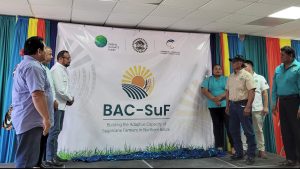 Minister of State in the Ministry of Economic Transformation, Dr. Osmond Martinez, says oversight and additional support mechanisms will be rolled out simultaneously with the BACSuF project.
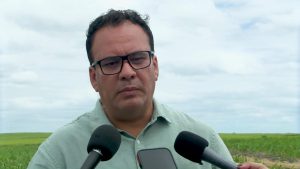
Osmond Martinez
Dr. Osmond Martinez, Minister of State, Ministry of Economic Transformation
“What has been approved by Cabinet is a hundred and twenty million Belize dollars for the next five years so as to help with farmers’ debt. So the farmers are highly indebted, so there is very limited to no cash flow whereby they can continue to invest in the industry. The second point is replanting. While forty percent of the industry will enjoy replanting under this program, we also have issues that we have sixty percent that we will continue to facilitate through a loan systems to the farmers whereby they can continue to do replanting.”
The hope is that by combining international climate financing with local expertise and farmer participation, the BACSuF project will not only safeguard Belize’s sugar industry but future-proof it. Shane Williams for News Five.
Attention readers: This online newscast is a direct transcript of our evening television broadcast. When speakers use Kriol, we have carefully rendered their words using a standard spelling system.
Watch the full newscast here: