


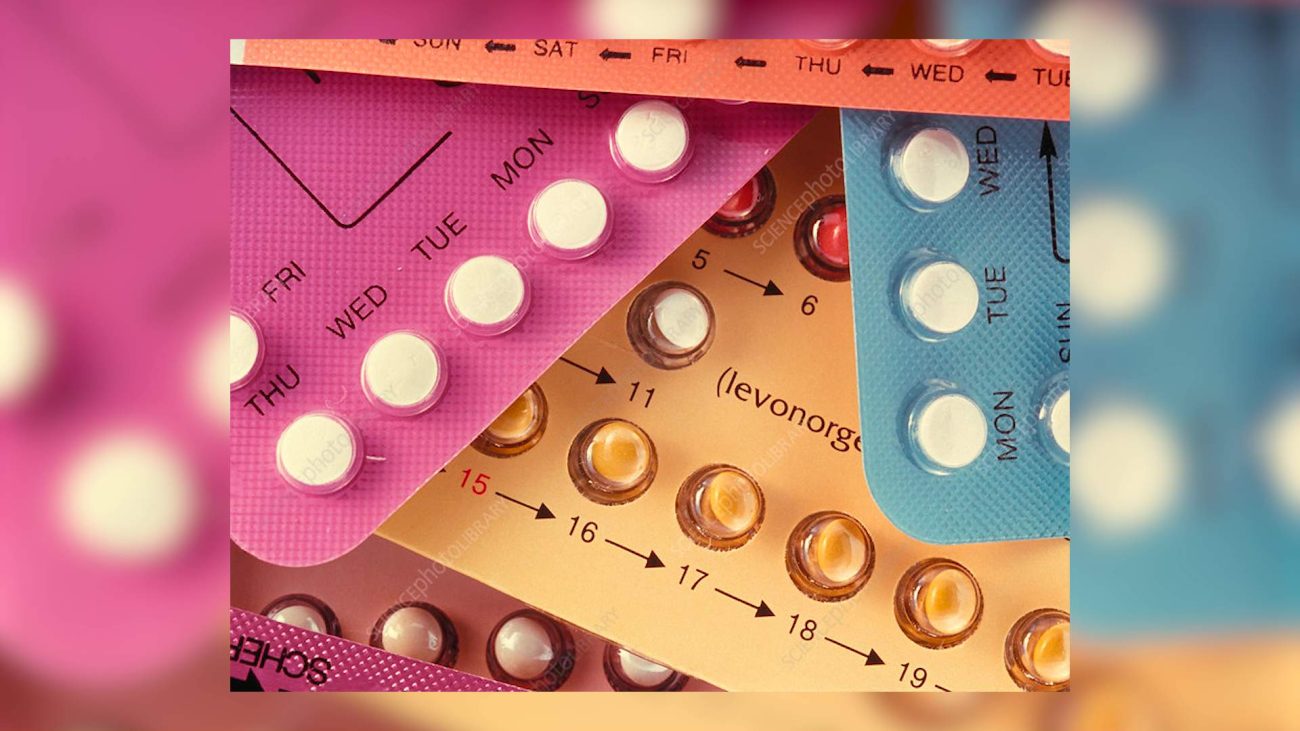
Why Now? Belizeans Question Sudden Prescription Enforcement
What used to be a quick stop at the pharmacy is now sparking a nationwide conversation. As the Ministry of Health and Wellness cracks down on prescription-only medications, Belizeans are pushing back, asking why drugs they’ve bought for years without a doctor’s note suddenly require one. Officials insist the rules aren’t new, but this tougher enforcement is raising fresh concerns about affordability, access, and gaps in healthcare. With public pressure mounting, the ministry is rethinking its approach. Shane Williams takes a closer look at what’s driving the backlash and what it could mean for patients.
 Shane Williams, Reporting
A move the Ministry of Health and Wellness says was about protecting patients has instead ignited a countrywide debate. By suddenly enforcing long‑standing rules that require prescriptions for medications Belizeans have long bought over the counter, including contraceptives and drugs for chronic illnesses, the ministry caught many by surprise. The public outcry was swift, with women, young people, and patients managing long‑term conditions warning that the rule could shut them out of care. Now, under growing pressure, the ministry is hitting pause and rethinking its next steps.
Melissa Diaz- Musa
Dr. Melissa Diaz- Musa, Director of Health Services, MOHW
“Now when it comes to refills, I think as I mentioned before, and I want to mention it again, the refills can be given by your doctor, your nurses, sometimes they have it there in the office that they would give you three months of the contraceptives that you’re on, provided that you’re all your concerns have been addressed and you don’t have any issues with the contraceptive that you’re on. So it’s important that to, to stress, you do not have to go to your doctor every month to get your prescription.”
Dr. Melissa Diaz‑Musa, Director of Health Services, says doctors can write prescriptions that last several months, reducing the strain on patients.
 Dr. Melissa Diaz- Musa
“I would like to also mention that we will do a phased in approach for general prescription meds, and we’re going to give a twelve-month phase in so that we have the opportunity to do the full patient information campaign and to meet with the pharmacist as well, and to get buy-in from all parties that are involved in ensuring that patients can have access to care.”
 Still, advocacy groups warn that adding barriers to birth control could have serious consequences as the country already struggles with adolescent pregnancy. The latest MICS data shows a national adolescent birth rate of fifty-eight births per one thousand girls aged fifteen to nineteen and thirteen-point-four percent of young women give birth before age eighteen. Health advocates warn that adding barriers to contraception could make access even more difficult for teenagers, potentially driving those numbers higher instead of lowering them.
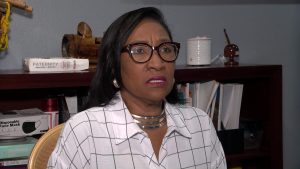
Joan Burke
Joan Burke, Executive Director, BFLA
“My reaction, and it’s also an appeal to the decision makers, to let’s rethink this. Because I look back now at the last census or the last survey that was done to look at the unmet needs for family planning unmet needs was at fifteen percent. And I can see that just increasing when, especially when compared to other Caribbean countries and to Central America.”
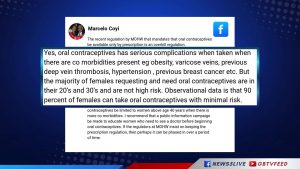 Medical professionals are also pushing back on what they call exaggerated fears about birth control. Gynecologist Dr. Marcello Coyi took to Facebook today, saying that more than ninety percent of women can use contraceptives safely. While some risks exist for women with certain health conditions, he’s urging a phased rollout of prescription rules, paired with strong public education, an approach the Ministry of Health and Wellness now appears to support.
Dr. Melissa Diaz-Musa
“I can say here that one. We were not aware of the amount of people who go into a pharmacy and purchase prescription medications without a prescription. And two, we did not conduct the number of consultations that we should have to sensitize and to inform the public of the differences between the. Over the counter medication and the importance of getting a prescription for prescription only medication. A large scale public health campaign should have been conducted simultaneously with the discussions that we had with store owners and the pharmacy association, and this is acknowledged here today.”
 The ministry’s proposed twelve‑month phase‑in was supposed to buy time for public education and talks with pharmacists and other key players. But another flashpoint is now stealing the spotlight, enforcement of a rule that bans children under twelve from buying medication. In many Belizean homes, that job often falls to grandchildren picking up medicine for elderly relatives who can’t easily get to the pharmacy. Critics worry that the rule could unintentionally punish families just trying to get by. Officials insist the regulations aren’t new, but concede that how they enforce them could make all the difference. Shane Williams for News Five.
Attention readers: This online newscast is a direct transcript of our evening television broadcast. When speakers use Kriol, we have carefully rendered their words using a standard spelling system.
Watch the full newscast here: