


National Bus Company Keeps Rates Unchanged
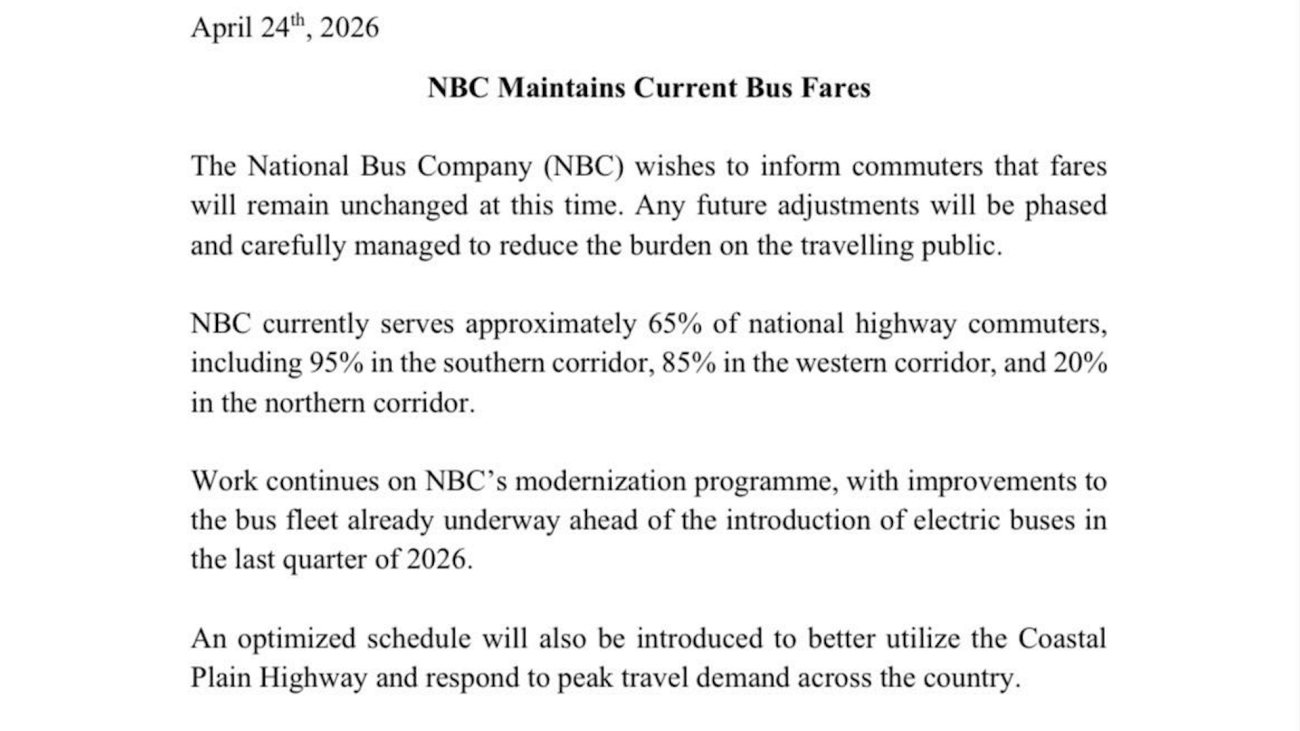
Amid all the talk of rising bus fares, there’s some welcome news tonight for thousands of commuters, especially in the south. The National Bus Company says its fares will stay put for now. NBC carries about sixty five percent of highway riders nationwide, including nearly all commuters in the southern corridor, where the highest fare increases were recently approved. That means passengers traveling from Punta Gorda to Belize City won’t be paying more, at least not yet, if they’re riding with NBC. Still, Transport Minister Dr. Louis Zabaneh cautions that the company could revisit its rates if fuel prices continue to climb.
Louis Zabaneh
Dr. Louis Zabaneh, Minister of Transport
“You would be seeing an NBC press release this afternoon in which NBC has announced it will not be raising it rates at this time, but they reserve the right to do that in the event fuel prices keep going up. But they reserve the right to do that in the event fuel prices keep going up. I think that is the responsibility of the NBC to serve commuters as best as possible, and that is what the press release states.”
Paul Lopez
“In what areas or parts of the country will NBC’s position offer relief or keep status quo for commuters?”
Dr. Louis Zabaneh
“The National Bus Company serves about sixty-five percent of all commuters each day. That ranges from between eight to twelve thousand passengers each day, depending on the time of the week. The southern route which includes from Punta Gorda, through Independence, Dangriga, Belmopan to Belize City and soon quite a bit of that flow will be going through coastal Road tor educe the time people get to their destination. NBC serves ninety-five percent of that market. The western corridor from Belize City to Belmopan, San Ignacio, Benque, NBC serves eighty-five percent of the market. It is in the north, from Belize City to Orange Walk, Corozal, up to the border, where NBC only serves twenty percent of the market. So the majority of the BBA, the fourteen of them that are not a part of the NBC mostly serve in the northern corridor.”
 Commuters Want Better Buses for Higher Fares
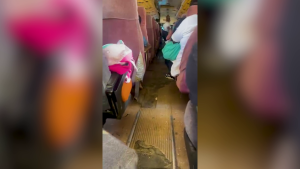
We also asked Transport Minister Dr. Louis Zabaneh whether commuters could expect fare reductions if global oil prices fall. His answer: that’s not how economies typically work. Still, it raises another key question, if riders are being asked to pay more, should they also expect better buses and improved commuting experience?
Louis Zabaneh
Dr. Louis Zabaneh, Minister of Transport
“Hundred percent agree, absolutely, in this case the price increases are to mitigate the higher cost of fuel. So for those who are doing it for that necessity, it will be difficult to find additional funds to improve their equipment where they are. However, NBC’s existence and future lies on a transition to electric buses that are all brand new.”
Paul Lopez
“How likely is it that if and when fuel prices stabilize this increase will go back to normal prices.”
Dr. Louis Zabaneh
“Well I am sure that NBC will do its best to make that happen but there is a thing in economics called sticky prices. That means that when prices go up it is much easier to go up than to come down. So, usually it is only improved technology that brings down the cost of any service. In the case of National Bus Company it is the same thing. It is technology that will be able to mitigate increasing prices. The cost of operating an electric bus is only about twenty-five percent that of a diesel bus in terms of the cost of energy.”
 Belize Bus Association Blames Government, NBC for Fare Hikes
The Belize Bus Association is rebutting claims surrounding the recent bus fare increases, placing blame squarely on the National Bus Company and the government agencies that oversee it. In a statement released just before news time, the BBA describes NBC as operating under direct ministry control, calling that relationship a conflict of interest in how fare decisions and public messaging are being framed. The association argues that NBC has long charged the highest fares in the industry, while private operators under the BBA operated at significantly lower rates for years, absorbing rising fuel and maintenance costs to protect commuters. The BBA says the latest adjustment was not arbitrary, but a forced alignment with NBC’s existing price structure following rejected requests for fuel tax relief and subsidies. The association further contends that government decisionmakers are now attempting to distance themselves from the fallout by using NBC as a public shield, while commuters shoulder the full financial burden. The BBA maintains that it remains the primary provider of national bus service and insists the public deserves transparency over who truly bears responsibility for the fare hike.
Attention readers: This online newscast is a direct transcript of our evening television broadcast. When speakers use Kriol, we have carefully rendered their words using a standard spelling system.
Watch the full newscast here: