


Belize Hosts First-Ever HIV Science Summit
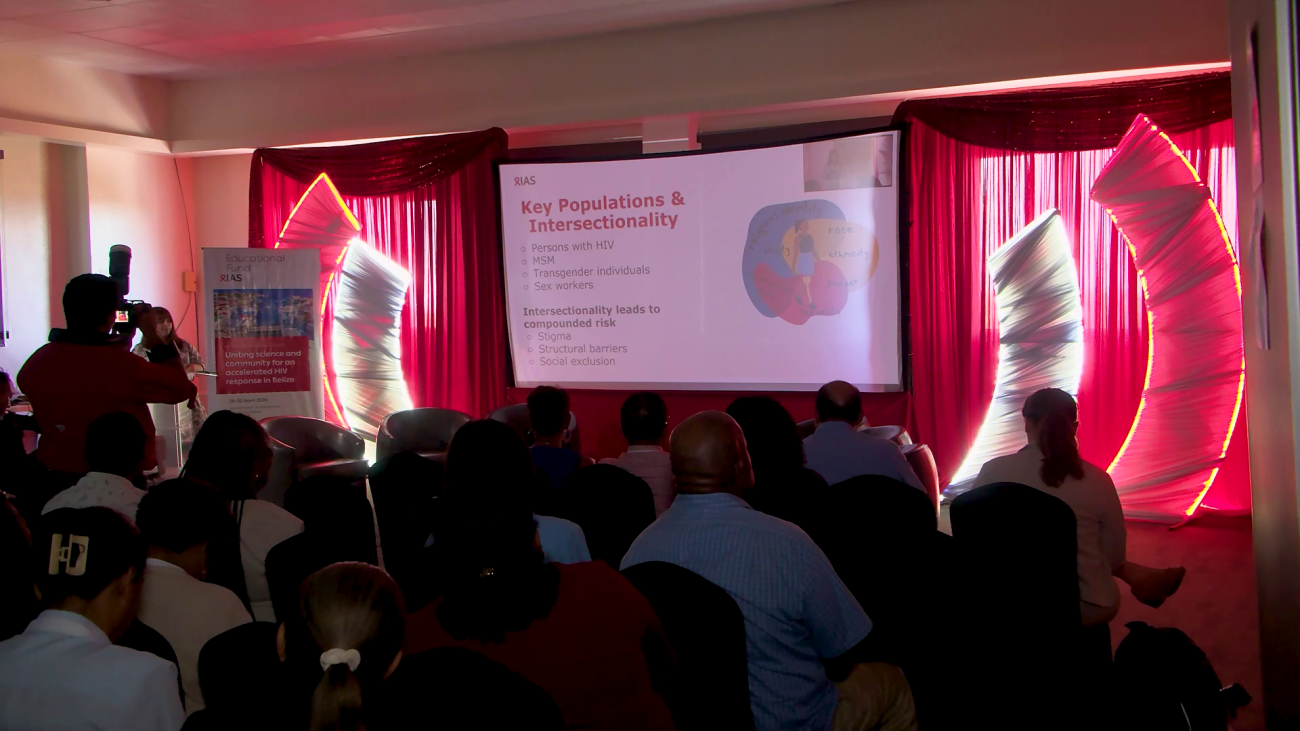
Belize just made regional history in the fight against HIV and AIDS. For the first time ever, the International AIDS Society brought one of its symposiums to Belize, making this not only a national first, but also the first time the event has been held anywhere in Central America. The two-day conference, themed “Uniting Science and Community,” pulled together an unusually wide mix of voices: doctors, community health workers, religious leaders, civil society groups, and members of the LGBTQI community, all in the same room, focused on one goal: pushing the national response forward and closing the gaps that still leave people vulnerable. Zenida Lanza was on the ground and brings us the story.
 Zenida Lanza, Reporting
Belize is getting better at finding HIV, but we’re still struggling to finish the job. Health officials say about 80% of people living with HIV now know their status, a big step forward. But the numbers drop sharply after that, only half stay consistent with their medication, and just one-third reach viral suppression, the point where the virus becomes undetectable and can’t be passed on through sex. Those gaps, diagnosis, treatment, and suppression, are exactly what pushed today’s conference to the forefront: not just to talk about progress, but to figure out why so many people still fall through the cracks and how to keep them in care.
Dolores Balderamos Garcia
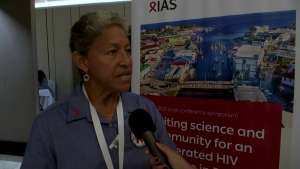
Dolores Balderamos Garcia, Executive Chairperson, National HIV/AIDS Commission
“Belize does have a concentrated epidemic among men who have sex with men, and men and their sexual partners; we have to reach out to the specific vulnerable groups in order to have success. So today, again, we’re very excited because the science is being presented to us, but also there will be further discussion as to how we can accelerate not only the prevention but also the treatment of HIV so that by 2030 we can perhaps not be 100% successful but be able to bring down HIV being a public health threat.”
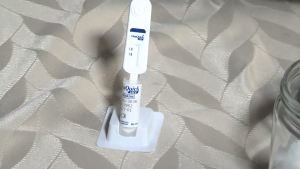 One of the tools generating the most conversation at the conference is the HIV self-test kit, a simple mouth swab that people can use in the privacy of their own home, designed specifically for those who fear stigma and discrimination. Eva Burgos, Executive Director for GoJoven Belize, explained why that matters on the ground.
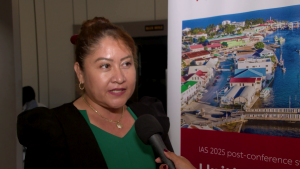
Eva Burgos
Eva Burgos, Executive Director, GoJoven Belize
“For example, the self-testing approach. In Belize, for us, it’s innovating and it’s different. This is like the second year that we’ve been kind of approaching that way for individuals to get tested. And in the communities, how it impacts the community is that sometimes they don’t go to a health center to know their status. So we can give you that self-test kit so that you can do it at the comfort of your own space. And this enables you to know your status.”
From the Ministry of Health and Wellness, Joshua Canul stressed that today’s conference is not just about medicine. It is about breaking down the walls that keep people from seeking help in the first place and reminding Belizeans that HIV in 2026 is a manageable condition.
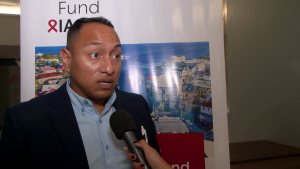
Joshua Canul
Dr. Joshua Canul, Assistant Deputy Director for HIV/TB/STI, MOHW
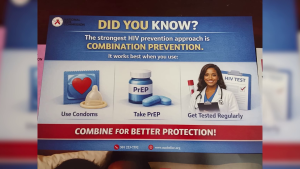
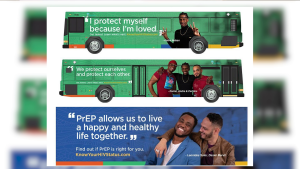
“We believe that we do need more support from the community and for people to understand that people with HIV is just like you, just like me, and it’s just like another disease like hypertension and diabetes. Hypertension and diabetes can be treated, HIV too, and I would bet that HIV most of the times easily are treated than hypertension and diabetes. One pill a day, and that makes you undetectable. Undetectable means you can’t transmit the virus, which means that I could have a partner, even if I’m HIV positive, and I don’t transmit it to them if I’m on my medications. And my partner, if I’m not could be on PrEP, which is a medication you take before, and it prevents you from getting HIV.”
 Also at the conference was social media personality and trans community advocate Melvin Cortez, known widely as La Bestie, who spoke about using his platform to break down the stigma that still keeps many Belizeans from getting tested.

Melvin Cortez
Melvin Cortez, Social Media Influencer
“I have the privilege to have a speech tomorrow, be a speaker on the conference, whereby I’m going to advocate for my community, which is a trans community, the cons, the pros, the cons, and all my experiences when it comes to how life has been as a trans member, including my experiences with people around the HIV community, people who may be dealing with that, how my platform can bring awareness when it comes to that topic in my country.”
With new tools, stronger partnerships, and a focus on community outreach, stakeholders say the goal is clear: get more Belizeans tested, treated, and ultimately bring HIV under control. Reporting for News Five, I am Zenida Lanza.
Attention readers: This online newscast is a direct transcript of our evening television broadcast. When speakers use Kriol, we have carefully rendered their words using a standard spelling system.
Watch the full newscast here: