


Are Belizean Attorneys Being Shut Out of the High Court?
Who should sit in judgment over Belizeans in Belizean courts? And if qualified Belizean attorneys are available, why are so few of them on the High Court bench? Those questions are now at the center of a growing dispute inside the legal community. The Association of Defense Attorneys says Belize continues to look outside its borders for judges while local legal talent is being passed over. The Bar Association of Belize, however, says the process is constitutional, independent, and should not be unfairly attacked. The controversy comes as the names of two foreign attorneys, Guyanese attorney Sheiniza Smith and Trinidadian attorney Peter Carter, have surfaced for possible appointments to the High Court. Should representation matter in the judiciary? And how does the country protect judicial independence while also answering legitimate public concerns about who interprets its laws? Tonight, Shane Williams looks at the clash between the Bar Association and defense attorneys, and why this argument is about much more than two possible appointments.
 Shane Williams, Reporting
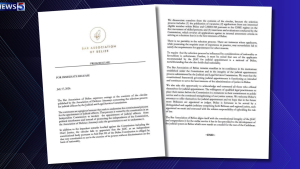
A disagreement over judicial appointments has now become a public showdown between two groups of attorneys. Today, the Association of Defense Attorneys defended its criticism of recent nominations to the bench, after the Bar Association accused the group of trying to undermine the Judicial and Legal Services Commission. Defense attorneys say they are not attacking the process; they are challenging it.
Jose Alpuche
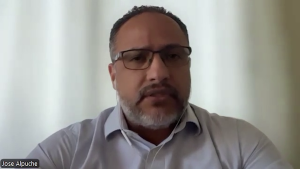
Jose Alpuche, President, Bar Association of Belize
“We believe it was important to ensure the public that there is a constitutional process when it comes to selecting judges, and I believe that the Traditional Legal Services Commission has acted fairly and we believe they have acted fairly in making these recommendations. And it was important for us to – and we believe it’s important for the justice system in Belize that we seek to defend that process.”
The Association of Defense Attorneys insists that its concern is not about disrespecting the commission, but about nationalism, representation, and the long-term independence of Belize’s judiciary.
Orson Elrington
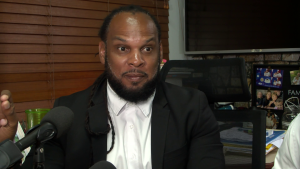
Orson Elrington, Attorney-at-law
“The latest two appointments are for two judges on the criminal bench. And I want to be clear, we are not saying that the judges who have been selected are not competent. We’re not saying that we have anything against our CARICOM brothers or sisters. We are not saying any of that. But what we have been saying for some years is that the Association of Defense Attorneys, who represent ninety-five percent of the people who sit on the criminal bench, and essentially the courts are set into the civil and the criminal bench, so we represent fifty percent of the judiciary, must have a say – and must be involved in the process.”
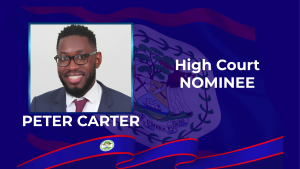
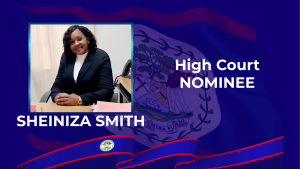 The names are out there, but the appointments are not final. Guyanese attorney Sheiniza Smith and Trinidadian attorney Peter Carter have been mentioned as possible new High Court judges. Attorney General Anthony Sylvestre says, however, that the selection process is still underway.
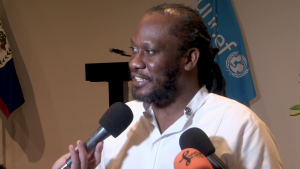
Anthony Sylvestre
Anthony Sylvestre, Attorney General
“No official decision has been made. I’m not quite sure how that information came about. And as somebody had pointed out, I think the Leader of Opposition herself had expressed consternation, surprise that when perhaps maybe she, she wasn’t consulted. But no, no decision has been made because the process is still ongoing with respect to, at this point the Leader of the Opposition being engaged and being consulted.”
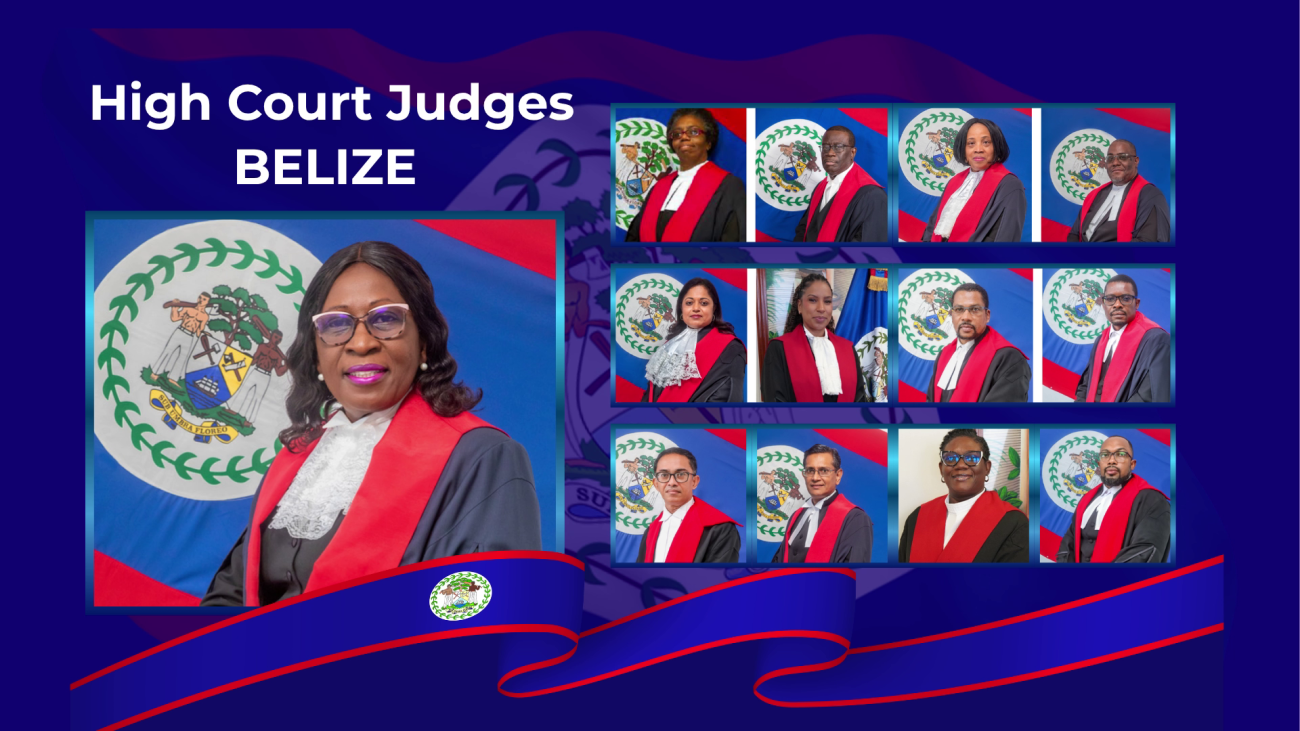
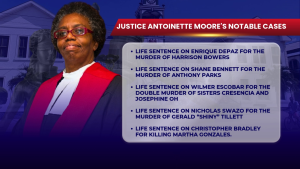 The controversy has also drawn attention to the composition of Belize’s High Court bench, which is unusual when compared to other Caribbean jurisdictions. In Jamaica, the Chief Justice, Chief Magistrate, and members of the judiciary are all Jamaican nationals. Barbados is led by a Barbadian Chief Justice with a bench made up of nationals, and the same is true in Trinidad and Tobago and Guyana, where local judges preside over their respective courts. But Belize is different.
At present, Justice Antoinette Moore, an American jurist with Belizean roots, is the only one of thirteen High Court judges with a Belizean connection, and she is expected to leave the bench in August. The Bar Association says it understands the public’s desire to see more Belizeans represented on the bench.
 Jose Alpuche
“The current composition of the bench, yes, there’s few Belizeans who sit on the bench. And I would say that’s certainly an issue. And we, as you said in our press release, we welcome Belizeans to apply for that role. We personally would – we all on the executive would like to see more Belizean attorneys applying for these roles and to be sitting on the bench.”
But the Association of Defense Attorneys says the issue is straightforward.
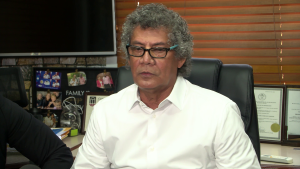
Dickie Bradley
Dickie Bradley, Attorney-at-Law
“The bottom line is that there are three branches of government, the law making, the executive, and the judicial. And the judicial committee has not appointed a Belizean to the higher bench or to the lower bench. Never happened. Something must wrong with that.”
For now, the argument is bigger than any one nominee. It has become a national conversation about Belize’s courts, who should interpret our laws, how judicial independence is protected, and whether qualified Belizean attorneys are being given a real path to the bench. Shane Williams for News Five.
Attention readers: This online newscast is a direct transcript of our evening television broadcast. When speakers use Kriol, we have carefully rendered their words using a standard spelling system.
Watch the full newscast here: