



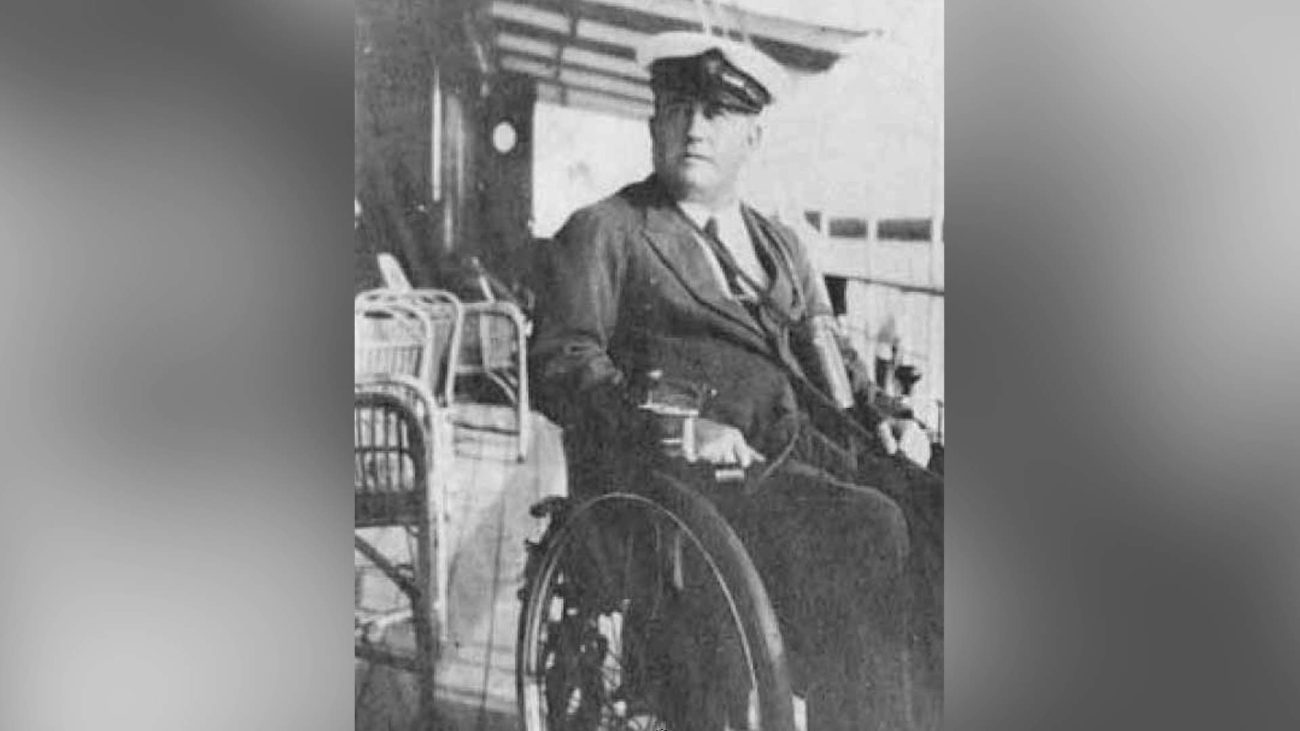
Baron Bliss’s Vision for Belize Lives On 100 Years Later
It’s a milestone worth remembering, today marks one hundred years since Baron Henry Edward Ernest Victor Bliss first arrived in Belize. Now, Baron Bliss never actually set foot on Belizean soil. Yet, his final gift changed the course of our cultural, educational, and scientific development for generations. He’s often called Belize’s greatest benefactor, and for good reason. His legacy is everywhere, from scholarships to iconic landmarks, but today, there was no official ceremony to mark the centenary. So, we decided to take a walk through history, visiting some of the places tied to Bliss, and reflecting on how one man’s generosity continues to shape Belizean life a century later.
Baron Bliss
Shane Williams, Reporting
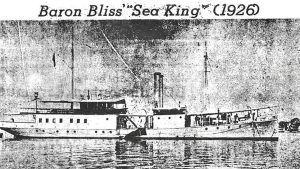
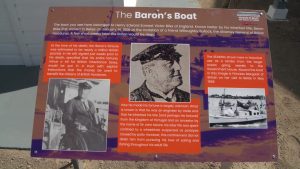
We usually celebrate Belize’s greatest benefactor on March ninth, the day he passed away, but here’s something you might not know, it was exactly one hundred years ago today, back in 1926, that Baron Henry Edward Ernest Victor Bliss arrived by yacht and anchored just off the coast of what was then British Honduras. Bliss was paralyzed from the waist down and never came ashore, yet he fell in love with this country from a distance. And in death, he left a gift that would shape Belize’s future in ways we still feel today. As Executive Director of the Institute of Creative Arts, Kim Vasquez puts it, Bliss didn’t need to set foot on land to see the potential of Belize, and his legacy proves it.

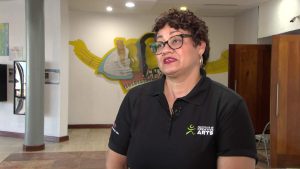
Kim Vasquez
Kim Vasquez, Executive Director, Institute of Creative Arts
“I know many Belizean, as you rightfully said, we more associate the ninth of March, which marks the anniversary of his passing. And we usually commemorate him and remember him as our greatest benefactor in terms of financing because he left that trust for us, I believe, one-point-eight million dollars. But I think today we can actually reflect a little bit on how we got to that. He was greeted by the Governor Burton at that time when he arrived and he did interface with colonial officials at that time. But what he really spent his time doing was fishing and enjoying, just like any modern day tourist, the beauty of Belize – of our waters and he had that rapport with the fishermen. He liked to fish and there is something that he may have seen maybe in his conversations with those colonial administrators, he saw the potential. And when he realized that his health was declining, he drafted up that will – a new will to leave most of everything that he had to the country.”
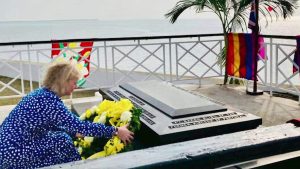 He left nearly his entire fortune to the people of Belize, with strict instructions: the funds were to be used for the country’s education, culture and development, not for churches or military purposes. To really grasp the importance of Bliss’s final wishes, we spoke with historian Nicholas Sanchez, who told us that the will itself was just as groundbreaking as the gift it contained.

Nicholas Sanchez
Nicholas Sanchez, Historian
“It can be used for anything except three things. You couldn’t build a school that was attached to a church. You couldn’t build a church or a dance hall. Everything else should go through the trust fund and the so arranged. Now you have to be careful because in arrange in suggesting something, you must be very thorough and everything must be bought from the commonwealth. For instance, if you want to repair this, the steps, you can’t go and get the Maya cement.”
Shane Williams
“What’s the legacy? What should Belizean Young Belizean right now know about Baron Bliss?”
 Nicholas Sanchez
“Are you ready? Every doggone one of them should know that the capital of this country sits on land that was bought by Baron Bliss Trust and money, Belmopan. That’s why you have a Bliss promenade in Belmopan. How many of these tour guides know that or say so? The next one, the nurses training college or training school, if you get a hung nail or a scratch or whatever, being born. Of course that’s the most important thing in anybody’s life, there was a nurse from the training school help you to come in.”
 Today, that vision lives on through institutions funded by the Baron Bliss Trust, including scholarships, libraries, museums and cultural spaces that continue to benefit Belizeans across generations. The Institute of Creative Arts is housed at the Bliss Center for the Performing Arts. Built back in 1954, the theatre has been home to some of Belize’s most memorable performances and boldest ideas. And according to Kim Vasquez, the best way Belizeans can honor Bliss today is by following his example, becoming benefactors themselves.
 Kim Vasquez
“I think for us it’s to remember that legacy and the importance of philanthropy. And he saw something. He saw the potential in us, I would like to think, that made him make that decision to benefit, to do something for the country and people of Belize. And I think that is the best thing we can do is to be stewards and to remember that again, you can look at the intention. We now have heroes and benefactors day moving away from just Baron Bliss Day. And for me, the benefactors that we continue to honor today, they may not have left one-point-eight million dollars but hey have served the country in different ways.”
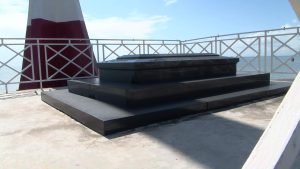 A century later, Bliss’s legacy is not only measured in dollars and cents, but in national identity. From education and the arts to historical preservation, his name remains synonymous with public good. But in recent years there seems to be less celebration attached to his memory. Captain Sanchez has an advice for those in authority who are not making an effort to celebrate Bliss’s memory.
Nicholas Sanchez
“Now, if you don’t want Baron Bliss anymore, you know what my suggestion is? Fine, we don’t want that guy around us anymore. Pack up all the benefits that we can derive, especially the money in particular and send it back to the family and says, we don’t need you. We don’t want you. Here, take your stuff and go ’cause we are not gonna honor him anymore.”
As Belize marks the centenary of Baron Bliss’ arrival, the moment serves as both a commemoration and a reminder of a man who chose Belize as the steward of his life’s fortune, and of a responsibility to preserve and expand that legacy for the next hundred years. Shane Williams for News Five.
Facebook Comments