



B&B and DOE Respond to Trash Report Findings
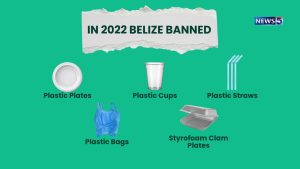
Earlier this week, we told you about the 2025 Sea of Life trash report, and its findings were hard to ignore. The data shows that plastic still dominates Belize’s waste stream, making up sixty seven percent of all recorded debris nationwide. Out of more than fourteen thousand pieces of trash analyzed, single use beverage bottles top the list, with products from Bowen and Bowen showing up most often. Back in 2022, Belize took a big step by banning several types of single use plastics, straws, cups, plates and more. But despite those efforts, plastic pollution remains a stubborn problem. Tonight, News Five’s Britney Gordon looks at what the private sector and government are doing now to tackle the issue, and whether those actions are enough to turn the tide.
 Britney Gordon, Reporting
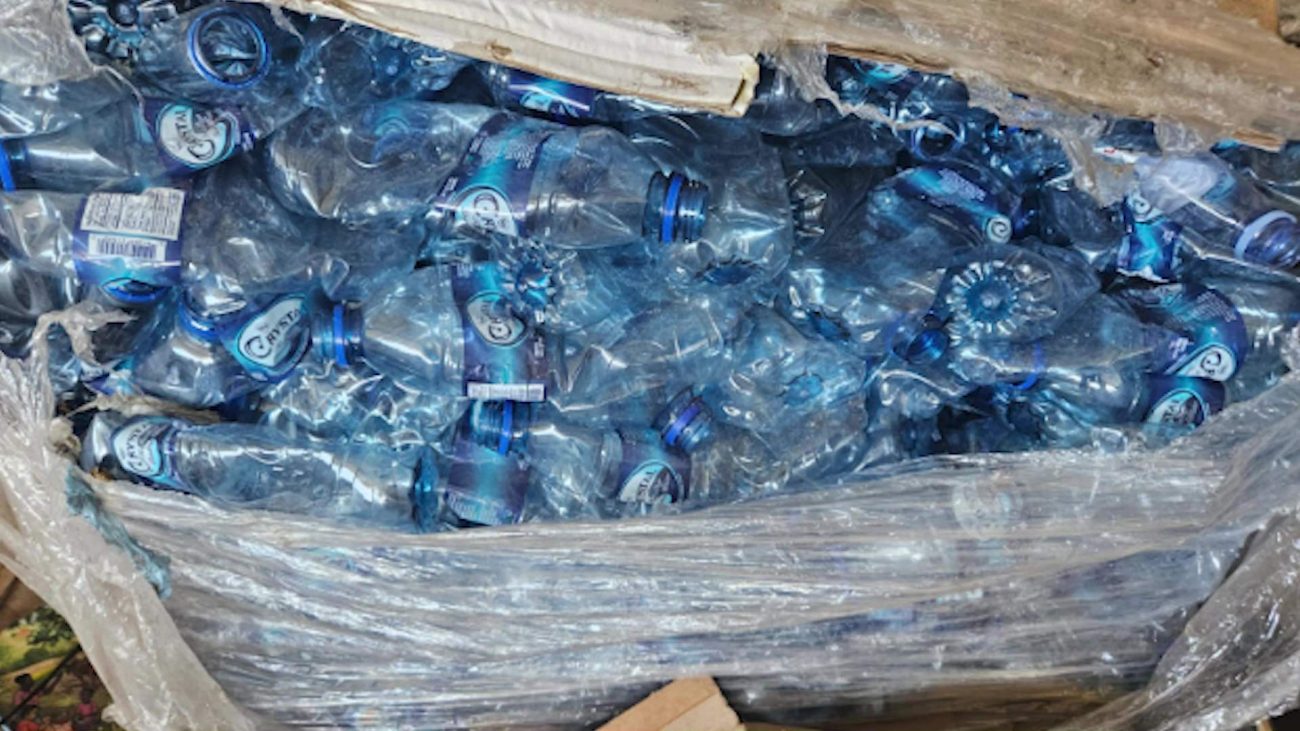
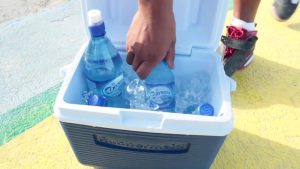
On a hot day, most Belizeans grab a bottle of Crystal Water without thinking twice. But where do those bottles and pouches end up? The 2025 Sea of Life TrashBlitz report says many of them are landing in drains, on our streets, and washing into Belize’s waters. In fact, Bowen and Bowen products are the most commonly found litter nationwide. We asked the company what it’s doing to shrink its environmental footprint.

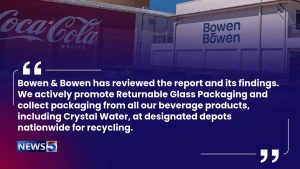 Representatives told us, quote, “Bowen & Bowen has reviewed the report and its findings. We actively promote Returnable Glass Packaging and collect packaging from all our beverage products, including Crystal Water, at designated depots nationwide for recycling. Belize has the highest percentage of soft drinks sold in returnable glass bottles among bottlers in the region, and we also have the highest return rate for plastic bottles. We take our environmental obligations seriously and are committed to increasing collection efforts.”
Bowen and Bowen offers incentives for customers to return their bottles, but many still end up tossed on streets and in waterways. So, what’s being done at the national level? In 2022, the government banned several types of plastic and Styrofoam products, blocking their importation and local production. The Chief Environmental Officer says the rule is simple: any plastic still allowed in Belize must now meet biodegradability standards.

Anthony Mai
Anthony Mai, Chief Environmental Officer
“We conducted what we call the conformity assessment, and so our National biodegradable standards speaks to two things. One, it says that the product is considered biodegradable if it is made up of fifty percent of more of an organic base material, and it is considered biodegradable if it is able to decompose within the hundred and sixty-face days under certain conditions. So what we did in 2023 is we took ninety samples from about thirty-five different companies, importers and manufacturers. At that time we had about four manufacturers. We took samples from what was coming into the country and what was being produced. We sent them to a certified laboratory in Miami and to test for the bio-based content of these products. The results that we received back then suggested that majority of the products that were being permitted to come into the country in 2023. We’re not meeting the standards.”
 The Sea of Life report lays out a step‑by‑step plan to phase out plastics in Belize. The Department of the Environment says it’s considering that approach, starting with items like shopping bags and plastic packaging. But Sea of Life’s executive director has concerns. He says Belize’s current rule, requiring only 50% bio‑material in approved plastics, doesn’t go far enough.
 On the Phone: Paulita Bennett-Martin, Executive Director, Sea of Life
“Sometimes biomaterials don’t necessarily break down. And so there are reports that you can look at, like the Better Alternatives report is looks at global brands that produce what are considered bioplastics and looks at the breakdown over time. And there’s only some that actually break down. Also, the other part of the law may have a timestamp on it, whereby the government would require that the product has to break down by so much within a certain amount of time, which I believe in Belize is maybe one year for the breakdown of the material. And so if that’s not happening, that’s another, I think, standard with any sort of bioplastic requirement is not just what is the substance making up the plastic, but also how does it react once it’s. In the waste stream.”
 Mai said the department has hired a consultant to review Belize’s plastic ban and gauge how well it’s working. If the assessment uncovers major gaps, the department is ready to rethink its strategy. He noted that the real challenge is tackling plastic pollution without putting local businesses at risk.
Anthony Mai
“We had to strike a balance between environmental protection and ensuring that this initiative does not negatively impact these small scale businesses, right? And so one of the wide, one of the most vital question that we receive is, why don’t you ban plastic bottles, right? In our research, there are, there’s no environmental friendly option to replace plastic bottle at this moment. So if we would say we ban plastic bottles, then what could we do as a country in relation to having purified water available for people to use.”
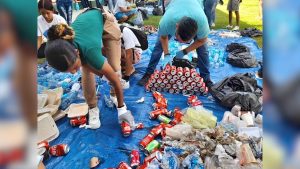 Paulita Bennett-Martin also highlights concerns regarding plastic recycling facilities and its potential impact on the environment and personal health.
 On the Phone: Paulita Bennett-Martin
“They’re melting plastics to reshape things to use on the market so that we’re actually recycling the material. So that is something that’s already occurring. In fact, we even melt or heat up plastics when we’re repairing cars. So there are ways to work with plastics that can be monitored and potentially be safe at the same time. We don’t really know. Your question is perfect. We don’t really know what happens when something gets heated up. We don’t know what it releases necessarily or how that impacts our health.”
Bowen and Bowen currently ships all collected plastic bottles to Guatemala to be recycled. They further stated quote, “We also encourage proper disposal as part of our shared responsibility for the environment.” End quote. Britney Gordon for News Five.
Facebook Comments