



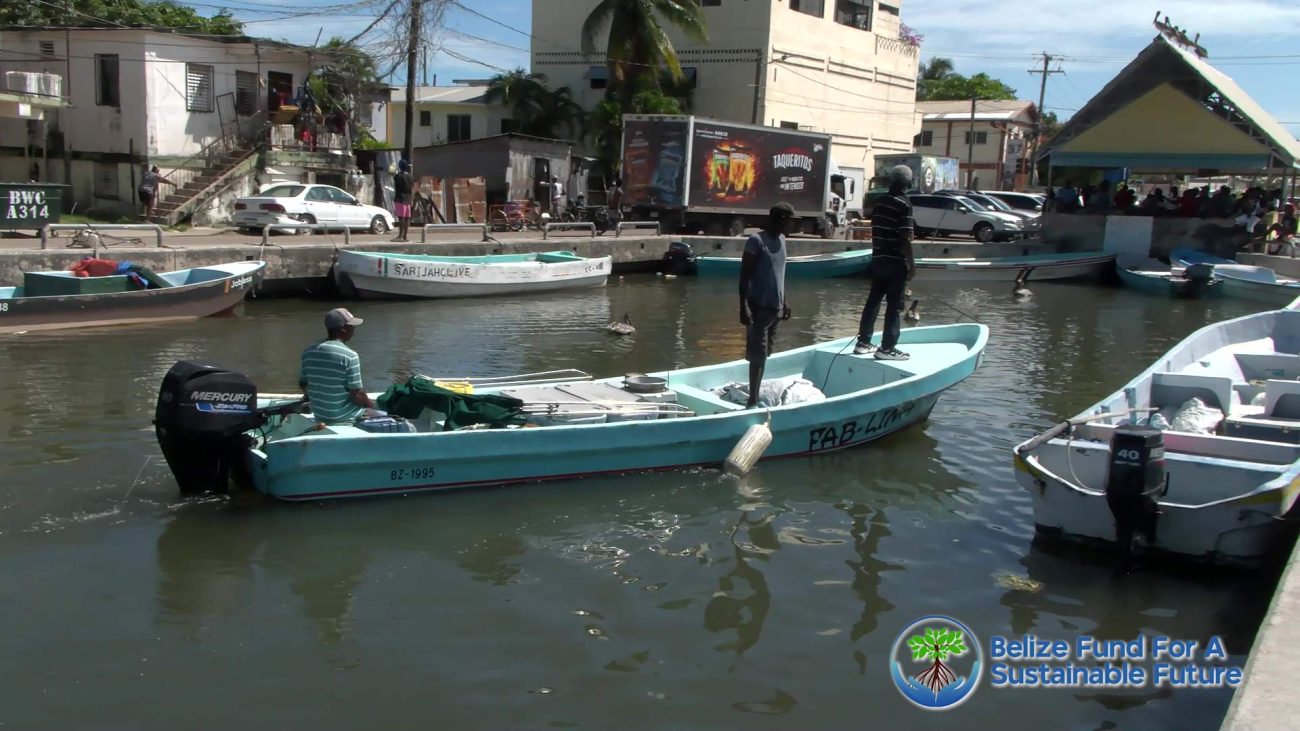
Behind the Catch: How Belize’s Seafood Reaches Your Plate
In this next story, we’re taking a closer look at some of Belize’s favorite dishes, a golden fried fish, tangy ceviche, or crispy conch fritters. These are the flavors that define our Belizean table. But have you ever thought about the journey that fish or conch takes before landing on your plate? Well, behind every catch is a whole system working together, supported by initiatives backed by the Belize Fund for a Sustainable Future that strengthen sustainable fishing, from harvest to plate. Tonight, Benita Keme-Palacio takes us along the journey that protects our seafood and our way of life: from the sea straight to your plate.
 “Fishing is not just about catching fish; it’s about understanding the delicate balance of nature.” – Aldo Leopold, Conservationist.
 Benita Keme-Palacio Reporting,
“Fresh, Tangy, and a Belizean favorite: Ceviche. It’s a mouthful of flavors and a big draw for visitors from across the world. But, have you ever wondered what it takes to bring this conch, or your Sunday fish from the ocean to your plate?”
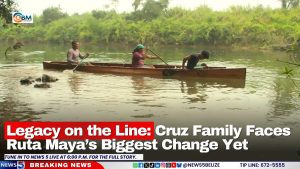
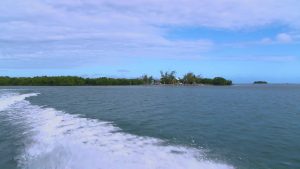 That question starts out here, on waters where fishing continues to be a way of life for generational Belizean fisherfolk households. Behind many of Belize’s sustainable fishing efforts is the Belize Fund for a Sustainable Future, funding programs that strengthen fisheries management, protect fish stocks, and connect responsible fishing practices from the ocean all the way to the consumer’s plate and the livelihoods of coastal communities. From fishing zones to size limits and closed seasons, these measures have helped reduce overfishing and safeguard our seafood stocks. And as these efforts continue to grow, Belize is taking steps to make sure every part of the seafood journey is tracked and sustainable.

Adriel Castañeda
Adriel Castañeda, Senior Fisheries Officer, Fisheries Department
“We are going through the revision of our regulations, and some of the things that we’re including is for vendors, for those middlemen that buy from fishers to sell to the hotels and so on to also be registered. Because they are currently not registered. So, there’s a little gap per say. Even for us collecting data, they would be essential for them to be reporting also, what they’re buying, where that extra resource is going.”
But, tracking what’s caught and sold is just one piece of the puzzle. Protecting species and ensuring sustainable fishing practices is another.

Henry Brown
Henry Brown, Technical Research Assistant, WCS
“I’ll use the Nassau Groupers as one of the main flag species that we’ve been pushing a lot countrywide and in the fisheries department to help to protect because it’s actually a critically endangered species, and so by implementing size limits, we’re able to protect the juvenile coming into maturity where they can actually reproduce, and then the larger ones from thirty inches and over in total length, are what we call the mega spawners, meaning they hold larger amounts of eggs so they are replenishing the population and so by implementing these parameters we’re able to hopefully get a bounce back with the population.”
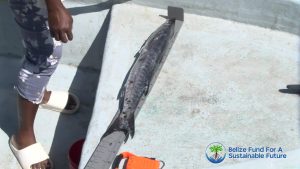 Behind every regulation and conservation effort are the families on the water, keeping fishing alive and balancing it with the constantly changing fishing practices that protect our marine resources.
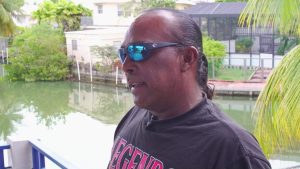
Leopold Westby
Leopold Westby, Fisher
“Each fisherman got an area. So, when they have an issue in an area, you could more know ‘alright, da that area, that man nuh di do something right in deh’. So then, sometimes they come and stop by help, and ask how they can assist you, so it kind of good how they have Turneffe right now.”
To keep these practices in check, enforcement officers are on the ground, helping to ensure rules are followed and undersized catches don’t reach our plates.
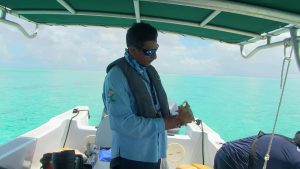
Kiefer Alvarez
Kiefer Alvarez, Enforcement Coordinator, TASA
“Usually an inspection that we would do, we would have our equipment, we would have our scale, our measuring tape, our fish board that has all the measurements in inches, centimeters, and millimeters. What we would do is come and check, I don’t have the equipment right now, but from I could see this, this is an undersized conch already, ‘cause it’s very small, you can see it and feel the weight. Usually, what we would do, once he has more than ten he automatically commit an infraction. Once he has less than ten we issue a written warning, and it all depends on our discretion because we can charge them for one, two, three.”
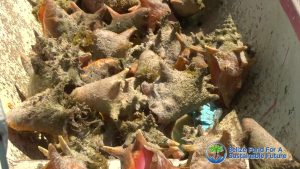 Henry Brown
“Our entire country is bounded by the sea, so the sea is one of our main resources especially for our coastal communities, so by properly managing it as well as using sustainable fishing activities, we believe that we could prolong the actual subsistence of the fishery. So being able to do conch, lobster, finfish, those are some of our main delicacies. So, by doing these practices, we believe that for many years to come, the younger generation would be able enjoy it without being worried having collapse of the fishing industry or so forth.”
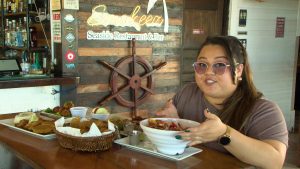
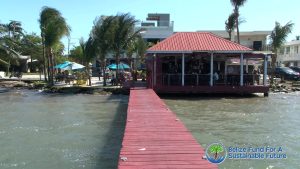 But what good is a well-designed system if a piece of the puzzle is not playing its role? The day’s catch making it to your plate depends on everyone, fishers, vendors, and even the restaurants making the right choices. At Smokeez Seaside Restaurant & Bar, owner Ramon Salgado ensures every seafood dish comes out nice, fresh, and with the sustainable fishing tag.
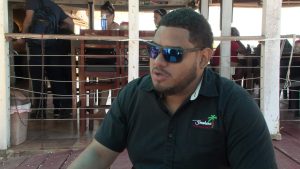
Ramon Salgado
Ramon Salgado, Owner, Smokeez Seaside Restaurant and Bar
“We practice a lot of sustainable sourcing of seafood. As you can see on our menu, we sell whole snappers, fish fillet, conch fritters, conch ceviche. When I opened this restaurant I knew that I wanted to source seafood. sustainably. I think restaurants play an important role because we are the purchasers. If we continue as restaurants to purchase anything, just so that we can sell it. For example, if we would purchase undersized conchs because it’s cheaper, it’s easier to get, at the ending of the day, five, 10 years from now, we may not even have any conchs to sell. Same thing with fish filets. If we continue to purchase fish filet and in the fish filet, they do not live on skin tags and it’s probably parrotfish or out season Nassau groupers and stuff like that then maybe 10 years from now, it’ll be very difficult for us to buy fillet. And the cost of the fillet or the conchs would be extremely high because there’s a shortage now, because we did not sustainably source it at the beginning.”
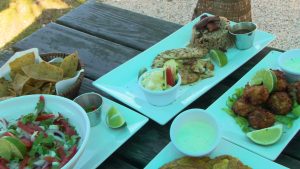 From the moment seafood is caught to the choices made in the kitchen, every step plays a role in Belize’s fisheries. And in the end, sustaining our ocean also means sustaining the people and communities who depend on it — not just for income, but for their way of life —and that includes the choices we make at our tables every day. Benita Keme-Palacio for News Five.
Attention readers: This online newscast is a direct transcript of our evening television broadcast. When speakers use Kriol, we have carefully rendered their words using a standard spelling system.
Watch the full newscast here:
Facebook Comments