



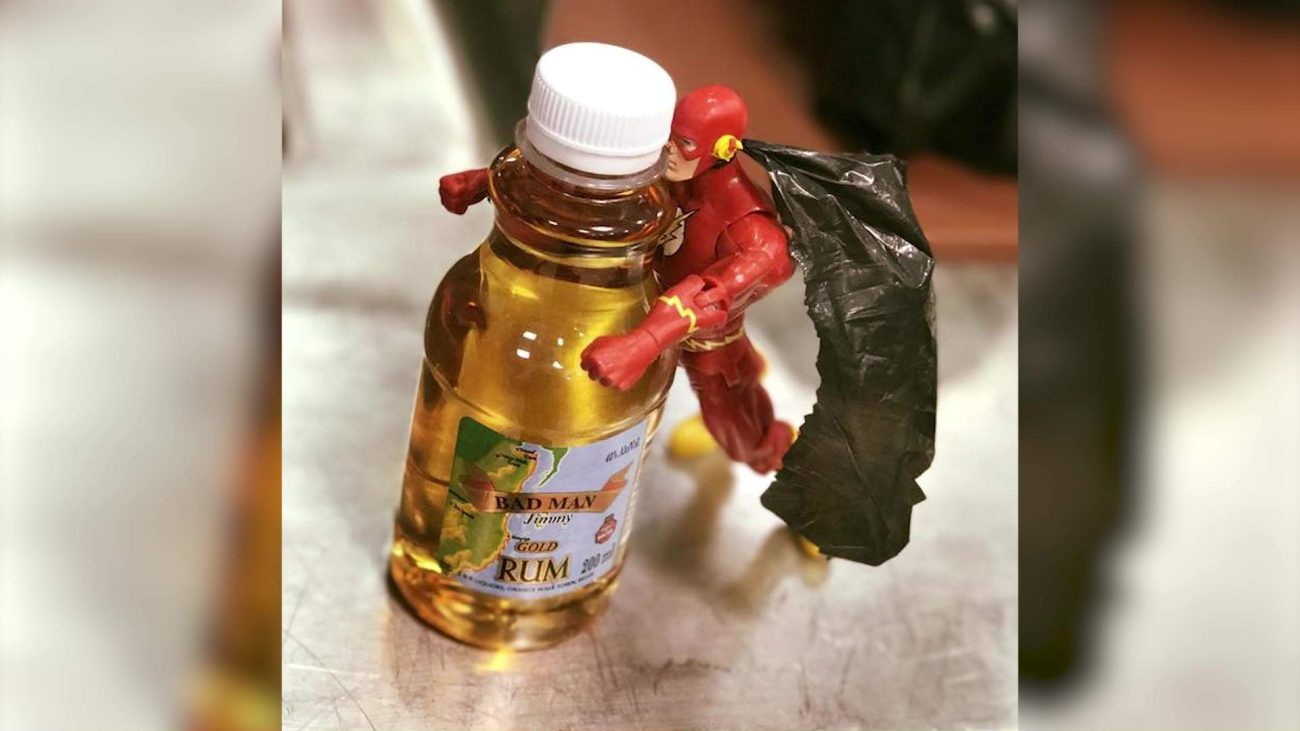
Belize Among Top Alcohol Consumers in the Americas
Belizeans love a good celebration, but here’s the sobering truth: our drinking habits have hit alarming levels. Recent reports show Belize ranks among the top in the Americas for alcohol consumption, and binge drinking is becoming a regular pastime. Experts say this goes way beyond simply having fun; it’s fueling addiction, driving up cases of non-communicable diseases, and even contributing to domestic violence. With alcohol so deeply woven into our culture, from holidays to family gatherings, how do we confront a problem that’s become part of everyday life? Paul Lopez takes a closer look.
 Paul Lopez, Reporting
Too many people suffer in silence. For some, a quick drink feels like an escape, a way to numb the pain of life’s struggles. But that escape can turn into a trap, a dependence that takes everything, including your health, your relationships, your trust… even yourself. Lee Henkis knows that story all too well. He was just nine years old when he was first introduced to alcohol, cigarettes, and marijuana. Today, he shares what it took to break free.

Lee Henkis
Lee Henkis, Recovering Addict
“My stepfather. He use to have me light cigarette and clean marijuana for him under the house bottom and that is how I got into the Marijuana and cigarette and alcohol.”
 On Wednesday, the Ministry of Health and Wellness brought stakeholders together for a forum on alcohol consumption, digging into why so many Belizeans are drinking heavily and the consequences that follow. We sat down with Henkis to get a firsthand perspective.
 Lee Henkis
“It affected my life greatly because I could have done much more than what I am doing right now. Education wise I could have been up there, because I loved biology. I was great in biology, but I got caught up with the wrong group and I started drinking and smoking and started neglecting myself. I lost the trust of my family. I lost my family in a whole because of substance abuse. Psychologically while I lost my mind and I just had to focus on coming back to who I was.”
When doctors told Henkis he had diabetes three years ago, his world collapsed. Searching for hope, he found Remar Belize, an addiction recovery center headed by Felicia Hill and her husband. That’s where he started over. Hill joined the conversation at Wednesday’s forum.

Felicia Hill
Felicia Hill, Facilitator, Remar Belize
“I don’t know if I can touch on this, but it’s really accessible, it is also one of the points being mentioned yesterday as well. it is easy to access and it is cheap. You get the cheap. The cheap one is very accessible, it is easy to get and they need to realize the damage it causes on their health, the mentality, their health. It could be a very smart person, but because of the alcohol, they start losing. People will start looking and say, “I don’t recognize this person.”
 The data shows that children are getting their first taste of alcohol before ten years old and develop a drinking habit into their teenage years. Hill says this information struck a chord with her.
Felicia Hill
“As a community we should be mindful of things like that, even the person working in the supermarket, if someone says I am of age, say ok if you are of age, come back with your social card, show me you are of age, to implement it for them to see. When you make them a better way or you are stricter, they say this one is serious, I can’t mess around here or I can’t play around.”
 Experts point out a big difference between social drinkers and people battling dependency. And there are those who argue that the line between the two is very thin and blurred. According to Dr. Lila Estephan from the Ministry of Health and Wellness, alcohol abuse should be treated for what it is, a disease.
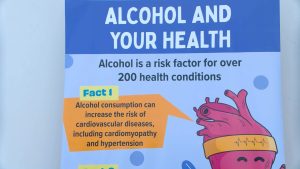 Dr. Lila Estephan, Non-Communicable Disease Coordinator, MOHW
“Alcoholism is a disease, an addiction, we cannot blame the consumer.”
Lee Henkis
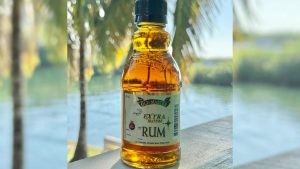
“It is very painful, because I watch a lot of my friends that I grew up with, playing football, are no longer here in Belize. They are under the ground because of drinking what they call badman, that time they called it redtop or fire water. They literally got to the point there they had to drink it to the raw level and then follow up with a little water. I was talking a friend last night, he use to live in the caye and his boss use to bring it by the case for him, badman, and in three days he finished a case. I am serious.”
Henkis says he’s been alcohol-free for two and a half years now. He credits his recovery to the guidance he received at Remar Belize, and his faith. The non-profit has been around since the late ’90s, helping people fight addiction. Today, Henkis is paying it forward, working with others who want to break free from substance abuse. Reporting for News Five, I am Paul Lopez.
Facebook Comments