



Belize Modernizes Transport with Unified Bus System
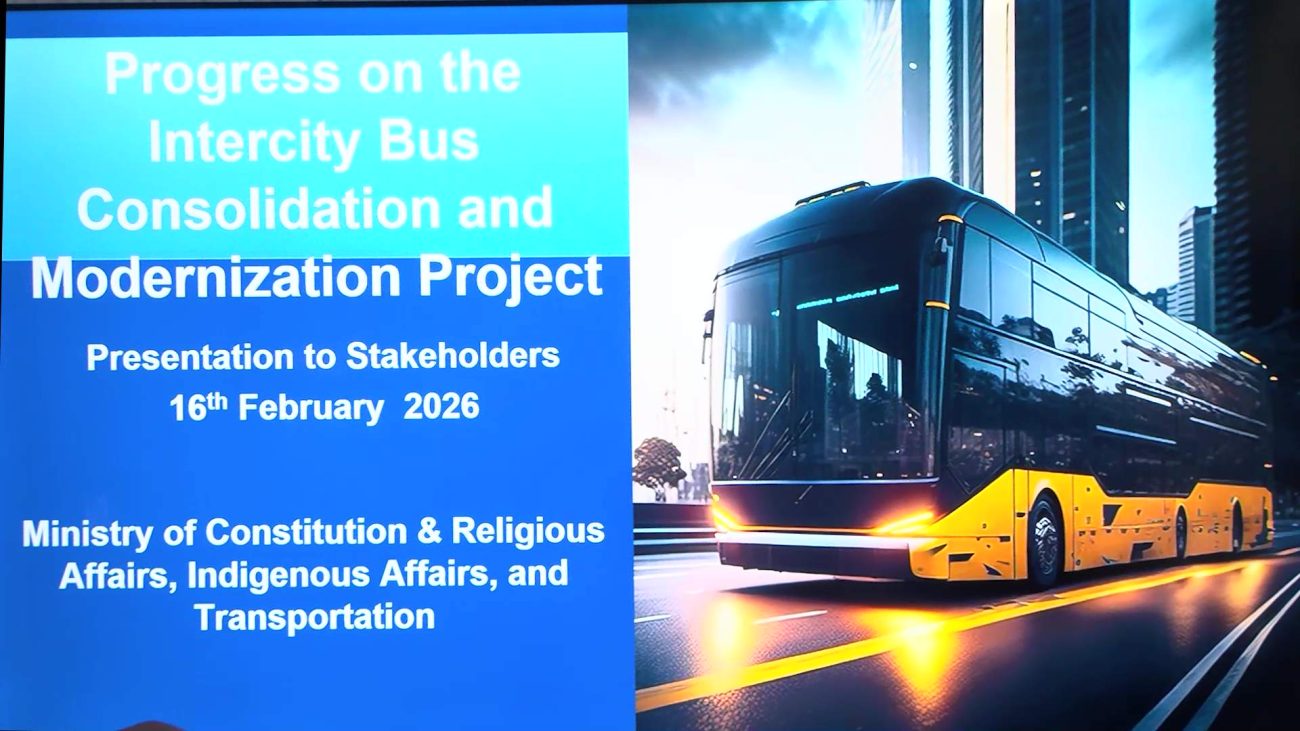
Tonight, Belize’s public transportation system is getting a long‑overdue overhaul. After years of crowded buses, aging fleets, and constant commuter frustration, the Government of Belize is rolling out the National Bus Company, its boldest move yet to modernize how Belizeans travel. The plan brings private operators, government agencies, and international partners under one unified system, promising safer rides, upgraded terminals, and even a brand‑new fleet of electric buses. Paul Lopez takes a closer look at how this long‑awaited transformation finally came together, and what it could mean for the everyday commuter.
 Paul Lopez, Reporting
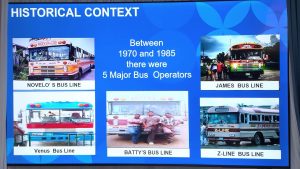
The National Bus Company has moved from idea to reality. But what exactly is it, why was it needed, and how will it change the ride for everyday commuters? Public transportation started in the 1960s with trucks and just a few operators. By the 1980s, names like Novelo’s, Venus, Batty, Z Line, and James dominated the highways. Today, Belize has thirty‑one bus operators, yet despite the growth, the system itself has barely changed. That’s the gap the National Bus Company aims to fix.

Chester Williams
Chester Williams, Chief Executive Officer, Ministry of Transport
“And certainly from May last year when we took that first step to convene that meeting at the Ministry of Sustainable Development, there were doubts in that room as the minister outlined the plan to move towards a consolidated bus industry. Many of you took your minds back to previous administrations, echoing your dissatisfaction with what had transpired over the years. And around the room, one thing was certain, you needed someone you can trust.”
Along came the Minister of Transport, Doctor Louis Zabaneh, who presented a vision to stakeholders, a consolidated bus industry to be called the National Bus Company. The vision came with the promise of addressing perennial issues such as overcrowding, mechanical issues, dilapidated buses and racing on the nation’s highways.
 Anna Loague, Director, National Bus Company
“It also includes modern terminals and as the picture you see there represents what the artist has as the modern bus terminal for Belize City, and this is the modern bus terminal for Orange Walk Town.”
On Monday, the Ministry of Transport officially announced the launch of the National Bus Company, boasting extensive consultation with private and public sector stakeholders, as well as regional and international partners. In mid-2025 the ministry formed a committee comprised of these stakeholders to carry out the foundational work.

Gilroy Middleton
Dr. Gilroy Middleton, Committee Member, University of Belize
“People are tired of riding preschool buses. Your feet don’t fit, simple. We are looking at reliability, comfort, benchmark, standards, raising the bar and enforcement has been noted.”
 The National Bus Company is valued at forty-nine point seven million dollars. Auditor Emil Pinelo explained that auditors valued all bus terminals across the country at twenty-two point seven million dollars in total. That is equivalent to forty-five-point seventy-six percent in shares for the Government of Belize. The seventeen bus operators that have agreed to the consolidation are contributing nineteen point four million dollars equivalent to thirty-nine-point fifteen percent shares. This is the equity structure. And with a revamped public transportation sector comes a plan to purchase a new fleet of electric buses to replace the diesel buses, beginning in September.

Louis Zabaneh
Dr. Louis Zabaneh, Minister of Transport
“So financing of the buses has not been an issue. We have had quite an interest because what we are doing is very novel. It can become a model for other places to look at. That is not our driving motive is the welfare of our commuters and the welfare of operators. All these wonderful operators here and the ones that have not participated have been in a very tight industry. I am glad to see we were able to come together and in the meeting this morning one of the reliefs mentioned is that we wont have to race again like how we did it. We will have equipment now and we will be able to rationalize the runs and all these things.”
Based on the manufacturer, an electric bus can cost anywhere between three hundred and twenty-five thousand U.S. dollars, to four hundred thousand U.S. dollars. The National Bus Company has also been established with a commitment of increased revenue for participating bus operators. Reporting for News Five, I am Paul Lopez.
Watch the full newscast here:
Facebook Comments