



Belizeans Cautioned of Scams Following Virtual Kidnapping
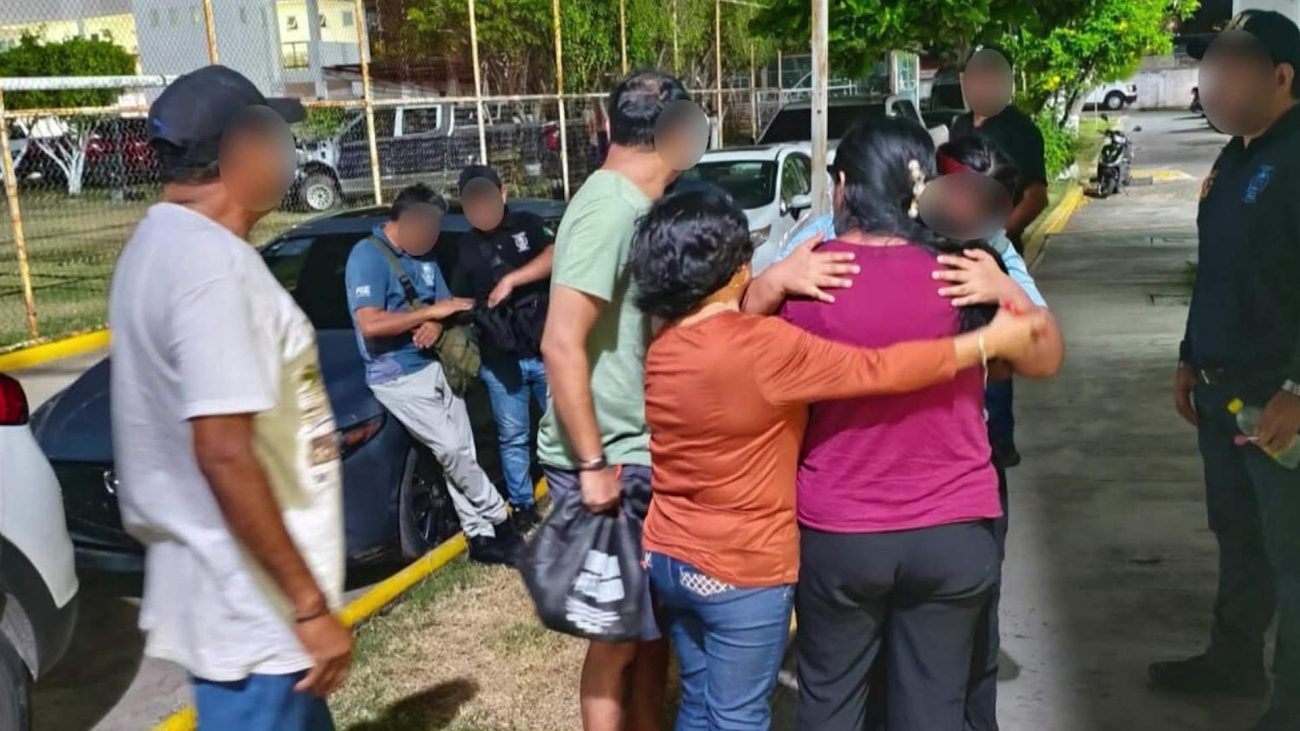
What started as a terrifying ransom call quickly unraveled into a digital trap that preyed on panic. On Monday, two Belizean families were thrown into chaos after being told their loved ones had been kidnapped by a cartel in Chetumal. In reality, no gunmen, no abduction, just a sophisticated “virtual kidnapping” scam engineered to feel real. Hackers cloned phones, watched messages in real time, and manipulated the victims into sending staged photos and videos that looked like proof of life. Convinced their relatives were in danger, the families scrambled to raise thousands of dollars, money that ultimately landed in accounts controlled by the scammers. Authorities in Quintana Roo later tracked down the victims unharmed and helped bring them home. Belize’s Ambassador to Mexico, Oscar Arnold, explains how the criminals used psychology and tech savvy to turn fear into profit.
Oscar Arnold
Oscar Arnold, Belize’s Ambassador to Mexico

“ The last event to this one that I am aware of an what the individuals did that made the phone call, they also did a video chat with them. They forced them or they required, the requirement of them was to take certain pictures so that they would send to their family members as well to fool the family members into thinking that it was a real kidnapping. From the State Attorney General’s office in Quintana Roo, it is asserting that this call came from a detention facility in the state of Tamaulipas, where this whole elaborate scheme was concocted and what they’ve done, because we’ve had reports of this in the past. Where Nu phone numbers become compromised. I myself have received these phone calls here in Mexico, but I really haven’t paid them any mind. But what they do, they would call and they would say, we are watching you we have people in the area who are watching you. And if, and for your safety or to guarantee your safety, you need to pay this amount of money by either depositing it into an account or making a transfer, an electronic transfer. And so, in this instance, the family was being contacted by these individuals and they thought that their three family members were being held or were being kidnapped. While the kidnappers would also be speaking to the three individuals, telling them that their life was at risk that people were watching them, that they would have individuals harm them if they did not, if their family members did not pay the ransom. And so in this instance, the family was being contacted by these individuals and they thought that their three family members were being held or were being kidnapped. While the kidnappers would also be speaking to the three individuals, telling them that their life was at risk that people were watching them, that they would have individuals harm them if they did not, if their family members did not pay the ransom. Initially they were told to go to the Mall of the Americas there in Chetumal and that they would contact them again, which is an initial tactic to see if you are listening or if you’re complying with their demands. At that point when the three individuals did that the kidnappers or the alleged kidnappers knew that these individuals were in fear of their life and that they would comply. The second request was made that they go to a hotel and go to a room and be locked up in the room. And that is when the other half of the scheme started, where they would then make demands on the family.”
 Elderly Belizean Targeted in Phone Scam
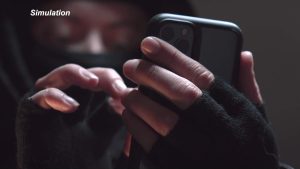
Ambassador Oscar Arnold explains that these instances are not uncommon, sharing another alarming case that previously unfolded. This case involved an elderly Belizean woman in Chetumal who was targeted while visiting Mexico for a dental appointment. He shared some advice on how Belizeans can avoid falling prey to these schemes.
Oscar Arnold
Oscar Arnold, Belize’s Ambassador to Mexico
“They went over there for a dentist appointment and somehow the number became compromised it fell into the hands of the wrong individual and they were making the call and making these threats over the phone. Putting myself in their situation, I can understand why people would be scared and their first intention would be to try to pay to get out of any situation. However local police in here in Mexico City as well as in Chetumal, they are aware of these cases. And the first thing they ask is that you contact them. We did report to the activities that individual and an elderly Belizean woman only went to the dentist appointment where she had to fill out her information. And so when we made the report to the police after the incident, they were looking into that matter. Here, for example in Mexico City, if you go onto websites, if you do internet purchases if you fill out other forms and so on, then your number can become compromised. I do believe that it’s ploy that the criminals do use. I wouldn’t put it past. Anyone that they have some level of elaborate network where they can access information. Because the main thing here is they try to instill fear in you. They try to instill a situation where you believe that your life is at risk and that you will pay, and hence why we saw a low amount for the ransom demand because they want to make it an amount that makes it viable for them, but also is not too exorbitant that families can’t pay. One of the suggestions, one of the recommendations would be that when you don’t recognize the number when you’re traveling like that, you don’t answer it, whether it’s on WhatsApp or whether it’s a direct call to your local number.”
As Ambassador Arnold reminds Belizeans, staying alert to suspicious calls and protecting your personal information is the best way to avoid becoming the next target.
 Family Fear Vehicle Extortion Scam in Chetumal
Still in Mexico, a family getaway to Chetumal took a frightening turn over the weekend when plainclothes men surrounded a Belizean woman’s car, claimed to be police, and questioned if the vehicle was really hers. Shaken but unharmed, she later learned from Belize’s Ambassador to Mexico that irregularities in the car’s VIN number had triggered an investigation by Mexico’s vehicle‑theft unit, an abrupt reminder of how fast a simple cross‑border trip can turn tense.
Oscar Arnold
Oscar Arnold, Belize’s Ambassador to Mexico
“We also got another complaint this weekend concerning a vehicle where another female, along with her daughters seemed, felt that they were targeted in Chetumal, in Quintana Roo while they were at Chedraui. They came out and they saw, I believe it was three or four individuals that had surrounded their vehicles. The individuals identified themselves as police or as some level of police authority there, but they were in plain clothes. They provided IDs, but the individual and correctly, in her mind said that anyone can make an ID and I don’t know if you’re the police but what they were saying was that there was an issue with the vehicle and they were. They were basically saying that this individual was not the owner of the vehicle, although I was licensed and insured in Belize. And so they requested that she accompany them to the fiscalia. By this time she had already contacted the Honorary Council in Chetumal who she knew, and he promptly was on the scene when I had made, when I was made aware of the situation and I placed a call, he was already there and he was accompanying them to the fiscalia where they were going to run other checks on the vehicle. What transpired and what he reported back, what the honor counseling in Chetumal reported back to me was that there was an anomaly. There was a something. Different about the VIN number, that they were either different VIN numbers or that the VIN numbers were adjusted. And so that prompted the vehicle theft unit on that side of the border to do an investigation. We really don’t know if it a GPS signal that was sent out or whatever the case may have been. But they did continue their investigation and the young lady was allowed to come back home with the vehicle because they found that while the VIN number was altered there was no case, there was no case file as to theft or any other, anything like that on the Mexican side of the border. And so they allowed her to leave.”
Arnold said the encounter wasn’t an extortion attempt, but he warned that Belizeans have run into similar trouble before when unknowingly buying vehicles with tampered histories, only to face problems at the border.
Attention readers: This online newscast is a direct transcript of our evening television broadcast. When speakers use Kriol, we have carefully rendered their words using a standard spelling system.
Watch the full newscast here:
Facebook Comments