



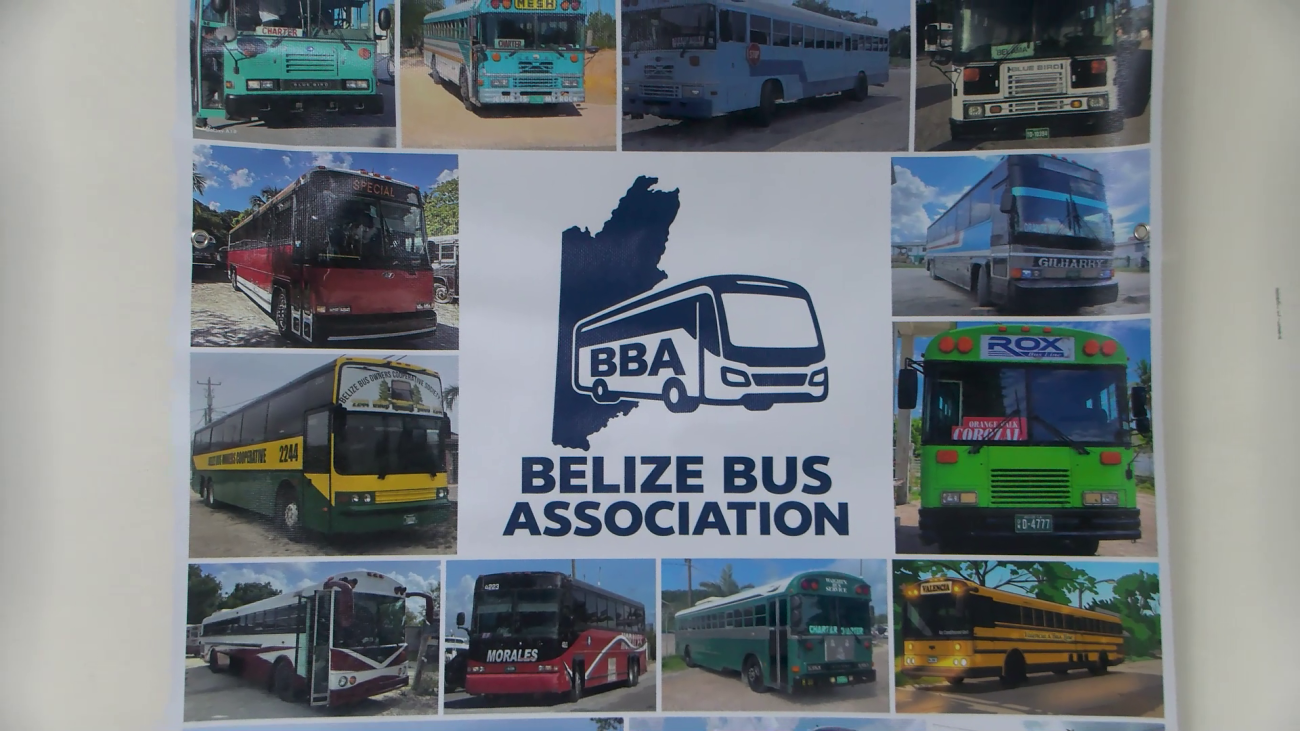
Belize’s Bus Industry Faces a Makeover, But Who Will Pay?
The Belize Bus Association is promising a cleaner, smarter future for public transportation, complete with digital payments, online bookings and buses powered by locally produced ethanol. But behind that ambitious pitch are several unanswered questions. Can operators unite, who will finance the transformation and how quickly can the association move from proposals to implementation? Shane Williams reports.
 Shane Williams, Reporting
The Belize Bus Association wants to modernize public transportation, but its first challenge is not technology or fuel. It is getting bus operators to work as one. The association plans to form a cooperative, giving operators greater collective buying power and a better chance of securing financing. BBA President Froylan Gilharry says the model would also put small and large operators on more equal footing.
Froylan Gilharry
Froylan Gilharry, President, Belize Bus Association
“We are in the process right now of becoming the bus, the BBA Cooperative, and that will ensure that all the members that are in there will have the same level playing field from the smallest to the biggest. Because only through uniting everyone is we can get better prices in economics of scales, and more than that, seek even funding for it. It will not cost the commuters. It will be an expense absorbed by the bus owners.”
 If operators come together, one of the first changes commuters could see is a digital payment system. The association wants passengers to book trips online, buy tickets with credit or debit cards and use prepaid membership cards. Some operators already use handheld machines to issue tickets, but passengers must still pay conductors in cash.
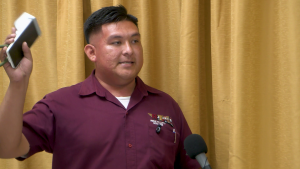
Alderic Tillett
Alderic Tillett, Vice-President, Belize Bus Association
“The only thing that we are utilizing at the present moment that’s – is the handheld machine, which is already providing the tickets, but we are using it as whereby they purchase their ticket and they pay in cash to the conductors at the terminal. But we are looking forward for them to be able to pay with cash, with their credit cards and debit cards as well, not just with cash. So it’s something that it can be done as they mentioned, can be done, but it’s not being implemented as yet.”
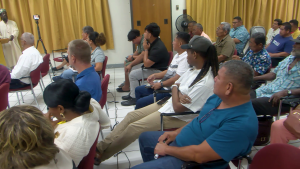 The technology may be available, but the money is not yet secured. At Wednesday’s launch, the association presented its vision without a completed feasibility study, confirmed financing or a detailed timeline for implementation. The BBA is looking beyond digital ticketing and exploring ethanol-powered buses. The idea is to turn sugar-industry molasses into fuel, modernize public transportation and create a new market for Belizean sugar. Economist Rudolph Castillo says it could also keep more money circulating in the local economy.
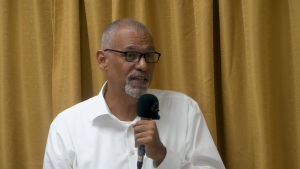
Rudolph Castillo
Rudolph Castillo, Economist
“In my little background as an economist, that’s the part that’s most exciting to me. I know these guys love the buses. I love buses too, but my thing is the economics of it and really where you could have one objective solved with transportation but also help out the economy, to me that is really something that’s special. It’s not just transportation. It’s not just clean air. It’s really helping the overall economy and keeping more cane dollars at home and reducing the cost to agriculture in general and also transportation.”
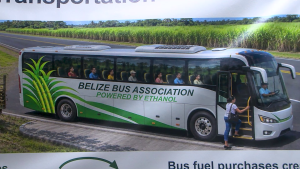 The plan includes a conversion plant capable of producing more than six hundred thousand gallons of ethanol annually. For now, however, it remains a proposal. Building the plant would require significant investment and support from the government, international lenders and the sugar industry. Gilharry says the association wants to begin with two buses and test the idea through a pilot project.
 Froylan Gilharry
“What we want to do is to do a pilot project, bring in two buses, and the ethanol can come from either side of the border for the pilot project. So that could be done in three months. What is essential is that basically having the support of the people in the climate, economy that they, IDB or Taiwan and so forth. Obviously, it takes government initiative and so forth.”
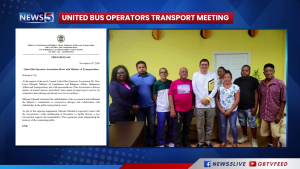
But unity within the industry remains a challenge. While the BBA unveiled its initiative, breakaway members of the newly formed United Bus Operators Association were meeting separately with Transport Minister Dr. Louis Zabaneh. In a press release, the ministry confirmed discussions on improving commuter services and reducing operating costs, with a wider meeting planned for December. With operators now divided, the question is whether the industry can modernize without first finding common ground. Shane Williams Reporting for News Five.
Attention readers: This online newscast is a direct transcript of our evening television broadcast. When speakers use Kriol, we have carefully rendered their words using a standard spelling system.
Watch the full newscast here: