



BTL–Speednet Deal Under Fire from Streets to Senate
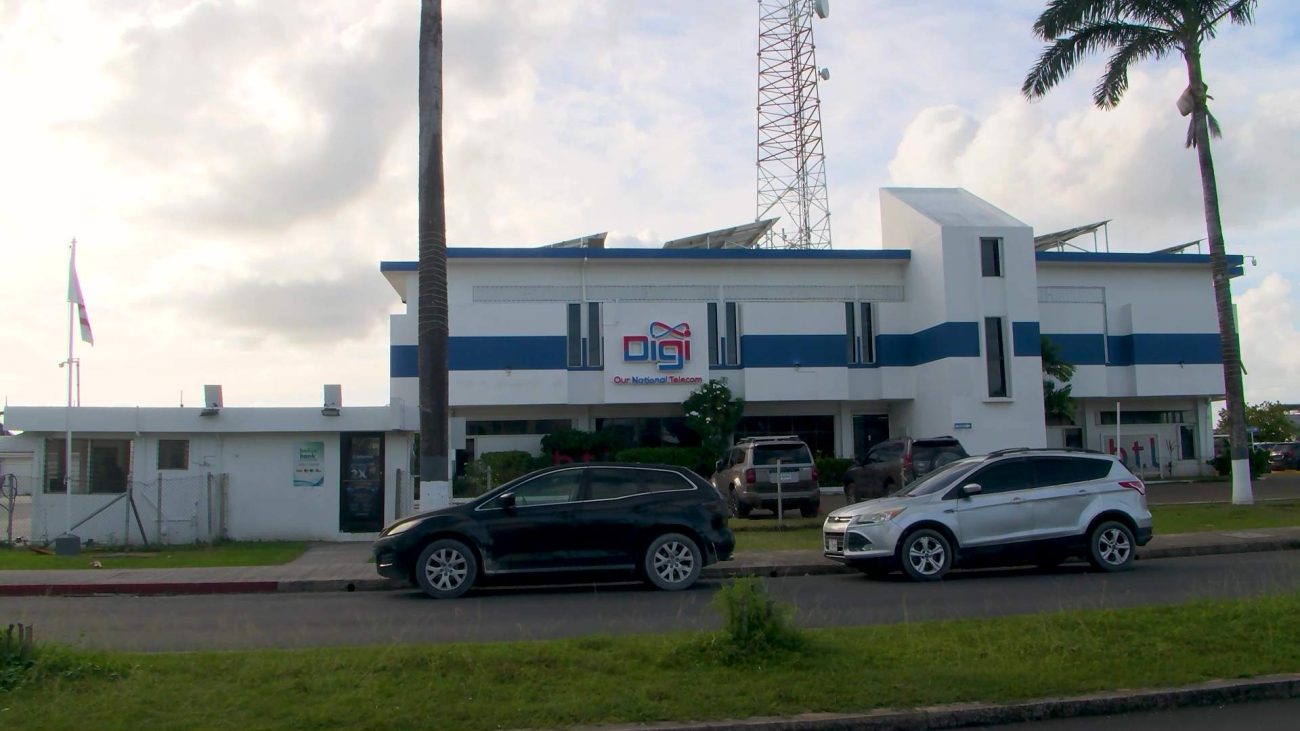
Tuesday’s protest outside Belize Telemedia’s headquarters quickly turned chaotic, as UDP supporters and members of the NTUCB took to the streets over BTL’s proposed eighty‑million‑dollar buyout of Speednet. The deal is also facing pushback beyond the protest lines. Several independent senators are now raising red flags, calling for full public disclosure, independent valuations, and a clear explanation before Cabinet makes any move. They argue the merger could violate the Telecommunications Act by limiting competition. So, with the pressure mounting, we went straight to the Ministry of Public Utilities. Today, we asked CEO Dr. Leroy Almendarez how the government is responding to those concerns.

Dr. Leroy Almendarez
Dr. Leroy Almendarez, CEO, Ministry of Public Utilities, Energy and Logistics
“What would need to happen here, and I think what you’re referencing is something called dominance. You can have a dominant provider in the market, but let me just bring a comparison here to, since we were talking about BEL before, some people refer to BEL as a monopoly and believe that it’s a bad thing. There’s several things that happen there. BEL is a monopoly because they’re the only ones who distribute power. They buy and distribute. They’re referred to as a natural monopoly. And what a natural monopoly simply means if you bring in, imagine putting some another entity here distributing electricity and you have parallel grids. You have so many lampposts and so many lines that will create an issue. That would create an issue. But there is competition in generation. They can buy from other sources. When you talk about a marketplace can have a dominant provider because of the market share that they have and that market share determines, okay, so if you have eighty percent and I have twenty percent, you are the dominant provider. In this case, I’m a minority provider in a sense, because you are more dominant than I. Eighty plus twenty make up the market. If it is unregulated, then it poses an issue, but it does not take away the authority and the rule of the of the regulator, the PUC. If you notice every conversation I’ve heard, when I hear some of the interviews. I heard the Prime Minister said that there would have to be a greater role for the regulator. He said that, and I heard him emphasize that if that were to occur, it means that they would have to be much more stringent. But the Public Utilities Commission has its authority.”

And from the government’s side, Dr. Leroy Almendarez says having a dominant player in the market isn’t automatically illegal. He explained that dominance only becomes a problem if it’s unregulated, and stressed that the Public Utilities Commission still has full authority to step in. Almendarez echoed the Prime Minister’s position, saying the PUC would have to play a stronger, more stringent role if the deal moves forward.
Facebook Comments