



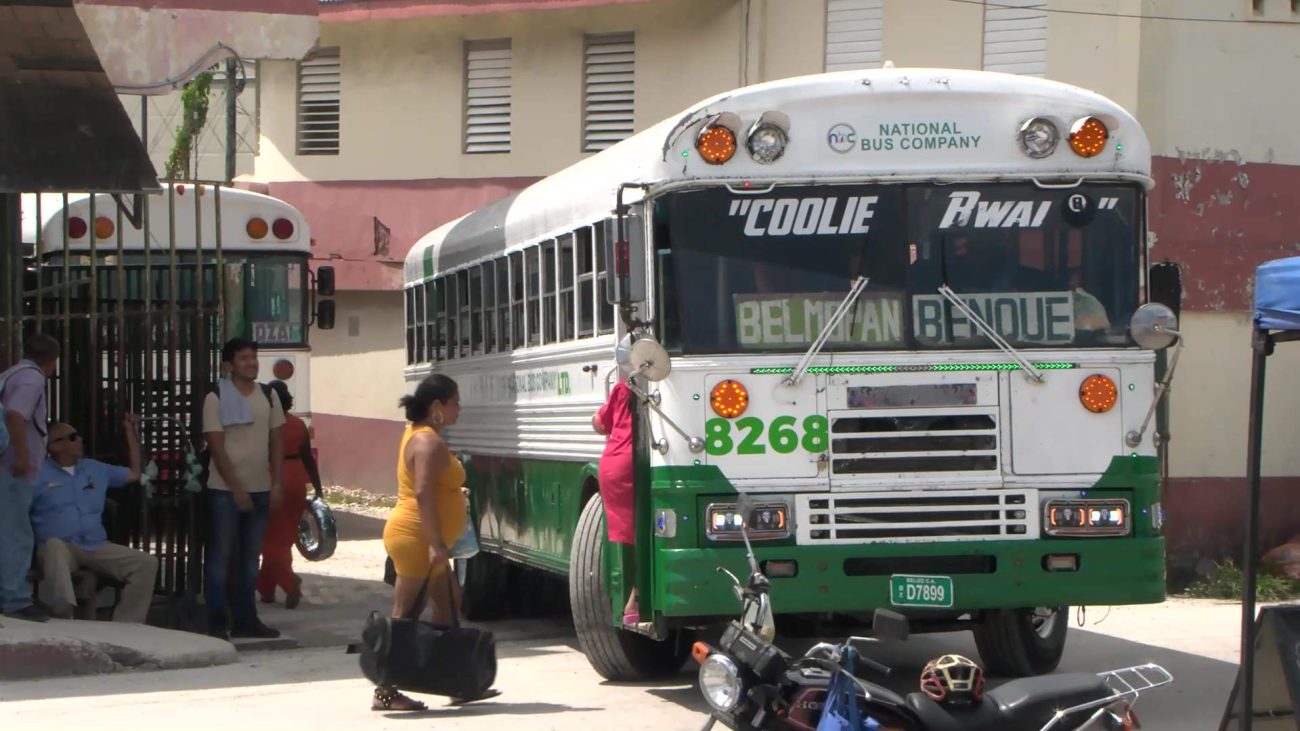
Bus Association Demands Gas Subsidies or Two Dollar Fare Increase
Tonight, Belize’s independent bus operators are pumping the brakes hard. They say soaring fuel prices and rising operating costs are driving the industry to the edge, and something has to give, fast. In a letter to Transport Minister Doctor Louis Zabaneh, the Belize Bus Association lays out three paths it says could keep buses rolling: fuel and parts tax relief, the return of government subsidies, or higher fares. But with authorities warning that any unauthorized fare increase is illegal, operators insist they’re running out of time and options. Today, the association went public, warning that if nothing is done, collective action may be next.
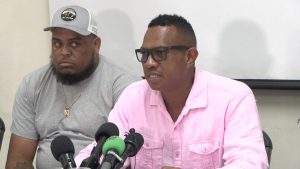
Philip Jones
Philip Jones, President, Belize Bus Association
“The fuel prices is a serious concern for all operators at this time and we have wrote the Department of Transport and the minister asking for three assistance: one being remove the GST from the fuel for all bus operators. Remove the tax from parts or battery. The second request was we can reinstate the subsidy that was initiated in the time of COVID. Or three adjustment and raise in increase of fares or in fuel. So we just wrote the minister yesterday, so we’ll give them time to respond to us. And from there I will meet with my executive and the members and then we’ll plan our next course of action.”

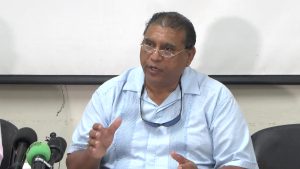
Ferland Gilharry
Ferland Gilharry, Member, Belize Bus Association
“At the present moment, this fuel price is in reality a crisis for independent bus operators, school bus operators, the individual bus operators that are have independent operation, not with the new one that is formed but this one. All we ask for is a fair playing level field.”
Philip Jones
“We were negotiating with the government prior to this former minister, and prior to this we were looking for two dollars for long drop and dollar for short drop. So in, in other words, if short drop would’ve been two dollars, it would be three now. And if a long drop to Belmopan would’ve been seven or eight, would’ve been nine or ten now.”
 Bus Association: “We Control Majority – We Want equal Treatment”
The Belize Bus Association argues that this isn’t about favors; for them, it’s about fairness. Operators say that while the National Bus Company benefits from taxpayer‑backed support, independent bus owners who carry most daily commuters are being left out. They say hundreds of buses still serve villages, rural routes, and major highways, yet receive none of the same assistance as the public‑private partnership. As government pushes to modernize public transport, operators insist independents deserve equal access, not handouts, but a fair share of support funded by the very taxpayers they serve. Here’s more from President Philip Jones and member Ferland Gilharry.
Philip Jones
Philip Jones, President, Belize Bus Association
“The NBC have twenty percent. Me and my colleague, we were discussing it and it’s about seventeen to eighteen percent of the market. Now you have over six hundred buses running in the country. They have about fifty to forty-seven runs. We have majority with the village, the busitos. We have even taxis. We have rural runs and the highway runs. So we have majority. So all these people will be affected.”
Ferland Gilharry
Ferland Gilharry, Member, Belize Bus Association
“What they’re trying to do is modernize the system, which we agree with modernizing the system. So what we are requesting then is to make certain that the same benefits others have, which is other owners where PPP is also given to the individual. Why it is much more than disingenuous? Because if you are telling me that you’re giving to this man privileges of this and this, and you’re saying to this person, no, you choose to be independent. Yes, we choose to be independent, but we serve the general public. And the general public is the one that pays the taxes that you are using. So all we are asking, we are not asking for him to give us something for free. Give us the same opportunity that you’re giving the other one.”
They carry most commuters and want equal access, not special treatment.
Attention readers: This online newscast is a direct transcript of our evening television broadcast. When speakers use Kriol, we have carefully rendered their words using a standard spelling system.
Watch the full newscast here:
Facebook Comments