


Businesses Want Better Returns for Power Sold Back to BEL
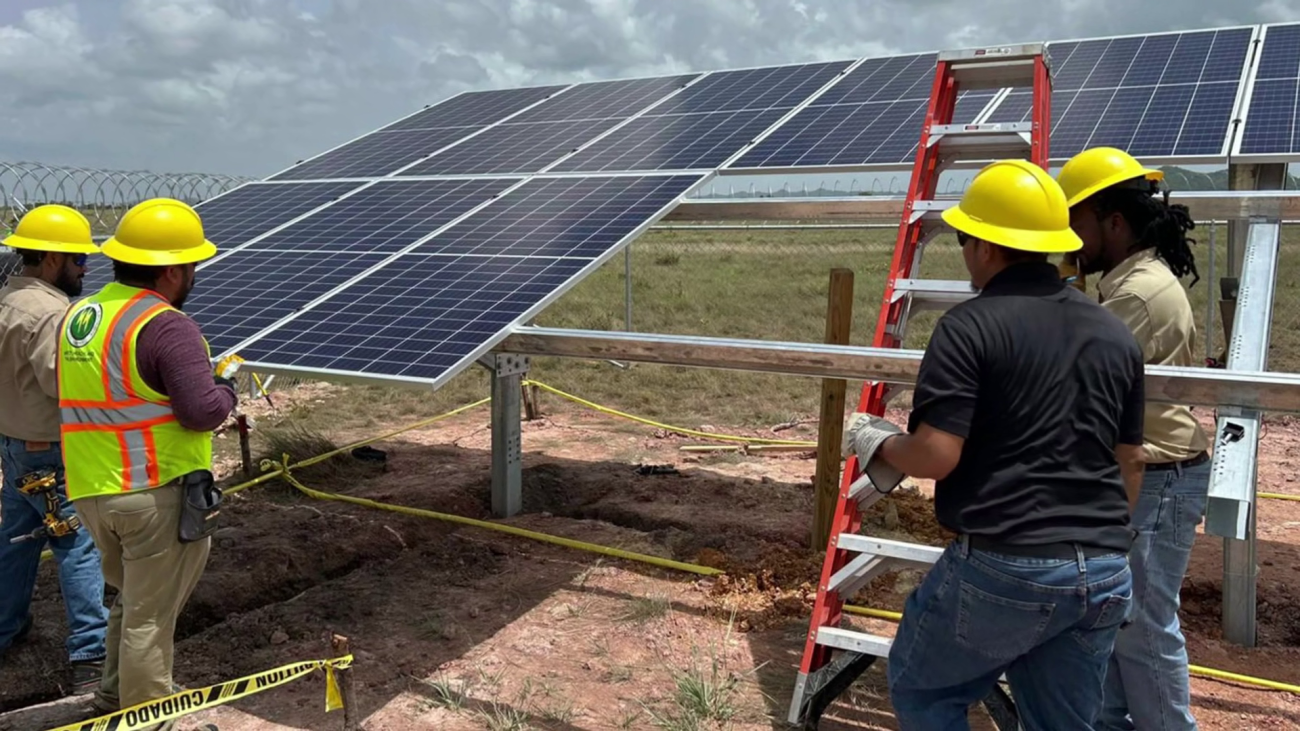
As businesses turn to solar to cut electricity costs and protect themselves from power outages, a growing question is whether BEL’s sellback rate is enough to encourage more investment. Companies can already send excess solar power back to the grid, but BEL pays just thirteen cents per kilowatt-hour. At Tuesday night’s Energy Business Mixer, one business representative challenged that rate, arguing that better compensation could encourage more businesses to go solar and help ease pressure on the grid. But where did that thirteen-cent rate come from? BEL executives have their explanation, and it comes down to balancing fair compensation with the cost of electricity for everyone.

Sean Fuller
Sean Fuller, General Manager, Finance and Business Support, BEL
“I think you’d want to know where that 13 cents came from, right? In one of the slides, I showed you the sources of energy that feed the grid. The cheapest was Hydro Maya at 13 cents per kilowatt hour, and the PUC in its wisdom decided that’s the rate that we will start this feeding tariff at. But as Karique is saying, they’re doing a study to understand whether or not that is the fairest number, and I have a feeling it will be a bit higher than that.”

Karique Marin
Karique Marin, General Manager, Energy Solutions, BEL
“The rates are indeed regulatory. However, recently, about a week ago, the government, actually the ministry, held a very similar panel in which BEL, PUC, and the Ministry of Energy all sat on it. What came out of that, and we feel the question is similar to this from the general public and interested parties, was an agreement that all three parties would collaborate and work together to actually come in and solve that distributed generation issue. There are a lot of issues, including cost, and actually that is solved through a study that is going to be done that looks at the cost deferred from solar and what that cost would be for adequate compensation.”

Austin Castro
Austin Castro, Manager, Information Technology and Cybersecurity, BEL
“On one hand, yes, as the customer investing in your solar, you want to recoup that cost, and we understand that. And we want your solar as well, but the higher that number goes, the higher the pressure it comes on the cost of power overall, so we have to strike that balance.”
Attention readers: This online newscast is a direct transcript of our evening television broadcast. When speakers use Kriol, we have carefully rendered their words using a standard spelling system.
Watch the full newscast here: