


Can Belize Bounce Back When Disaster Strikes?
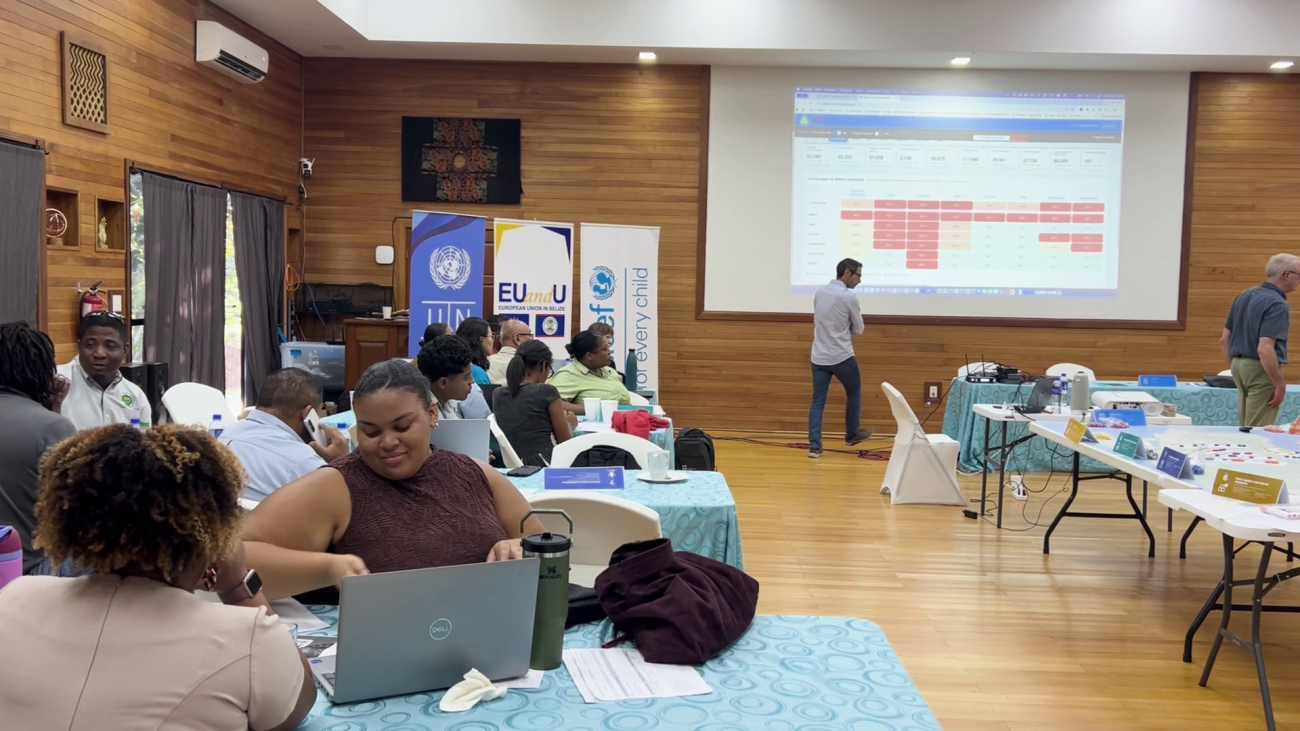
What happens after the winds die down, the floodwaters recede and families are left to rebuild their lives? That’s the question Belize is putting under the microscope this week as emergency officials and international partners test how prepared the country really is to respond to and recover from a major disaster. In a four-day exercise led by the National Emergency Management Organization, UNICEF and the United Nations Development Programme, participants are confronting a simulated Category Five hurricane to expose weaknesses in everything from evacuations and shelter management to emergency relief and long-term recovery. But this is about more than surviving the next storm. Organizers want to protect children and vulnerable families while improving coordination across all sectors. The goal is to fix critical gaps now and build Belize’s first national disaster recovery framework before the next major storm hits.
Daniel Mendez
Daniel Mendez, National Coordinator, NEMO
“The gaps are being identified will be used in order for us to create an action plan. And so we’re looking at these immediate actions, things that we can fix it quickly. But also, using this information to work with our other partners to try to fill those gaps. Particularly in areas such as financing, in terms of leadership, in terms of other specialized support that is necessary to integrate into our system.”
Vanessa Schultz
Vanessa Schultz, Disaster Risk Reduction & Recovery, UNDP
“In 2024, CDEMA, which is the Caribbean Disaster Emergency Management Agency, conducted its comprehensive disaster management audit, recovery was identified as one of the weakest elements in the system. So UNDP, together with government stakeholders and with support, from the European Union under the European Union Caribbean Resilient Program, is really looking at strengthening the recovery system as a whole. So we look at institutional capacities, we look at financing architecture. We also look at the availability of data and how that data can be used to inform recovery planning.”
Jenna Hoare
Jenna Hoare, Emergency & Disaster Risk Reduction Officer, UNICEF Belize
“The reason why UNICEF supported NEMA on this initiative is because we wanted to ensure that children and adolescents are able to benefit from these essential services during, before, and after an impending impact. One of the things that we are looking to achieve from this is to really see if the system is able to provide these essential services for children and for vulnerable groups. So this also includes elderly persons with disability. And so one of the things that we’ve done, we’ve brought the entire national emergency system together. And so we really brought different ministries together to really look at what are their existing SOPs, what are some of the resources that they have, but then also looking at the gaps.”
The workshop brought together government agencies, the private sector and civil society to begin developing Belize’s first national disaster recovery framework, aimed at improving coordination, financing, planning and preparedness for recovery before a disaster occurs.
Attention readers: This online newscast is a direct transcript of our evening television broadcast. When speakers use Kriol, we have carefully rendered their words using a standard spelling system.
Watch the full newscast here: