


Caribbean Leaders Push for Regenerative Tourism
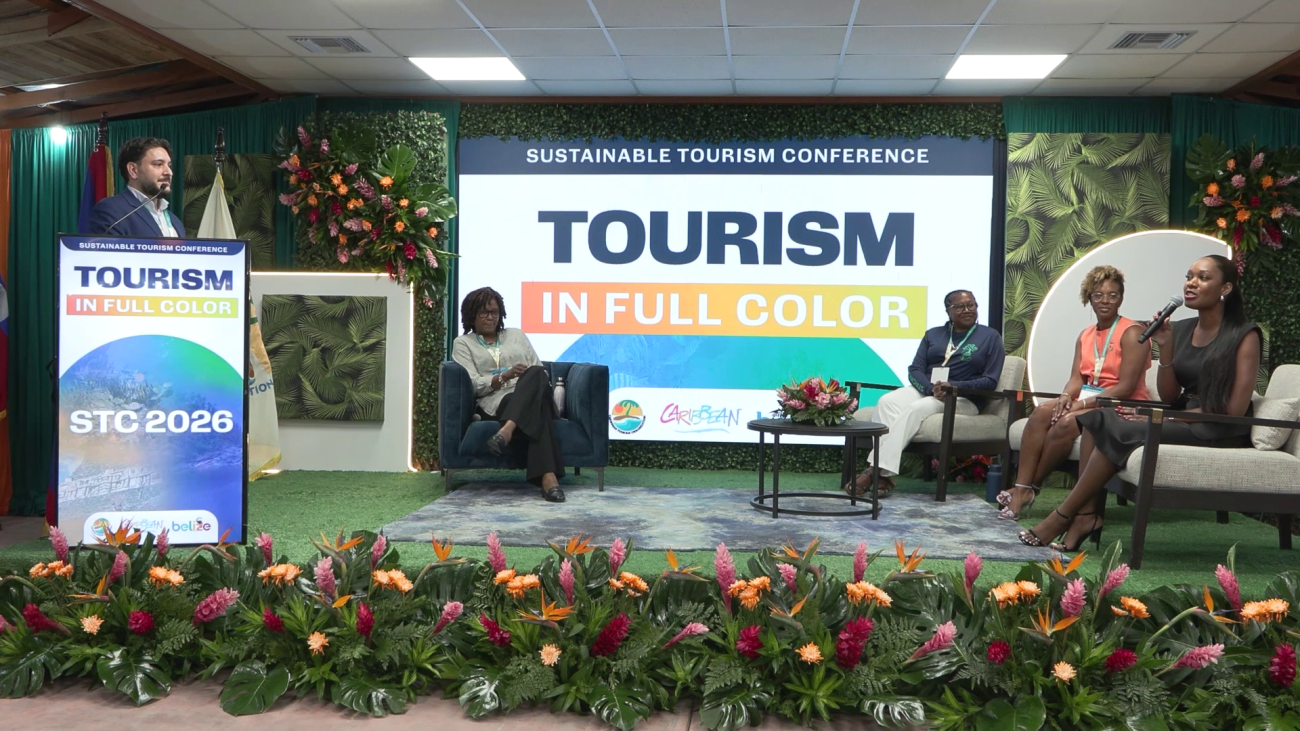
Tourism is booming worldwide, breaking records and pouring trillions into the global economy, but this week in Belize, the conversation is taking a thoughtful turn. With international arrivals hitting unprecedented highs, tourism leaders from across the region and beyond have gathered here to confront a critical challenge: how to grow tourism without overwhelming communities or damaging the natural spaces visitors come to enjoy. Instead of chasing sheer numbers, the focus is shifting toward sustainability, balance, and long term impact, what industry leaders are calling “better tourism.” As News Five’s Zenida Lanza reports, Belize is positioning itself at the center of that conversation, pushing a model that protects livelihoods, preserves nature, and ensures tourism benefits everyone, not just the bottom line.
 Zenida Lanza, Reporting
Tourism accounts for an average of thirty-two percent of GDP across the Caribbean, and in some countries, that figure climbs as high as ninety percent. Across the region, the sector welcomed an estimated seventy million visitors in 2025. But with that scale of dependence comes a pressing challenge: how to keep tourism thriving without eroding the very natural and cultural assets that make the Caribbean unique.
Evan Tillett
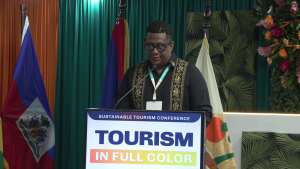
Evan Tillett, Director, Belize Tourism Board
“What we protect sustains us. That lesson did not arise from theory but from recognition that our natural and cultural assets are finite and, once compromised, are not easily restored. The question, therefore, was never whether we pursue growth, but how we grow without forfeiting the very foundation that makes growth possible.”
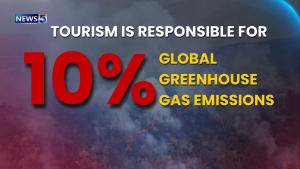 A growth that comes at a cost, that is the industry. Tourism is responsible for roughly ten percent of global greenhouse gas emissions, and pollution continues to threaten the very ecosystems that tourists come to see.
Anthony Mahler
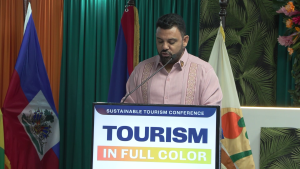
Anthony Mahler, Minister of Tourism
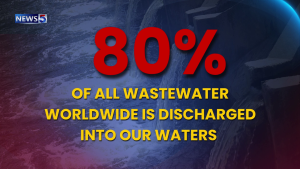
“The pollution crisis is real, and it threatens everything we need to protect our environment, our public health, and most of all, our people. It is driven by inadequate waste management and unchecked coastal development. The ocean absorbs an estimated 8 to 12 million metric tons of plastic waste every single year. Approximately 80% of all wastewater worldwide is discharged into our waters without adequate treatment. The consequences are visible all across our region. Our beaches are eroding, our coral reefs are experiencing bleaching, and sargassum is relentlessly pounding our coastlines.”
 That tension between economic gain and environmental cost is not unique to Belize. Around the world, communities are grappling with how tourism can deliver prosperity without displacing the very people and cultures that sustain it. From New Zealand, tourism leaders say the industry has often prioritized growth over care, protection, and giving back.
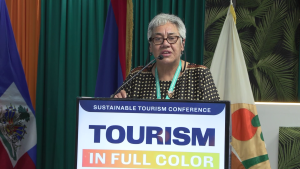
Pania Tyson-Nathan
Pania Tyson-Nathan, Chief Executive, New Zealand Māori Tourism
“Tourism has been very good for growth. It has been less good at respect to care, protection, and importantly, giving back. And even less effective at ensuring that local businesses, communities, and peoples are the ones that benefit from it. That is the tension we are all navigating, and one of the reasons we are all here. Low value jobs creating low value economies, and I dislike this one immensely, gentrification, where locals can no longer afford to live in their homes or in their tribal lands because policies and consents have favored developers who turn our homelands into playgrounds or holiday homes.”
Local communities, especially Indigenous ones, have long been shortchanged by tourism. Now, regional leaders say it’s time for the industry to move past sustainability and deliver real, fair benefits.
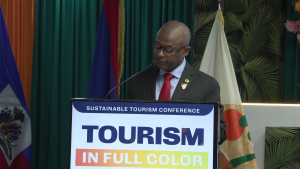
Ian Gooding-Edghill
Ian Gooding-Edghill, Minister of Tourism, Barbados
“We must move toward regenerative tourism. Our efforts go beyond minimizing harm to actively restoring ecosystems, strengthening communities, and preserving and celebrating our cultures. It is about shifting from doing less damage to creating a net positive impact for our people, our environments, and of course our economies.”
As the conference continues, one message stands out: tourism’s future may not depend on how much it grows, but on how well it works for people, culture, and the environment. Reporting for News Five, I am Zenida Lanza.
Attention readers: This online newscast is a direct transcript of our evening television broadcast. When speakers use Kriol, we have carefully rendered their words using a standard spelling system.
Watch the full newscast here: