



CCJ Upholds BTB Contracts Despite Board’s Failure
A paperwork failure by the Belize Tourism Board was not enough to erase two employment contracts or the financial obligations attached to them. The Caribbean Court of Justice has ruled in favor of former BTB executives Karen Bevans and Misty Michael, dismissing appeals and cross-appeals in the long-running dispute. The judges agreed that the appointments were never formally approved by a majority vote of the board or recorded in its minutes. But they found that the board knew about the contracts, allowed the women to work under them and could not later use its own procedural failure to avoid paying what it had agreed. The judgment also carries a blunt message for statutory boards across the Caribbean: ministers may provide direction, but board members must think and act independently, or risk being held accountable for failing in their duties. Senior Counsel Dean Barrow represented Bevans and Michael.
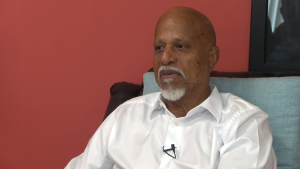
Dean Barrow
Dean Barrow, SC, Attorney-at-law
“I’m very pleased to be able to report that we won. The CCJ affirmed the decision of the Court of Appeal and the decision of the High Court. Remember, we had won in the High Court, we won in the Court of Appeal and then, ultimately, they took it to the CCJ. Interestingly enough, while we won, we had also filed two cross appeals because we figured we would win on the basis of the decision of the Court of Appeal which is that the appointments of these two ladies was not done with the correct degree of regularity. In fact, in effect, they signed their contracts before the board of directors had had a chance to see those contracts, and to approve those contracts. The Court of Appeal found [that] under the law, it is the board that makes the contract, not the chairman and deputy chairman of the board together with the minister and the CEO. It is the board. And so, that was a defect, but, of course, the board, afterward, ratified the contract which it hadn’t made and then there was performance of the contract, to the satisfaction of the board and to the satisfaction of both Mrs. Bevans and Mrs. Michael in separate cases. So, on that basis, the CCJ, as did the Court of Appeal and, as did the High Court, found that ultimately the contract must prevail and that both Mrs. Michael’s and Mrs. Bevans’ vindication must be maintained, must be upheld, must be underlined.”
 CCJ Orders Full Payout for Former BTB Executives
Not just a legal victory, but every dollar promised under the contracts. That is what Karen Bevans and Misty Michael, former Belize Tourism Board executives, secured after the Caribbean Court of Justice upheld awards requiring the BTB to pay them for the remaining periods of their agreements. The board had argued that the termination clause was excessive, unfair and amounted to a penalty because it required full payment after dismissal without cause. But Senior Counsel Dean Barrow says the CCJ rejected those arguments and upheld the decisions of the two lower courts.
Dean Barrow
Dean Barrow, SC, Attorney-at-law
“There was one other issue, of course, whether, even if they succeed, they should get the monies that the two courts below awarded them, under the terms of the contract that said, if I fire you without cause I must pay you for the entire rest of the contract, the unexpired portion of the contract. There was some argument that that was unconscionable, that that was extortionate, that that was a penalty. The court dismissed that and said, not only do they succeed, they succeed and they must get every dollar that was paid to them under that particular term of the contract which was upheld by both the courts below and the CCJ.”
Isani Cayetano
“What does this entire process mean for contract law and contracts, and how some people would arbitrarily seek to cancel or terminate a contract without honoring the clauses and what-have-you?”
Dean Barrow
“Well, this is black letter law now that you can’t do that. The courts will not allow that.”
The ruling sends a clear warning to employers: end a contract without cause, and the financial obligations still stand.
Attention readers: This online newscast is a direct transcript of our evening television broadcast. When speakers use Kriol, we have carefully rendered their words using a standard spelling system.