


Central America Braces For El Nino’s Effects on Agriculture
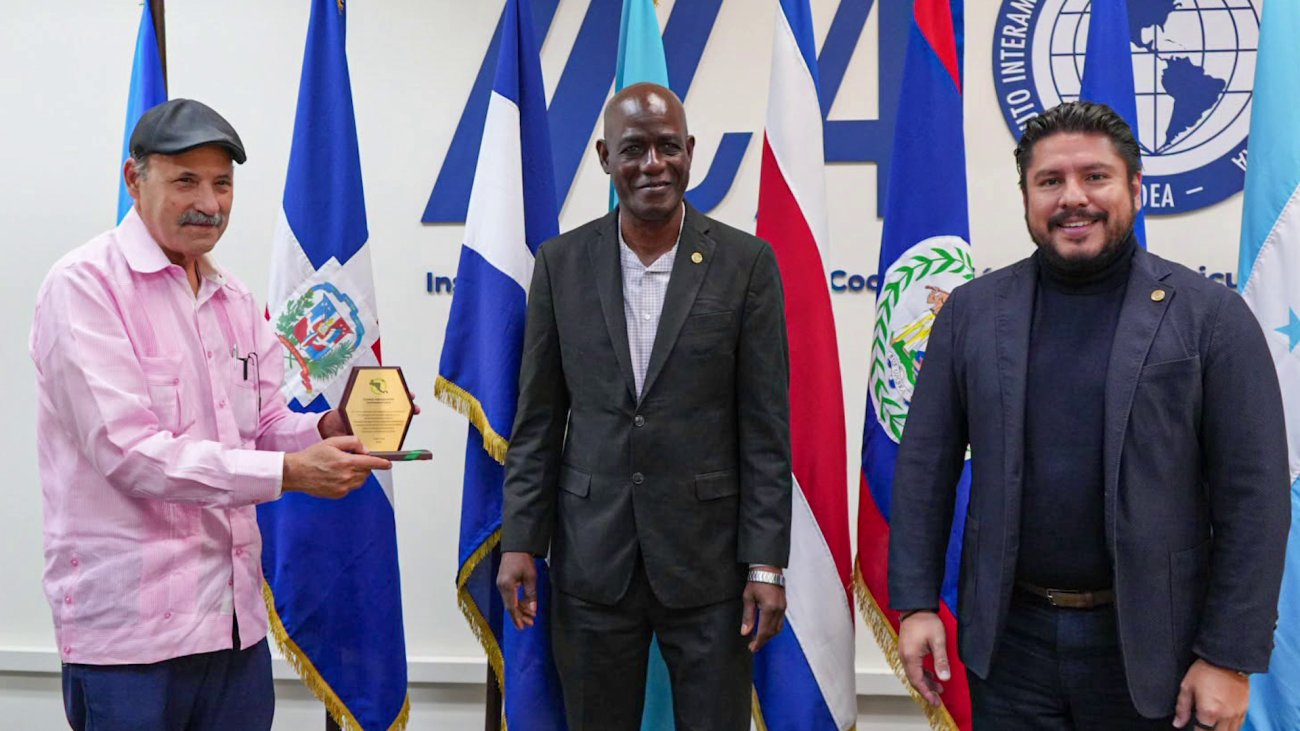
Central America is getting ready for what could be a tough stretch for farmers. With the 2026-2027 El Niño phenomenon expected to bring drought, extreme weather, and added pressure on food production, agriculture ministers from across the region met Thursday in San José, Costa Rica, to plan a coordinated response. Belize’s Minister of Agriculture, Rodwell Ferguson, is leading those discussions in his role as Pro Tempore President of the Central American Agricultural Council. The focus is on finding the resources farmers will need to weather the impacts and protect regional food security. Minister Ferguson says no country can face this challenge alone, and that cooperation among member states is the only way forward.
 On the Phone: Rodwell Ferguson, Minister of Agriculture
“It’s the conversation between all the countries of Central America and we pool our resources together. And so yesterday we met and everybody is supposed to come up with a plan that we want to accomplish within the next six months. And right now the main criteria or priority might be the El Niño that is affecting the region. And so we want to see how we can access some funds to be able to assist each and every country to combat the El Niño, especially our farmers that are being affected. So we are saying we can find some resources for them. Again, it might be grant funding because the resources is not there on a shelf but we have to put on our thinking cap now to make sure we can support the agriculture industry.”
Shane Williams
“What have your conversation been like with farmers, Minister, in terms of their concern for the El Niño that’s upon us?”
Rodwell Ferguson
“Technically yes, it’s upon us, I believe until July of twenty twenty-seven and every country is already feeling the effects of it. Some receive severe heat, some outbreaks of rain and storms like a tropical storm and so it affect the crops. And with those with extreme heat, it affect the availability of water. So as a body, we have to figure how we can combat it. It’s difficult because it’s a natural phenomenon but at the same time, we can’t just sit idle by and say let it be. And so as the CAC, we left and departed yesterday from a meeting with one ideology to find a solution how we can assist the entire region. And what we are saying then, if we are a region and we are integrated, then we’re supposed to work together as one team to make sure that everybody gets the benefit out of whatever comes to the region.”
Attention readers: This online newscast is a direct transcript of our evening television broadcast. When speakers use Kriol, we have carefully rendered their words using a standard spelling system.
Watch the full newscast here: