

Central America Unites to Safeguard Indigenous Languages
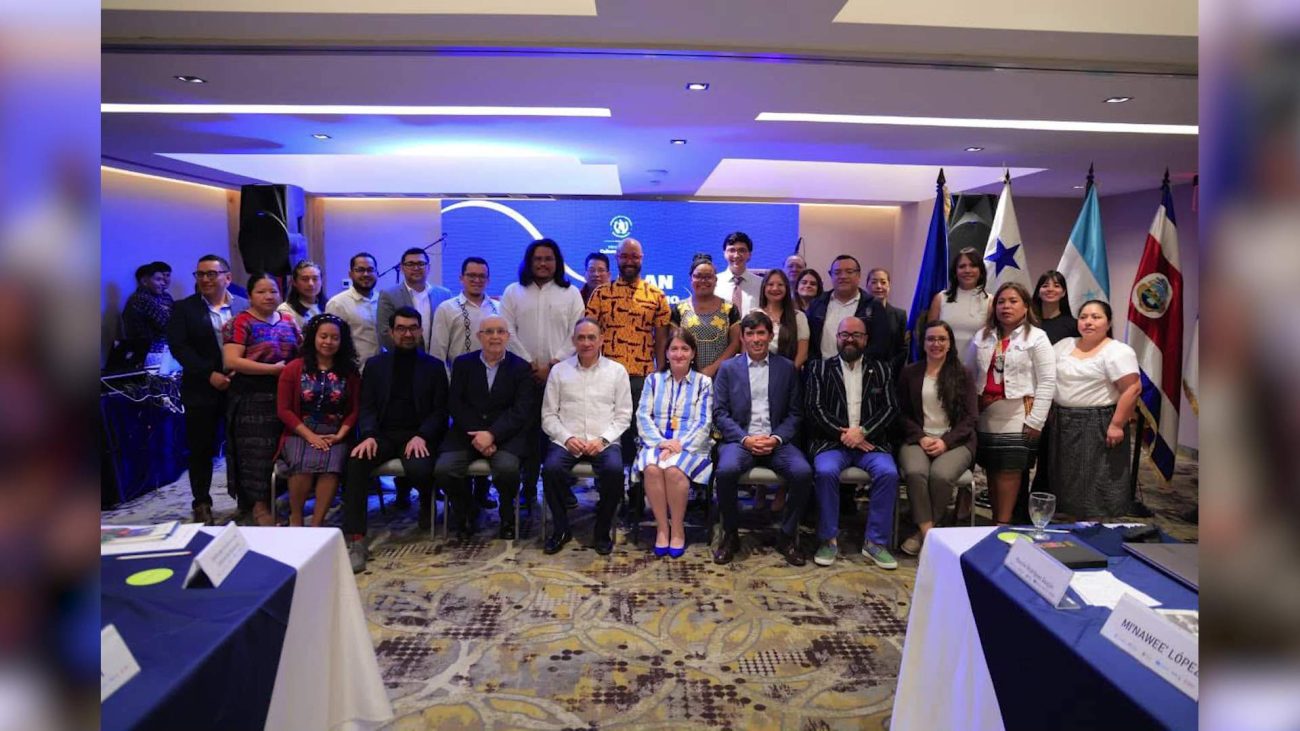
As the world marked International Mother Languages Day this weekend, Belizean voices were right at the center of a major regional milestone. Cultural leaders from across Central America gathered in Guatemala to launch a historic initiative, the Indigenous Language Plan for Central America, a coordinated effort to protect and elevate the languages that hold our region’s identity together. Here at home, Belizean representatives played a key role. Rolando Cocom of the Institute for Social & Cultural Research says months of collaboration led to Saturday’s launch, all aimed at giving indigenous languages the visibility and safeguarding they urgently need. And from the University of Belize, Delmer Tzib underscores why this work matters even more: indigenous languages aren’t only part of our heritage, they’re a fundamental right. A right to speak your mother tongue, to share it openly, and to ensure it lives on through future generations.
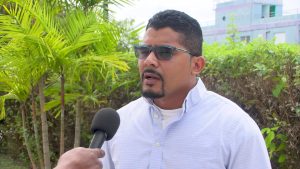
Rolando Cocom
Rolando Cocom, Director, Institute of Social & Cultural Research
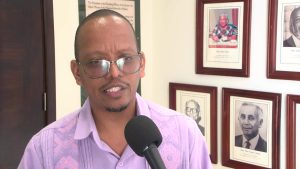
“Over the weekend, on Saturday, we celebrated, as a global community, International Mother Languages Day and on that occasion, it was very special for us at the regional level within Central America because we convened in Guatemala to acknowledge and to launch a language plan called the Indigenous Language Plan for Central America. Over that event and throughout the past few months, we’ve been engaged with our Central American neighbors to assess the situation when it comes to indigenous languages in the region and to identify some common objectives that we can agree on, to preserve, to promote, to give international visibility about the need for language safeguarding.”
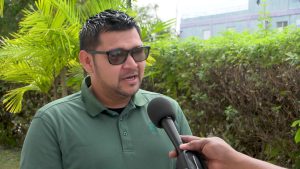
Delmer Tzib
Delmer Tzib, Coordinator, Intercultural Indigenous Language Institute, UB
“The interaction, or the regional engagement for indigenous languages has started for months. It’s not something that just came about. We’ve been engaged with investigations on the situation in Belize, along with other partners in the region. So we’ve working along with the Iber-American Indigenous Language Institute and learning, really, what is the context of the region. As it relates to the experience, itself, I think there are two important messages to take from it. The first one is that indigenous languages are important for heritage. But the other element also, is that it is a right. It is a right that you have to speak your mother tongue. It is a right to share your mother tongue and to keep on transmitting it from generation to generation.”
Attention readers: This online newscast is a direct transcript of our evening television broadcast. When speakers use Kriol, we have carefully rendered their words using a standard spelling system.
Watch the full newscast here:
Facebook Comments