


Children are Paying the Price for Online Negligence
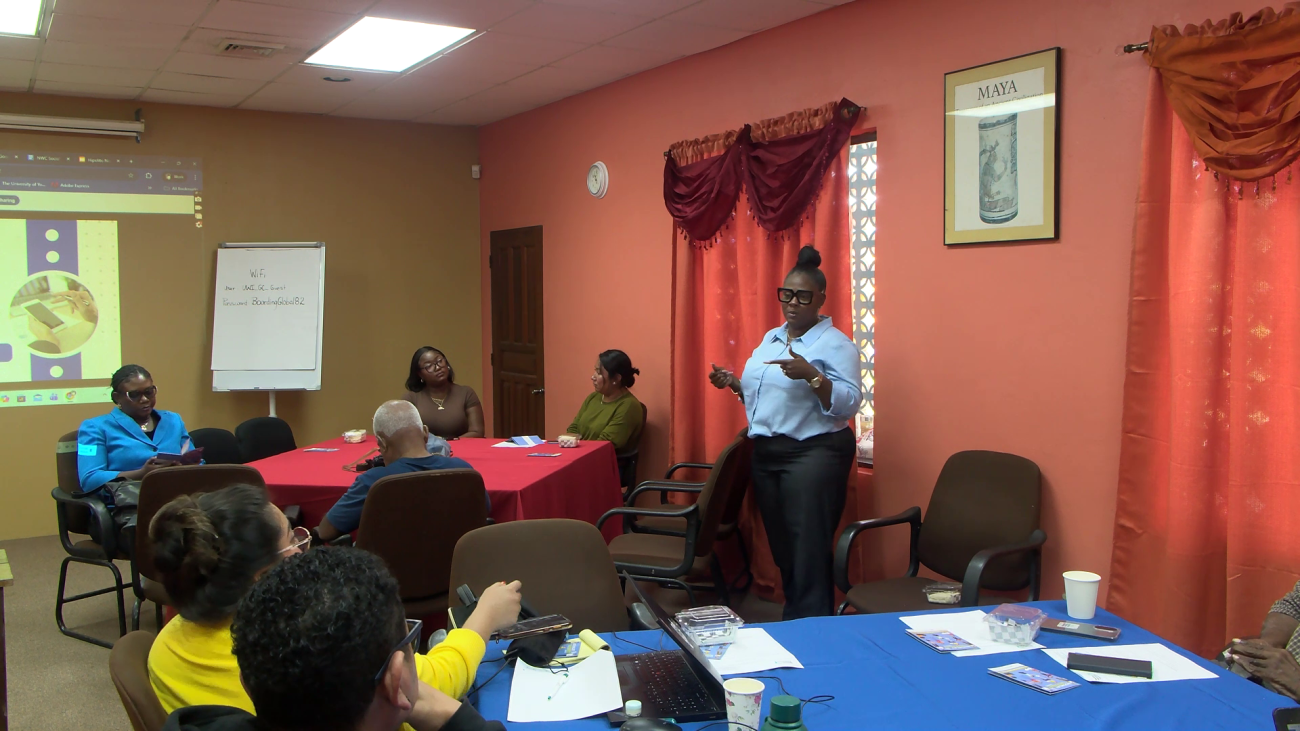
Every time a child’s name, face, or location is shared online without a second thought, the damage can follow them for life. The National Commission for Families and Children is pushing back, calling on media houses and online news pages to think harder about what they post and how it affects Belize’s most vulnerable. In the age of social media, where algorithms reward the most shocking content and false information spreads faster than corrections ever could, the NCFC says Belize’s children are paying the price. We heard from Executive Director of NCFC, Shakira Sutherland.

Shakira Sutherland
Shakira Sutherland, Executive Director, NCFC
“Several times we have noticed that there is children’s information—age, location, all these information in regards to our children that does not need to be on social media or the internet by itself. So how can we share the information, encouraging the public to know that, yes, while they have a voice and an opinion, it’s important to post information that will safeguard our most vulnerable population. We did usually garner the attendance of our media houses. But what we are trying to constantly, or the persons who we are trying to constantly work with are other social media personnels that will, you know, create these pages on Facebook, to be news, to showcase news items. And so we had shared out these invitations to these online news entities because we have noticed that a lot of these news entities are the ones that are sharing and disseminating information, incorrect information, and content to the general public. These pages will pose threat in terms of posting images, videos, going viral with the comments and content. This information can be very much deteriorating to one’s image, emotional, mental, physical capacity. And so it’s important for these persons to look at what they’re posting. Think before they post.”
 Sensational Media Coverage Pushes Youths Deeper into Crime
One of today’s presenters was Ganesha Smith, Acting Director of the Community Rehabilitation Department, who works directly with young people who have come into conflict with the law. She says sensationalized coverage does not just embarrass children; it can actually push them deeper into negative behavior by cementing a public identity they cannot escape.
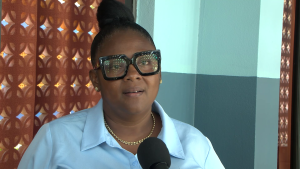
Ganesha Smith
Ganesha Smith, Acting Director, Community Rehabilitation Department
“We know the social media platforms, Instagram, Facebook, TikTok, and we see how there are oftentimes some real horrible conversations, derogatory words flying across to each other. And those are being sensationalized sometimes by our journalists or media houses. And again, it has a lasting effect on our minors. What they do is that they would play these over and over and over, and then it becomes who they are at times, and they regress. So you would see more of them coming in conflict with the law, more of them reverting to negative behavior as opposed to saying, ‘Okay, this is not something that is being, I don’t know, sensationalized or entertained’, but one that needs to be corrected from the public. So the presentation this morning to the media journalists was looking at safeguarding our children’s information. One of the things that has oftentimes come up is that our minors are publicized, whether it is on the side of them being a victim of some form of child abuse, or minors who have come in conflict with the law or have displayed some sort of uncontrollable or behavioral issues. But the narrative oftentimes that is placed, about these persons are not one that is positive. And so the presentation this morning was geared towards changing that algorithm, changing the mindset of persons thinking that some of these victims put themselves in these positions. Some of these victims caused some of these incidents. Persons who come in conflict with the law are persons who are not respectful, persons who just want to be defiant, and that is not always the case.”
The message from today’s workshop was not that the media should stay silent when children are involved but remember that a digital footprint can follow a child long after the story has been forgotten by everyone.
Attention readers: This online newscast is a direct transcript of our evening television broadcast. When speakers use Kriol, we have carefully rendered their words using a standard spelling system.
Watch the full newscast here: