


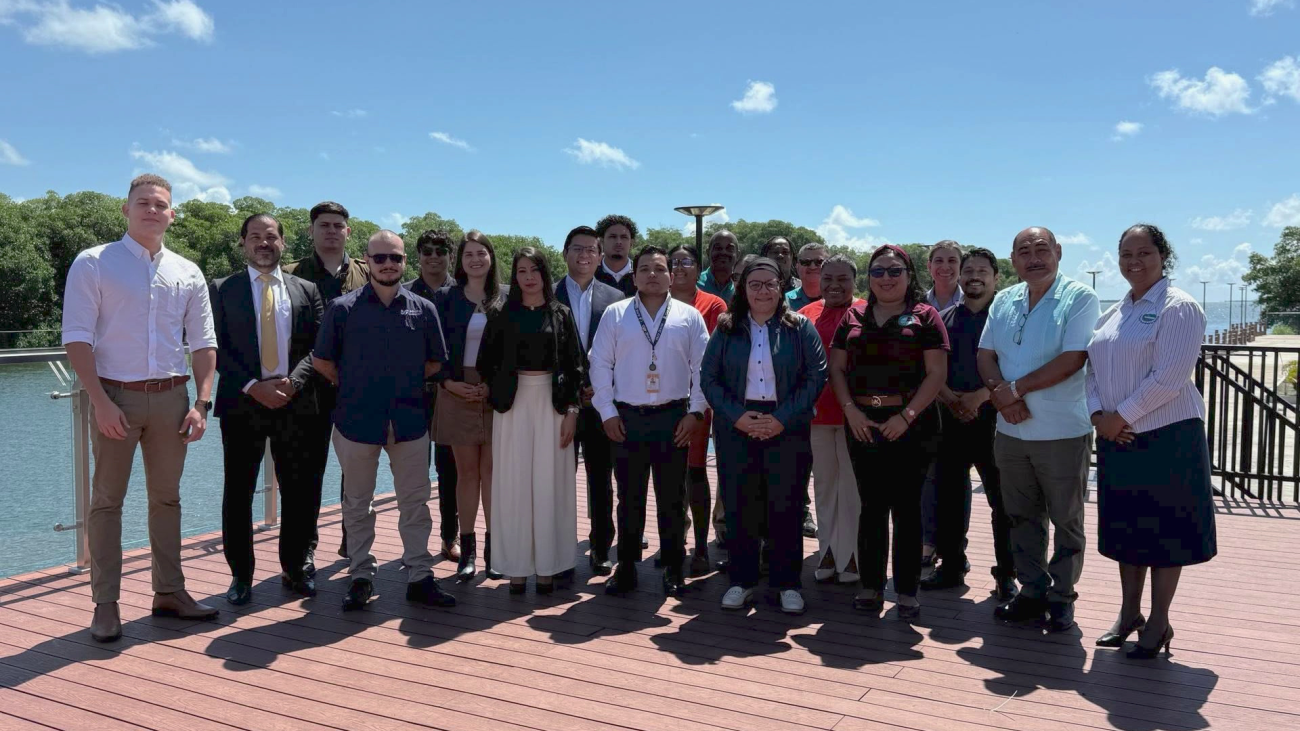
Climate Forum Wraps with Warning of Less Rain
After three days of crunching climate data, the regional Climate and Hydrological Forum wrapped up today in Belize City. The big question on the table: what kind of rains are coming between May and July? With unusual showers already seen in April, experts say La Niña is fading and El Niño is taking hold. A shift that could mean drier conditions and less rainfall across Belize and Central America. Minister of Sustainable Development Orlando Habet says that change makes this year’s forecast especially important, as new technologies and shared data are helping countries prepare for what lies ahead.
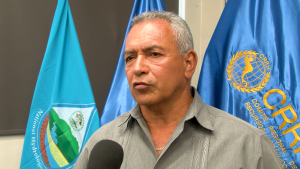
Orlando Habet
Orlando Habet, Minister of Sustainable Development
“The finalization or closing of the session for the outlook for Climate and Hydrology, which is very important. And my understanding is that it’s happening for many years. And it is rotated amongst the different countries in Central America. And what they do is they share information, but they also share experiences amongst all the countries so that they can have a broad and very good idea, especially with incoming new technologies, to be able to do the forecasting of events, whether it’s climate or hydrology or water. And so the presentations in the end are showing us that in this year we’ll have the phenomenon of El Nino slowly taking over the past phenomenon of La Nina. And we saw some rains even up to early April, which was, for many of us, was something that we haven’t seen for some time. So it’s very important because this information is shared, especially for early warning systems in case there’s going to be a hurricane so that people can start preparing very early in the year. But very important for the agriculture community because they want to know when it is the best time to prepare their lands, when it is the best time to do their planting, so that then we can have food security for our people. So very, very important.”
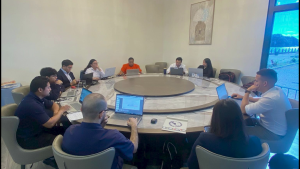 Rainfall Outlook Raises Caution for Upcoming Planting Season
For Belize’s farmers, the rainfall outlook isn’t just numbers on a chart; it’s the difference between a good harvest and a failed crop. With experts now predicting below‑normal rains for May through July, the Ministry of Agriculture says accurate forecasts are critical to guide planting and harvesting decisions. Director of Extension Andrew Mejia explains why the forecast matters so much for farmers on the ground.
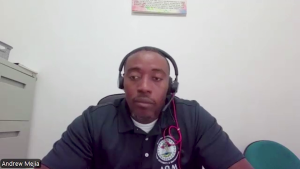
Andrew Mejia
Andrew Mejia, Director of Extension, Ministry of Agriculture
“Accurate forecast is super important for us because it allows us to tell the farmers, you know what, it’s a good time to plant, or if it’s not a good time to plant, or if it’s a good time to harvest, or it’s not a very good time to harvest. So we use it as a guide, to ensure that our farmers are able to sustain their livelihood. Right now it’s looking like we’ll be having below normal rainfall for the months of May, June, and July. And these are forecasts that we use to guide our farmers because normally around this time farmers are preparing the land to plant as the first rain would come, or in the month of June specifically. So what the forecast is looking at, you know, we’re a bit cautious. Because when farmers went ahead and plant and there was a drought that followed immediately after that. If there’s a possibility for the El Nino this year, we want to make sure that we are prepared and our farmers are prepared. In light of that, currently the ministry is partnering with the World Food Program and the National Meteorological Service of Belize to provide farmers with assistance in a project called “Anticipatory Action.” This is specifically in preparation for drought, which we’re expecting during those months. That’s coming. At the ministry we work closely with the National Meteorological Service of Belize. We have a great relationship with them, and we have noticed that over the years their accuracy has been improving. We continue to commend them on that. The three-month forecast, we tend to believe them and we want to ensure that they’re giving us the right information because that is the information we take to our farmers.”
So while the forecast points to drier months ahead, the takeaway for farmers is clear: wait, watch, and plan carefully.
Attention readers: This online newscast is a direct transcript of our evening television broadcast. When speakers use Kriol, we have carefully rendered their words using a standard spelling system.
Watch the full newscast here: