



Cuba resiste presión estadounidense creciente
Cuba continúa enfrentando una presión cada vez mayor por parte de Estados Unidos, en medio de una severa escasez de combustible provocada por medidas que bloquean el suministro de petróleo, incluido el proveniente de Venezuela. Las acciones han incrementado los costos de alimentos y transporte, además de generar prolongados apagones. Las Naciones Unidas han advertido que la isla podría enfrentar una crisis humanitaria si no se garantizan sus necesidades energéticas.
Canadá anunció que planea enviar ayuda a Cuba, siguiendo pasos similares adoptados por México. En Belize, el ex ministro de Relaciones Exteriores, Assad Shoman, ha instado al gobierno a hacer lo mismo.
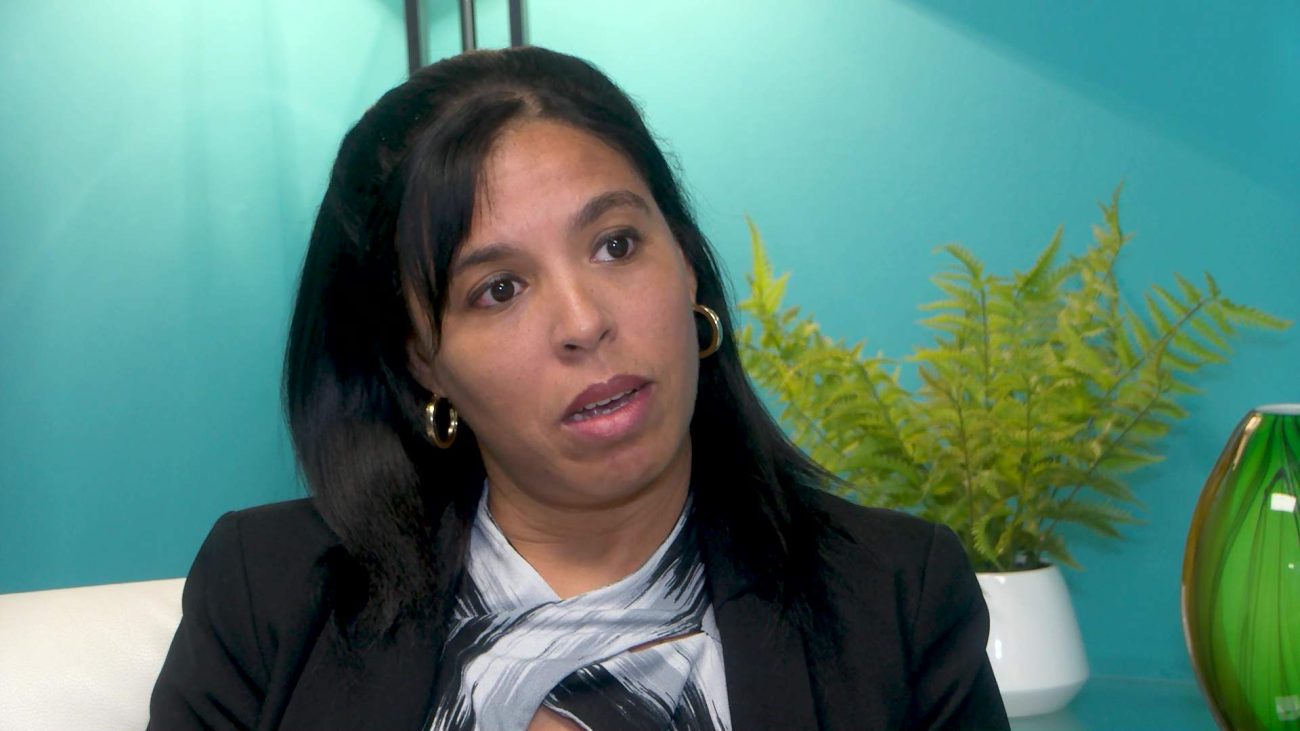
Esta noche, la embajadora de Cuba en Belize, Yahima Martínez Millán, aseguró que, aunque la presión se ha intensificado, el país no está paralizado. Expresó: “As the world is seeing, Cuba is facing right a very complex period caused by the intensification of the US blockade. However, the country is not paralyzed. We are implementing some measures in order to guarantee the continuity of the country and to maintain the basic services to our population”.
Agregó que se están protegiendo a los sectores más vulnerables y distribuyendo los recursos con equidad. “Cuba’s response remains the same during more than sixty years. Our response is independence, dignity and sovereignty. Washinton’s increase measures are an attempt to economy suffocation”. También afirmó que Cuba no negocia bajo presión. “Cuba does not negotiate under pressure and threats. The world knows that. Our diplomacy is one of peace and also cooperation”.
Ante reportes de que los apagones han afectado hospitales y servicios públicos, la embajadora reconoció el impacto, pero subrayó que la prioridad es mantener salud y educación. “Despite fuel limitation the Cuban priority is to maintain the service of health, and education and other important services. An energy saving protocol has been adopted in order to guarantee that this basic and important service could be maintain”.
Sobre señalamientos de fragilidad política, respondió: “There is an international opinion that Cuba will collapse. There is no reason to think that. We are facing a very complex economic moment caused by the measures and the blockade from the US against Cuba and there is no fragility and there is no political reasons in that”.
En el contexto de la reunión de líderes de CARICOM en San Cristóbal y Nieves, Martínez reafirmó los lazos históricos con la región. “Our relationship with CARICOM and also with Belize is historic. While other see the region as a political, Cuba sees it as home”. Destacó además el apoyo del bloque caribeño en la denuncia del embargo.
En cuanto a soluciones estructurales, indicó que la prioridad es la soberanía energética. “We know that the solution lies in energy sovereignty. We are accelerating all the propose in order to get the transition to renewal energy source”. Reconoció que se trata de tecnología costosa y difícil de implementar bajo el bloqueo, pero aseguró que es una prioridad nacional.
Finalmente, confirmó que Cuba continúa diversificando sus relaciones económicas. “For many years, Cuba has worked in order to diversify our relations. We are strengthening ties with the BRICS bloc for example. And also we are working with partners in Asia, Europe and Latin America”. Añadió que el país también está actualizando su modelo económico para incluir una mayor participación de actores no estatales.
Shoman: EE.UU. amenaza a Cuba
Cuba enfrenta una crisis creciente y, según el presidente de Estados Unidos, Donald Trump, el gobierno cubano está fallando. Esto ocurre tras un aumento de la presión por parte de la administración estadounidense. Después de la captura del presidente venezolano Nicolás Maduro en enero, Trump declaró una emergencia nacional y calificó al gobierno cubano como una “amenaza inusual y extraordinaria”, acusándolo de albergar espías rusos y de dar la bienvenida a grupos como Hamas y Hezbollah.
Las sanciones estadounidenses han bloqueado envíos de petróleo hacia la isla, agravando la escasez energética. A inicios de este mes, el primer ministro John Briceño expresó la solidaridad total de Belize con el pueblo cubano y advirtió que la reducción del suministro de petróleo podría provocar un desastre humanitario fabricado.
El ex ministro de Relaciones Exteriores, Assad Shoman, respaldó esa postura y fue más allá. Aseguró que si la estrategia de Estados Unidos tiene éxito, personas en Cuba morirán. Dijo: “The whole purpose of their threat against Cuba, their sanctions, so called sanctions. It is not an sanction. It is an evil act that is done to people because you are sanctioned because you did something wrong. No, they have not done anything wrong”.
Añadió que Cuba está siendo castigada “unduly, irrational and illegally” y afirmó que el objetivo es provocar sufrimiento para forzar un cambio de gobierno. “All of that is done in order to make the people suffer so much that they will overthrow the government. So the purpose the clearly to make the people suffer but they want them to suffer that they will overthrow the government. That’s terrorism. Absolutely, under any kind of definition”.
Shoman sostuvo que esta política ha sido condenada repetidamente por las Naciones Unidas. “That is a policy that has been condemned by the United Nations over thirty times in the last few years”. También calificó las nuevas medidas como una amenaza directa. “This additional thing which amounts to a death threat, Hipolito. That is what the United States is doing now. It has issued a death threat against Cuba, against the people of Cuba. That is a death threat. If that succeeds, and obviously they want it to succeed people in Cuba will die”.
Consultado sobre si Trump tiene razón al considerar a Cuba una amenaza, respondió: “He is absolutely wrong. There is no question about that or that Cuba is a terrorist state or anything like that. These are things that are made up”. Citó además a expertos de la ONU que el doce de febrero señalaron que describir a Cuba como una amenaza extraordinaria carece de credibilidad y parece diseñado para justificar poderes coercitivos.
En cuanto a la región, Trump advirtió que impondrá fuertes aranceles a los países que continúen enviando petróleo a Cuba. México ya detuvo sus envíos, aunque ha enviado ayuda humanitaria, y Canadá analiza hacer lo mismo. Shoman criticó el silencio de varios líderes caribeños y cuestionó que se invite al Secretario de Estado estadounidense a la reunión número cincuenta de Jefes de Gobierno de CARICOM.
“ They have no right to do this. This is illegal. It has been condemned by the United Nations”, afirmó. También destacó que tanto el primer ministro Briceño como la líder de la oposición Tracy Panton han condenado la situación.
Sobre si Belize debería enviar ayuda, fue enfático: “Absolutely, I am hoping against hope”. Añadió que, aunque no espera una condena formal de CARICOM por temor a represalias, al menos deberían enviar asistencia humanitaria. “People are dying. People are suffering. People who are our brothers and sisters. They are part of our region”.
Shoman aclaró que sus declaraciones las hace como ciudadano privado y no como representante del gobierno de Belize.
Facebook Comments