


Five Hundred Dollars for a Wildlife Crime? Belize’s Outdated 1981 Fines
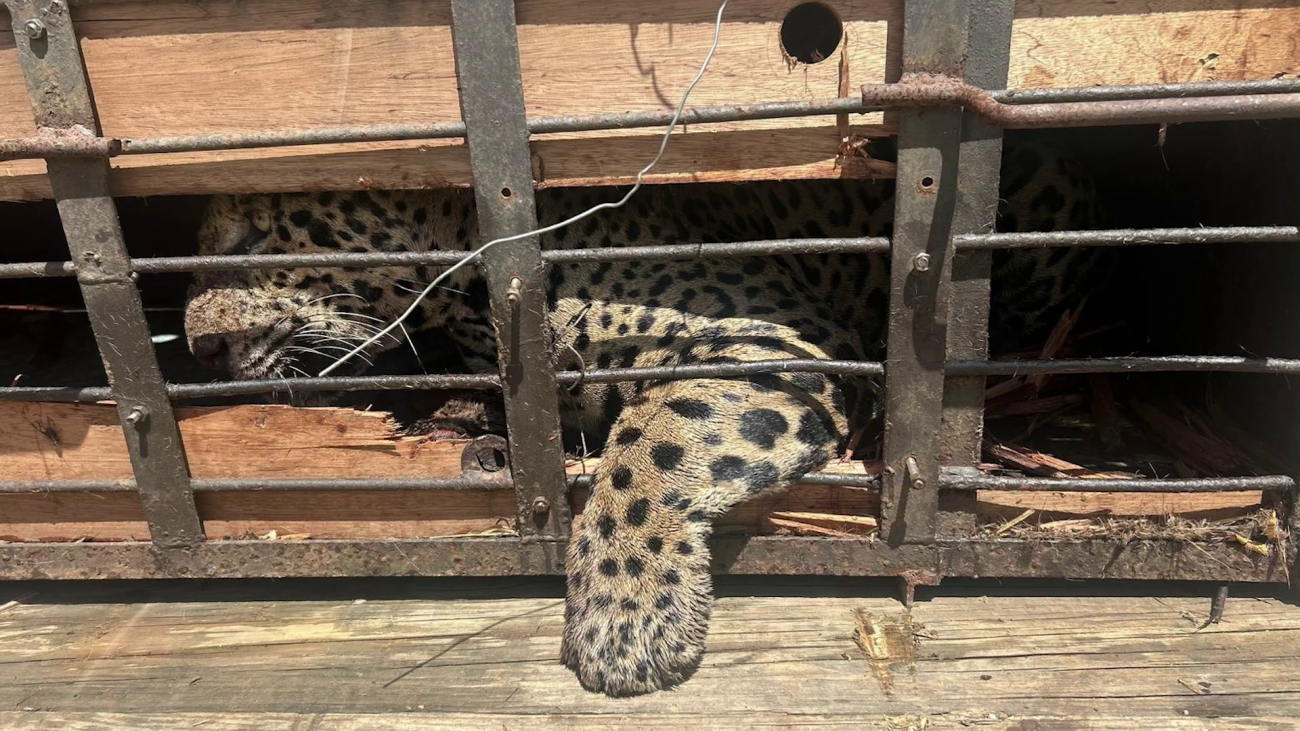
Imagine breaking the law and only paying five hundred dollars for it. For wildlife crimes in Belize, that is the penalty on the books, and it has not changed since 1981. Two recent cases, one involving a jaguar cub and another involving illegal possession of wildlife, have people asking whether that fine stops anyone. Tonight, we look at why a bill with much tougher penalties is still waiting in the National Assembly.
 Paul Lopez, Reporting
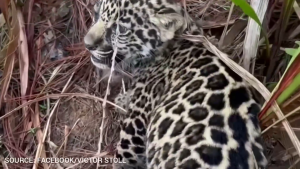
Two names keep coming up in this debate. Ruben Stoll went before the courts months ago over a jaguar cub, a case that sparked public outrage. Now Jose Samoyoa has been charged with unlawfully possessing wildlife. Conservation groups welcomed both prosecutions, but they are asking a tougher question: do the fines actually keep people from doing it again? We put that question to the Belize Zoo’s Managing Director, Doctor Celso Poot.

Celso Poot
Dr. Celso Poot, Managing Director, Belize Zoo
“That has always been one of the considering point, factors when these consultations happen to amend the wildlife laws of Belize. It is that the penalties are too low, but we have to remember that these penalties are in place since the Wildlife Protection Act was enacted in 1981, so back in 1981 maybe five hundred dollars was a high fine. Today, that is no longer relevant to the wildlife offenses being committed.”
 The numbers show the gap. A fine that once felt steep now barely registers next to the damage done to Belize’s wildlife and biodiversity. Some say that when the penalty is this small, offenders treat it as a cost of doing business. Forest Officer Victoria Chi says the Forestry Department wants to change that.

Victoria Chi
Victoria Chi, Forest Officer, Forestry Department
“That is one of the reasons why we have done the draft revision to the new legislation which is the Wildlife Conservation and Management Bill. That has been read in the House, has gone through the first reading. It is pending the second and third reading so it can be enacted into law. So in that bill that we are proposing, the fines will be a bit higher. For example, possession would be twenty-five thousand dollars, as opposed to the five hundred dollars he is going to face right now under the old legislation that has been in place since 1981.”
Doctor Poot says stiffer penalties would bring Belize’s laws up to date and give would-be offenders a real reason to think twice about possessing, trafficking or mistreating wildlife.
 Dr. Celso Poot
“Most of us in the conservation field in Belize are awaiting the passage the new Wildlife Conservation and Management Bill, because this new bill will bring Belize’s wildlife laws more current. Because, it does increase the penalties for wildlife offenses, significantly. We welcome the increase and we are looking forward to the passing of the bill.”
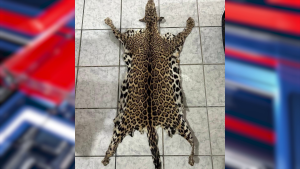 But the fix is not law yet. The bill has only had its first reading, and it is now going through consultation. Until lawmakers pass it, enforcement agencies are stuck with the old act and its small fines. Back in early October, Minister of Sustainable Development Orlando Habet said the change is overdue.
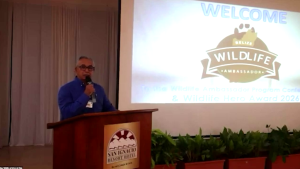
Orlando Habet
Orlando Habet, Minister of Sustainable Development
“Yesterday we had the meeting of the National Assembly and I introduced to the House a new piece of legislation which is the repeal of the old wildlife act and the introduction of the new complete act, cause the old act is really old and we need to amend it. Complaints have come from the public especially when certain crimes are committed against wildlife that the fines we impose are too minimal, so we do it again and again and again.”
So for now, cases like Stoll’s and Samoyoa’s keep the pressure on. The question for lawmakers is simple: does the punishment fit the crime, or is it time to give Belize’s most treasured species stronger protection? Paul Lopez for News Five.
Attention readers: This online newscast is a direct transcript of our evening television broadcast. When speakers use Kriol, we have carefully rendered their words using a standard spelling system.
Watch the full newscast here: