




Fraud Wave Hits Belizean Businesses as Legal Loopholes Shield Scammers
Belizean businesses are losing thousands of dollars to a wave of credit card fraud. And what’s even more troubling? Many say they’re powerless to stop it. A News Five investigation has found major loopholes in Belize’s laws, gaps that scammers are taking full advantage of, leaving hardworking business owners to shoulder the losses, while the fraudsters often slip away without consequence. Now, with more companies stepping forward, the call for urgent legal reform is growing louder. News Five’s Paul Lopez has the story.
 Paul Lopez, Reporting
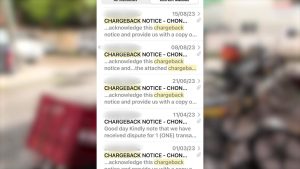
News Five has been digging into a sophisticated scam targeting Belizean businesses, and what we’ve uncovered is alarming, major gaps in our laws that leave companies wide open and scammers with plenty of room to operate.
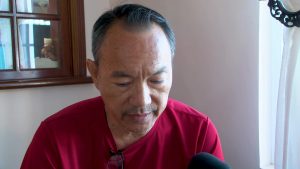
Lee Mark Chang
Lee Mark Chang, Owner, Chon Saan Palace (File: January 14th, 2026)

“I have made numerous statement and reports to the police department over the years and their hands are pretty much tied. Our local laws does not have enough teeth to prosecute these instances.”
L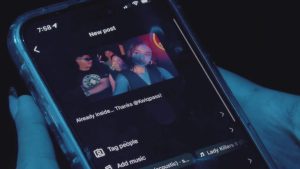 ee Mark Chang, the owner of Chon Saan Palace, was the first to speak out after years of his restaurant’s app being hit by scammers, costing him thousands of dollars. And now, he’s not alone. Two more businesses have stepped forward: the popular ticketing platform KwiqPass, and the water taxi company Caribbean Sprinters. Both say they’ve been targeted, too, and they’ve already gotten law enforcement involved.

Delroy Fairweather
Delroy Fairweather, Public Relations Manager, KwiqPass
“Part of this is that the card holder has to be the one to make that complaint and once they make that complaint then the police can pursue further actions in terms of money laundering, obtaining property by deception. There is a slew of charges, even the FIU could get involved.”
 Public Relations Manager Delroy Fairweather says police can’t do much unless the actual cardholder files a report here in Belize. But in most cases, those cardholders never bother; their banks simply reimburse the money. That leaves Belizean businesses footing the bill for the fraud, often losing significant amounts with little chance of recovery. Scammers, like the former BPO agent we spoke with anonymously, are aware of this reality. They often target the most vulnerable, the elderly.
 Voice of: Former BPO Employee
“American people, I don’t know what to say, they are always online looking for some free things, that is why they get scammed. They are always looking for anything free that is being given away, any commercial, anything, they click on that, register, sign up their information and people call them off a number that has nothing to do with what they register for and get their information from them.”
 Back in 2007 to 2009, Jamaica was hit hard by telemarketing and credit‑card scams. Just like Belize today, police couldn’t do much because the laws simply weren’t there. Scammers were getting personal information from call centers and data brokers, then using these “lead lists” to call people and tell them they’d won huge prizes, but only if they paid a fee up front. Hundreds of thousands fell for it, and the lists became so valuable that gangs even fought over them. Jamaica eventually cracked down. The government and the BPO sector pushed through tough new laws: possessing lead lists became a serious crime, using stolen credit card info carried heavy penalties, up to twenty-five years in prison, and authorities could seize assets linked to fraud. These are the kinds of reforms businessman Lee Mark Chang says Belize needs now.
 Lee Mark Chang
“And I am advocating that the government change these laws to make sure they put stiffer penalties for people who commit fraud. It is not too late now. It can be done as soon as possible, and we need to stop people stealing credit card information. It is only going to hurt our local economy.”
 It’s worth noting that Chang also sits in the legislature, giving him a direct voice in pushing for the very reforms he’s calling for. And with News Five’s investigation exposing just how much these scams are costing Belizean businesses, Prime Minister John Briceño says he’s already looking at legal reforms, beginning with tougher penalties for offenders.
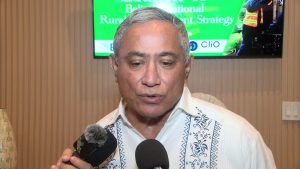
Prime Minister John Briceño
Prime Minister John Briceño
“They are the one that will have to take steps. They have the information. They have to go to the police and make a formal case. From our end we have to ensure that the police does everything possible to go after these people and charge them as much as we possibly can and if we have to consider increasing the penalties, we are prepared to do so.”
While the government says it’s open to strengthening the laws, affected businesses warn that time isn’t on their side. For now, they’re forced to pour major resources into boosting their cybersecurity just to keep scammers at bay. Reporting for News Five, I am Paul Lopez.
Facebook Comments