



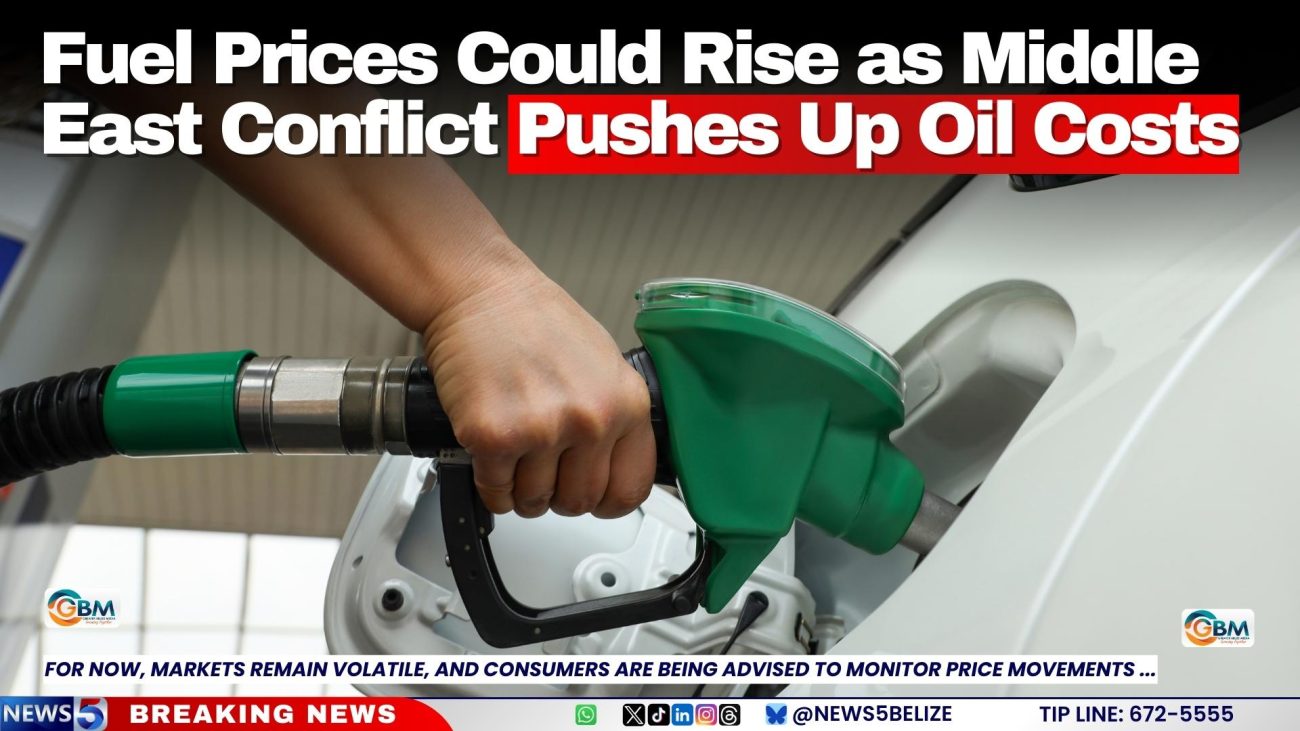
Fuel Prices Could Rise as Middle East Conflict Pushes Up Oil Costs
Petrol and diesel prices could increase in the coming weeks as global oil markets react to the escalating conflict involving Iran.
Crude oil prices jumped sharply after tensions in the Middle East intensified, raising concerns about potential disruptions to shipments through the Strait of Hormuz, a narrow channel off Iran’s southern coast through which roughly 20 percent of the world’s oil supply passes. Any sustained disruption in that corridor could significantly tighten global supply.
Analysts say higher crude prices typically translate into increased costs at the pump within days or weeks, as fuel importers and distributors adjust to rising wholesale prices.
In the United States and Europe, gasoline prices have already begun edging upward. Industry analysts warn that if oil prices remain elevated, particularly in the $80 to $100 per barrel range, motorists could see more noticeable increases.
Diesel prices are also climbing, which could have broader economic effects. Higher diesel costs often raise transportation expenses for goods, potentially pushing up food prices and contributing to inflation.

However, energy experts caution that much depends on the duration and scale of the conflict. If tensions ease quickly and shipping routes remain open, price increases may be temporary. If the situation escalates or oil infrastructure in the region is targeted, fuel prices could rise more sharply.
For now, markets remain volatile, and consumers are being advised to monitor price movements in the days ahead.
Facebook Comments