



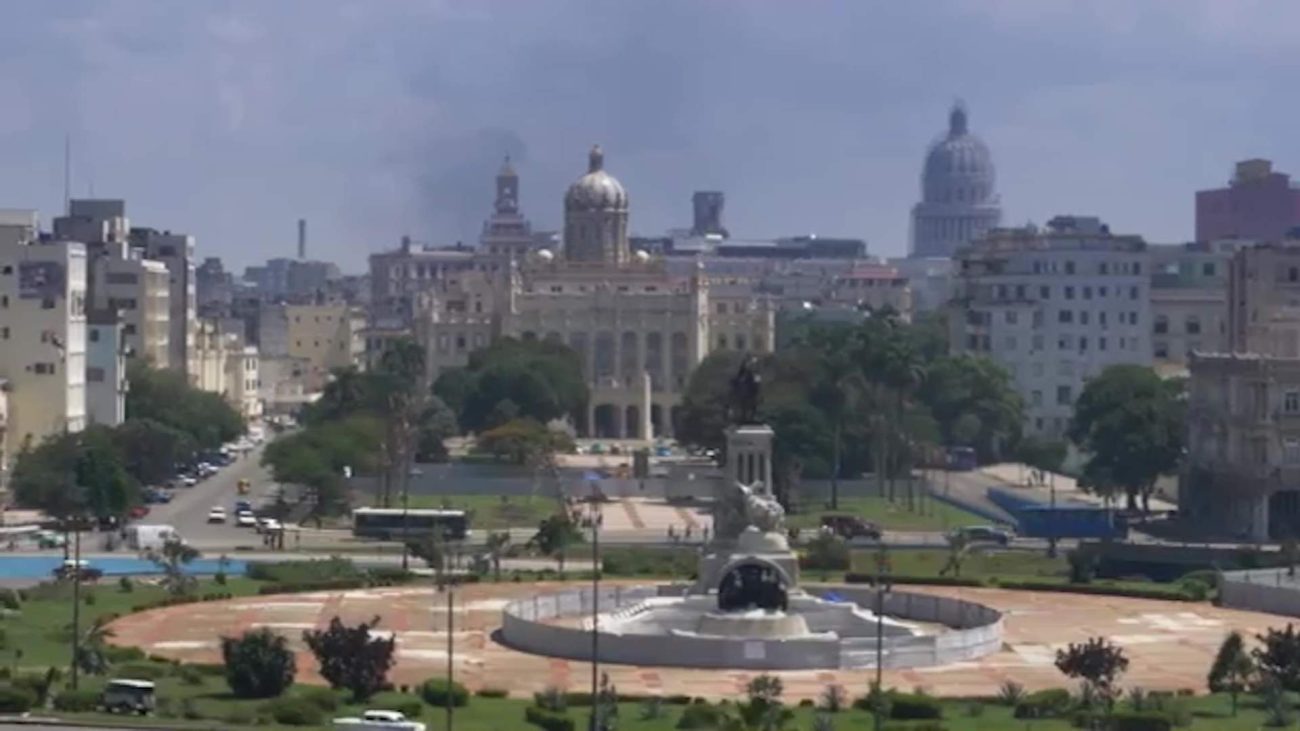
Fuel Shortages, Blackouts: Belizean Students Struggle in Cuba
Belizean medical students in Cuba are facing growing uncertainty tonight. The island nation is battling severe fuel shortages, rolling blackouts, and major disruptions to basic services, and that turmoil is making daily life increasingly difficult for students studying abroad. Communication has become unreliable, and families here at home are feeling the strain as they struggle to stay connected with their loved ones. Shane Williams has more.
 Shane Williams, Reporting
Cuba has long been a top destination for Belizeans studying medicine, but the country is now facing one of its worst crises in years. After the U.S. cut off its main oil supply, fuel shortages triggered long, unpredictable blackouts. Cuba is producing only about half the electricity it needs. Belizean students there are used to tough living conditions, but this situation has families back home on edge. One Belizean father told News Five he hasn’t heard from his son since yesterday.
Amilcar Umana
Amilcar Umana, Father of Medical Student
“Fortunately we have not had issues until maybe yesterday evening. Prior to that we were able to communicate with him, but since last night, it seems that there has been no communication.”
Shane Williams
“I know students who go there are already prepared to, to face more hardships than they face here at home. But has he been saying that things have been even more difficult than usual?”
 Amilcar Umana
“Oh yeah. He has always been indicating that to us that things are harder. More power outages, more water interruption and more frequent and more lengthy. And so yeah, he has expressed that – very much concern as to exactly what will be the future of the island, and of course the future of their studies. We are very much concerned, yes. Some level of anxiety, my wife is actually the one that worries a lot more. I tend to not worry too much. I tell her that we’ll just have to wait and see how things will evolve. I am pretty sure that our government here will do what is necessary to ensure well, they are safely or they are repatriation if it’s necessary, and see what steps need to be taken thereafter.”
These blackouts don’t just mean a few hours without lights. They disrupt almost every part of daily life, water pumps stop working, food and medicine can’t stay refrigerated, transportation slows, and, critically for students, the telecom networks they rely on for classes and for staying in touch with family become unreliable.
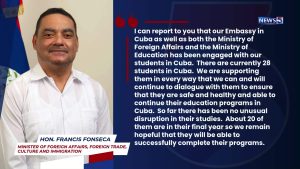 “Our Embassy in Cuba as well as both the Ministry of Foreign Affairs and the Ministry of Education has been engaged with our students in Cuba. There are currently twenty-eight students in Cuba. We are supporting them in every way that we can and will continue to dialogue with them to ensure that they are safe and healthy and able to continue their education programs in Cuba. So far there has been no unusual disruption in their studies. About twenty of them are in their final year so we remain hopeful that they will be able to successfully complete their programs.”
So far, there’s been no official interruption to classes, and Belize’s Ministry of Foreign Affairs says it’s staying in close contact with our students in Cuba. But for many families here at home, that offers only limited comfort. The ongoing crisis on the island keeps them awake at night, worried about the safety and wellbeing of the loved ones they can’t always reach.
Amilcar Umana
“I haven’t had a discussion with my wife today whether she was able to reach him. So I know we had communicated with him yesterday during the day, but she told me that a message she had sent at night was not a scene and not responded to. So I’ll have to look into that. I am pretty sure our foreign minister and the Ministry of Education will do whatever is necessary to either bring them whenever the time is necessary to do that, and thereafter, I’m sure they’ll take the necessary steps to see whether they need to wait and go back or whether some other alternative is worked out for them to actually complete their studies. Because they have invested years of work already. In fact, my son is part of the last batch that went to Cuba, so there’s no batch after them. So you can say that everybody has at least four years and a half that they have been in Cuba state. And so we won’t want that to go to waste.”
Shane Williams for News Five.
Facebook Comments