


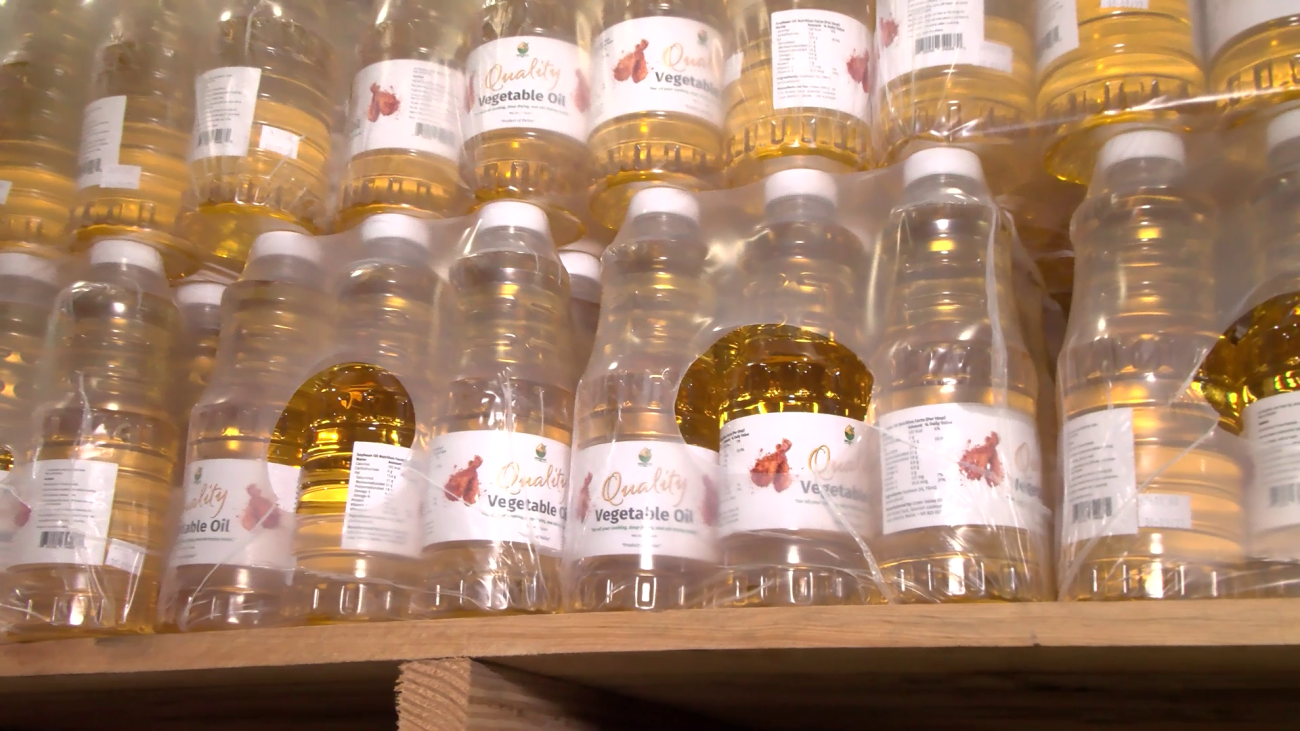
Government Moves to Shield Homegrown Cooking Oil
Belize’s new cooking oil could eventually push imported brands higher. Agriculture Minister Rodwell Ferguson says once Green Valley Oil can meet national demand, he will ask Cabinet to raise import tariffs to protect local farmers. That could make brands such as 1-2-3 more expensive, even as families struggle with the cost of living. Green Valley cannot yet supply the entire country, but as production grows, consumers may have to weigh supporting local against paying more at the checkout. Shane Williams reports.
 Shane Williams, Reporting
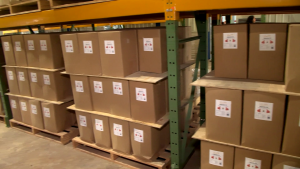
Green Valley Oil’s fifteen-million-dollar refinery opened with promises of greater opportunities for Belizean farmers and another homegrown product for local kitchens. But amid the celebration came a proposal that could eventually leave consumers paying more for the imported cooking oils they already buy. Agriculture Minister Rodwell Ferguson says that once Green Valley can produce enough oil to satisfy the entire Belizean market, he will lobby Cabinet to increase tariffs on imported brands. The idea is to make locally produced oil more competitive while creating a stronger market for Belizean soybean farmers.

Rodwell Ferguson
Rodwell Ferguson, Minister of New Growth Industries
“I want to promise you guys that as soon as you can satisfy the entire Belize market, then myself and my advisor and the Minister of Agriculture and the Chief Agriculture, we are going to ask Cabinet to increase the tariff on imported oils. So if you want to consume imported oils, then the price will be higher than our locally produced stuff. Because we must here to cater for our Belizean farmers.”
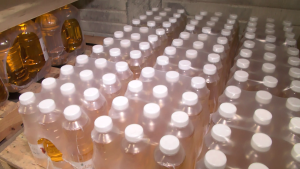 That plan could eventually make imported brands like 123 cooking oil more expensive. Higher tariffs would protect local producers, but they could also limit cheaper choices as families struggle with rising grocery bills. Any increase, however, remains some time away. Green Valley Oil Manager Daniel Braun says the company cannot yet replace imports and will need time to win over consumers and reach full production.
Daniel Braun
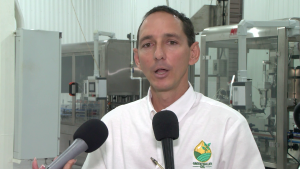
Daniel Braun, Manager, Green Valley Oil
“At this time, we don’t see that we will be able to supply the Belizean market by one hundred percent, which will eventually and will for sure take a while so that customers get used to using this better oil. And, and but then, uh, with time, we’ll catch up being full capacity, and the plant is ready and prepared to add a couple of more pieces of equipment to increase capacity so that we can handle the entire country of Belize when it comes to vegetable oil and soybean oil.”
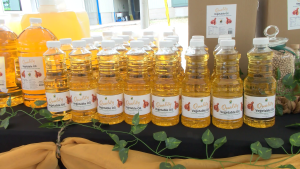 But Green Valley is not limiting its ambitions to Belize. Braun says several countries have already expressed interest in buying the company’s refined vegetable oil. That potential export market could help Green Valley recover its multimillion-dollar investment, but it could also create competition for a product that the company says it eventually wants to supply nationwide.
Daniel Braun
“We can also go for export. We already have a list of countries having contacted us for refined vegetable oil.”
Green Valley now faces the challenge of building consumer confidence, increasing production and recovering its fifteen-million-dollar investment. Government, meanwhile, must decide how far it is willing to go to protect the local producer. Supporting Belizean farmers and reducing the country’s dependence on imports may deliver long-term benefits. But for consumers already counting every dollar, the immediate concern is much simpler: will protecting local cooking oil make the imported bottle on the shelf more expensive? Shane Williams for News Five.
Attention readers: This online newscast is a direct transcript of our evening television broadcast. When speakers use Kriol, we have carefully rendered their words using a standard spelling system.
Watch the full newscast here: