


Henry Charles Stands by Administrative Leave for Immigration Officers
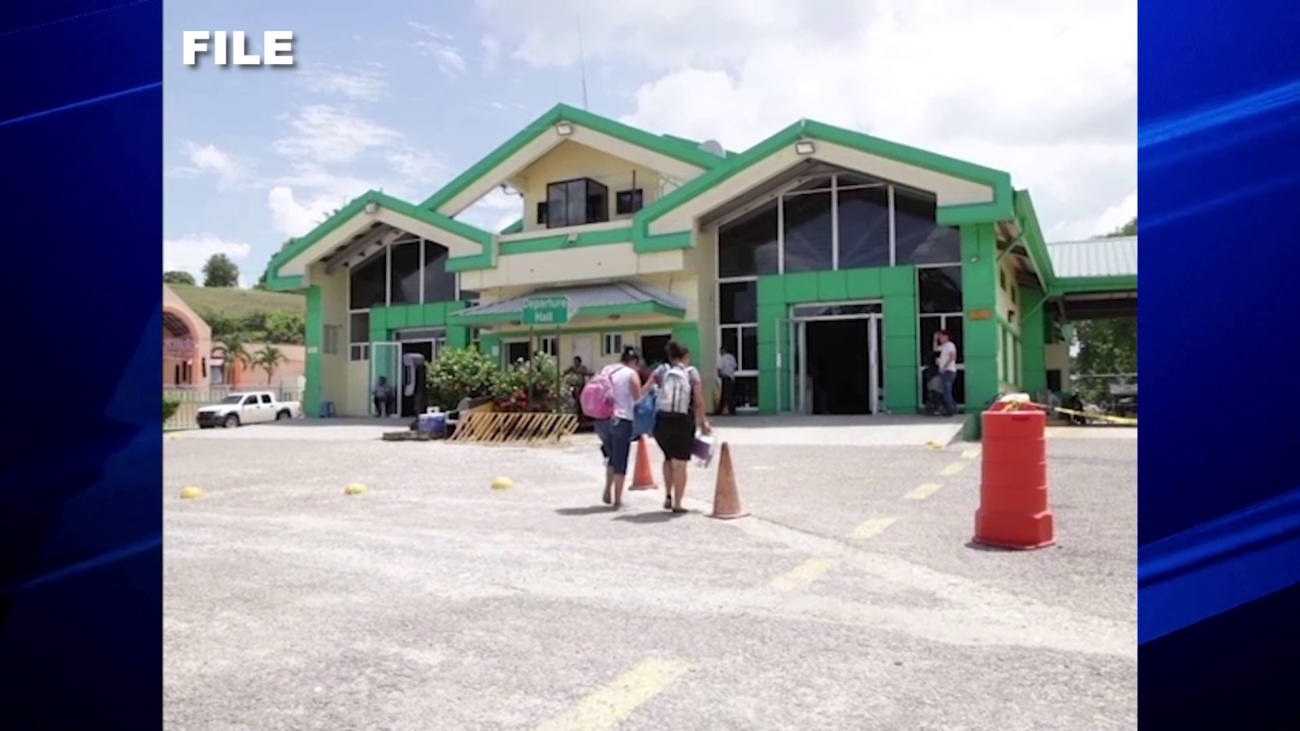
An immigration officer placed on leave after Easter weekend’s sickout is now weighing legal action. Attorney Norman Rodriguez says the move damaged his client’s reputation. Government isn’t budging. Today, Public Service Minister Henry Charles Usher pushed back, saying administrative leave is standard procedure during internal investigations, not punishment.

Henry Charles Usher
Henry Charles Usher, Minister of Public Service & Disaster Risk Management
“I wouldn’t be able to comment on the specifics of that particular case, but I always say if there’s a dispute and you want somebody to represent you, that’s your right. So I don’t have any issue with that.”
Shane Williams
“Was it a bad decision to go to administrative leave for individuals who presented medical certificates?”
Henry Charles Usher
“I think that it’s part of the procedures when there, whenever there’s a dispute, whenever there’s a grievance, that is part of the procedure. And the Ministry of Immigration or whichever ministry has that opportunity under the regulations to carry out internal investigations. When you’re carrying out those internal investigations, if you feel that it would be hampered if the persons are there, then you put them on administrative leave. It doesn’t mean that they’re not paid. They are paid when they go on administrative leave. And so that is part of the regulations. As I explained the last time, if the dispute or the grievance is not able to be resolved at that level, then it’s elevated to the Ministry of Public Service. Where there are further procedures that must be followed, including due process. Whenever there’s an investigation, the person or persons being investigated have to be given the opportunity to respond. That’s part of the due process requirements. And then from there, if, again, if it can’t be resolved, then it goes higher, maybe to the Public Service Commission.”
Attention readers: This online newscast is a direct transcript of our evening television broadcast. When speakers use Kriol, we have carefully rendered their words using a standard spelling system.
Watch the full newscast here: